Placebo Effect in Supplements: When Absorption Makes Visible Differences
Traditional supplements promise results, yet there is evidence that suggests superficial improvements, which are often negligible. It is a common phenomenon which suggests lower absorption rates, even with appropriate dosages and regular use. Recent data show that delivery format shapes blood exposure and distinguishes actual uptake from expectations. Liposomal formulations show higher measurable levels of select nutrients than standard forms. In this blog, you learn how the placebo effect in supplements differs from proven absorption.
Also read: All You Need to Know About WBCIL’s Liposomal CoQ10.
Key Takeaways:
- Perceived benefit appears with minimum blood exposure, which supports the placebo effect in supplements.
- Clinical data suggest that liposomal formulations enhance nutrient intake more than standard formulations.
- It is important to assess pharmacokinetic data and supplier capabilities to select delivery formats that demonstrate real uptake.

Placebo Effects in Supplements: Why Perception Often Wins
The placebo effect in supplements often affects how you feel symptoms, even when there is no underlying change in the condition itself.
- The placebo effect occurs when a person reports benefit from a treatment that lacks an active therapeutic ingredient, often through a link between the brain and the body.
- It is more than just a positive thought; there are fundamental changes in brain chemistry that influence the perception of symptoms like pain or fatigue.
- Placebos do not alter core measures such as tumour size or cholesterol levels, but can change how you sense pain or stress.
- Clinical trials use placebos to test whether a real treatment works by comparing group responses to see whether the purported effect exceeds what might be expected from a placebo response.
- Sometimes the act of treatment itself, the test context, the care environment, and routine contribute to reported benefits, even with an inert substance.
When Low Absorption Mimics a Placebo Outcome?
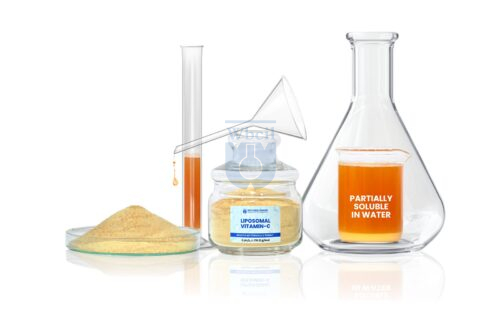
In a controlled human trial, a 500 mg dose of liposomal vitamin C produced about 27 % higher peak plasma levels than standard vitamin C, while the placebo group showed little change over 24 hours [1]. When blood levels remain near baseline, it often reflects the placebo effect in supplements.
Here are some key considerations to assess when lower absorption mimics placebo to understand high-bioavailability supplements.
- The trial compared placebo, standard vitamin C, and liposomal vitamin C after a single 500 mg oral dose, with blood analysis over 24 hours.
- Placebo intake in the study showed a negligible change in plasma and white blood cell vitamin C levels. The data show why low absorption often accounts for placebo outcomes.
- Standard vitamin C raised plasma levels, but the rise remained low due to renal clearance and intestinal saturation points.
- Liposomal vitamin C moreover have a higher AUC plasma levels and greater overall exposure, supporting the role of high-bioavailability supplements in measurable outcomes.
These findings show why clinically tested supplements, such as liposomal antioxidant supplements, help separate actual absorption from perception alone.
Now with a clear understanding of the placebo effect in supplements, let’s assess the relationship between pharmacokinetics (PK) and liposomal delivery systems in detail.
Liposomal Delivery System and Pharmacokinetics
In a randomised, double-blind trial, the pooled iAUC (incremental area under curve) was 2 to 3.5x higher with liposomal multinutrients against traditional non-liposomal products [2]. The pharmacokinetics gap helps you understand the uptake beyond the placebo effect in supplements.
To better understand this relationship, let’s explore the dynamics in detail with respect to the trial mentioned above:
Why Pharmacokinetics Matters for Supplement Results
Determinants Cmax, Tmax, and iAUC show how much of each nutrient is reached in the blood after oral intake. Higher exposure with liposomes supports a clear separation between real uptake and perception-only outcomes. Moreover, there are no serious adverse events and no clinically meaningful laboratory shifts that affect liposome efficacy.
What the Trial Compared
Comparing two liposomal multinutrient formulas (LMN-1 and LMN-2) with two composition-matched non-liposomal comparators (NLMN-1 and NLMN-2) helps understand the potency of liposomes [2]. Each participant received products across two periods, thereby reducing person-to-person bias in PK results. This design supports practical product comparison for a brand or buyer.
Which Nutrients Showed Higher Exposure
Pharmacokinetic parameters were analysed for vitamin B3, vitamin C, zinc, and iron. Vitamin C and zinc levels were higher for set post-dose windows (vitamin C from 1–8 h; zinc from 0–6 h), and iron was elevated at most time points after liposomal use [2]. These patterns support the role of a liposomal delivery system as advanced supplement delivery when blood exposure matters.
How to Use These Results as a Buyer?
Liposomal formulations are nowadays a hallmark of advanced nutrient delivery in functional foods, and pharmacokinetic data are an additional advantage for manufacturers. Factors such as nutrient-wise Cmax and iAUC outputs, plus time-window plots for key actives, can serve as a starting point for assessing liposomal supplements.

Liposomal Supplements Vs Placebo; Human Evidence
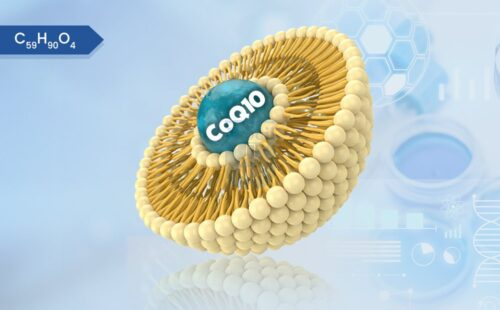
Human evidence shows that liposomal CoQ-10 raises blood CoQ-10 levels far more than placebo, which helps separate real uptake from the placebo effect in supplements.
Here are some of the differences you must know:
- Participants who received a placebo showed very low CoQ-10 levels throughout the test period.
- Standard CoQ-10 raised blood levels more than placebo, which confirms that absorption matters more than intake alone.
- Liposomal CoQ-10 reached about 31.3 % higher peak blood levels than the standard form at the same dose [3].
- Total CoQ-10 exposure over 24 hours was about 22.6 % higher with the liposomal form than with the standard product.
- Blood safety markers remained within acceptable limits across all groups, indicating excellent tolerance at the tested dose.
Why Choose WBCIL as Your Strategic Liposomal Partner?
WBCIL specialises in liposomal APIs, with WHO-GMP and ISO certified facilities and a strong portfolio of high-purity liposomal products for global nutraceutical, cosmetic, and pharmaceutical brands. The API-centric approach helps you address the placebo effect in supplements by selecting delivery formats that support measurable nutrient exposure rather than perception alone.
For brands that work with a liposomal supplement manufacturer, WBCIL serves as a dependable upstream partner, for compliant and scalable liposomal actives.
Final Thoughts
Evidences in the blog shows that perceived benefits often arise when absorption is low, rather than from actual physiological changes associated with the placebo effect in supplements. Insights from liposomal vitamin C, multinutrient, and CoQ-10 studies highlight that the liposomal delivery format influences total nutrient uptake, supporting an objective assessment beyond intake alone.
B2B decision-makers inclined towards liposomal development need an evaluation of pharmacokinetic data and supply reliability with an API-focused partner, such as WBCIL. It allows for appropriate assessment of liposomal actives with product intents and commercial values.

Liposomal supplements use tiny lipid layers that carry nutrients through the digestive tract and into the bloodstream. This structure helps protect the nutrient and supports better entry into circulation.
Liposomal vitamins have a higher blood levels than standard forms at the same dose. You may notice more consistent results because more of the nutrients reach your system.
The placebo effect in supplements can strongly influence how you feel, especially for symptoms such as pain or fatigue. It rarely changes blood markers or objective health measures.
You should look for changes in measurable markers such as blood levels or validated clinical outcomes. Products supported by human data provide more substantial evidence than personal perception alone.
Studies show excellent tolerance of liposomal forms, with critical biomarkers within acceptable limits.