How Liposomal Curcumin Supercharges Bioavailability and Nutraceutical Efficacy
Imagine curcumin as a bright golden warrior with extraordinary fighting abilities, developed from the roots of an herb called Curcuma longa (turmeric). Curcumin is known for its role as potent anti-inflammatory, antioxidant, and anticancer properties [1]. Unfortunately, like a strong fighter kept in a dark room without food, curcumin has a hard time getting into our bodies because it is poorly soluble in water, is quickly metabolised, and does not remain in the bloodstream for very long.
Liposomal encapsulation can serve as a secretory pathway to deliver curcumin into the bloodstream via the intestines, thereby achieving the maximum therapeutic effect. The purpose of this article is to show why liposomal curcumin is not a simple nutritional supplement but rather an exciting new category of nutraceutical, supported by research and the highest manufacturing standards of companies such as WBCIL. Ready to uncover how this lipid-wrapped powerhouse tackles metabolic syndrome, neurodegenerative diseases, osteoarthritis, cardiovascular disorders, and dermatological conditions [2]? Let’s journey through the science.
Key Takeaways:
- Enhanced Bioavailability Breakthrough: Liposomal curcumin overcomes the poor solubility and rapid metabolism of conventional curcumin, delivering 5-10 times greater absorption via phospholipid encapsulation, making it a game-changer for effective nutraceutical use at lower doses.
- Versatile Therapeutic Applications: From combating metabolic syndrome and osteoarthritis through oral supplementation to soothing psoriasis and accelerating wound healing topically, liposomal curcumin targets inflammation, oxidative stress, and chronic conditions with proven clinical efficacy in RCTs and human trials.
- Superior Manufacturing and Safety: Backed by WBCIL’s GMP-certified spray-drying technology and rigorous quality controls, liposomal curcumin ensures stability, minimal contamination, and reliable performance, paving the way for future precision wellness innovations in neurodegenerative and cardiovascular health.
The Hidden Barriers: Why Conventional Curcumin Falls Short
Historically, curcumin has been held in high regard by practitioners of traditional medicine who believed it could reduce inflammation, relieve oxidative stress and delay the development of cancer. But scientifically, researchers have found that the available evidence fails to support the use of curcumin in these areas, as it does not meet acceptable drug pharmacokinetics standards. After oral ingestion, this polyphenolic compound rapidly forms inactive conjugates, such as curcumin glucuronides and sulfates, via first-pass metabolism, yielding plasma levels too meagre for meaningful impact—even at doses as high as 12 g/day [3].
Visualise an excellent solution added to a broken bottle (and thus leaking); the solution’s pH is not very stable, the gut contains many enzymes that counteract its effects, and less than 1% is absorbed [4].
The situation is made worse by the use of standard formulations that require enormous doses to be swallowed, are irritating to the stomach, and therefore cost-prohibitive. Because of this, many possibilities for clinical application dealing with inflammation, cancer, neurodegenerative disease, and metabolic disorders remain practically unattainable. By using a lipid-based carrier system for curcumin, we can eliminate these limitations and replace them with platforms for future progress.

Liposomal Magic: A Novel Approach to Drug Delivery
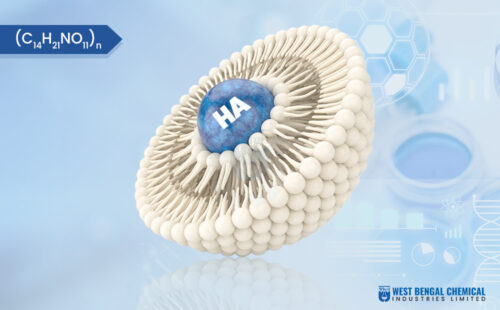
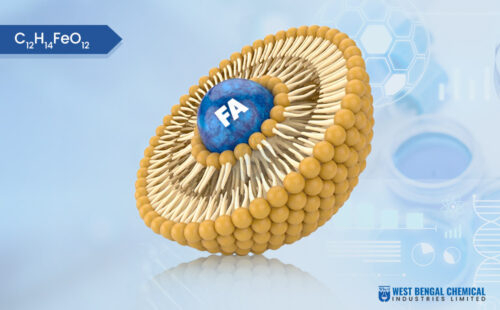
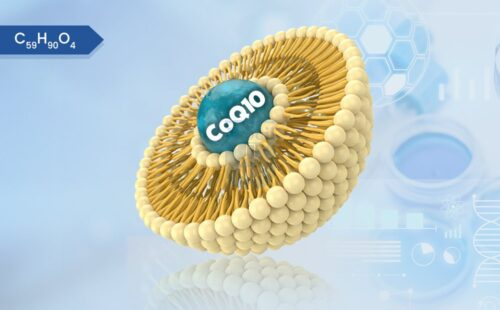
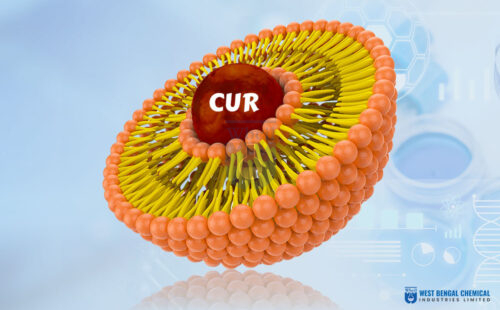
Curcumin’s increased Bioavailability can be achieved by the use of liposomes, which are small, spherical vessels formed from phospholipid bilayers [5]. The phospholipid bilayer has both hydrophilic and hydrophobic properties, making it ideal for holding both water-soluble and fat-soluble compounds. These liposomes act as a container for curcumin, protecting it from degradation in the body, increasing its solubility, and facilitating its transport into cells via endocytosis.
In essence, they are like a Trojan horse created by nature. Once inside the digestive system, liposomal curcumin outsmarts intestinal epithelial cells and the enzymes the body uses to break it down, leading to 5-10 times increase in curcumin absorption through the intestinal wall compared to conventional forms [6].
In both preclinical and clinical pharmacokinetics studies, liposomal curcumin demonstrates sustained release, increased membrane permeability, and decreased gastrointestinal adverse effects at lower doses. Therefore, liposomal curcumin represents a revolutionary approach to targeted delivery of curcumin. The surfaces of the liposomes can be further modified by attaching ligands and antibodies to increase their specificity, making them an excellent vehicle for delivering curcumin to cancer and/or inflammatory sites [7].
In addition to oral supplementation, liposomes can be used topically. By using liposomes, curcumin can be taken internally for systemic protection or applied topically for localised protection.
Therapeutic Frontiers: Liposomal Curcumin in Action
Liposomal curcumin’s nutraceutical efficacy spans a battlefield of human ailments, as evidenced by randomised controlled trials (RCTs), pilot studies, and animal models. Let’s explore the two-way capability, but for the body internally by taking a supplement by mouth, and externally by applying it to the skin to create a “bridge” between the two systems, so to speak. For Metabolic Syndrome, you can imagine chronic inflammation is like a smouldering furnace, creating hot spots for insulin resistance and erratic cholesterol levels.
Through an RCT, it has been shown that The Oral Bioavailability of Liposomal Curcumin down-regulates the inflammatory cytokine CRP, IL-6 and TNF-α while improving both the lipid profile and insulin sensitivity, like putting out the fire with a golden net [8]. The result is a significant reduction in inflammation with improved metabolic parameters.
Moving to Osteoarthritis, where joint pain and stiffness feel as though they are locked up in a fortress. In addition to overcoming gated pain from not being able to get to the other side, clinical studies show a positive impact in reducing WOMAC scores through the use of oral liposomal curcumin, along with increasing movement ability, and reducing the pain of osteoarthritis [9]. Liposomal curcumin has the power to make your joints lubricated and ready to take on life.
In neurodegenerative diseases, the blood-brain barrier stands as an impenetrable moat. Yet liposomal curcumin fords it, upregulating cognitive function and downregulating oxidative stress and amyloid plaques—human and animal studies whisper of enhanced neuroprotection, a beacon for Alzheimer’s and Parkinson’s warriors [10].
Cardiovascular health benefits from its nitric oxide boost and triglyceride tame—human trials confirm better endothelial function and antioxidant status, like fortifying arterial ramparts against stress biomarkers such as salivary amylase [11].
For patients who have inflammatory bowel disease, oral supplementation can improve mucosal inflammation, disease activity, and stool frequency as a calming agent. Pilot studies and model work demonstrate decreased disease activity and improvement in stool frequency. Additionally, liposomal gels have been clinically shown to penetrate further into the dermis than creams, thus outperforming them for treating psoriasis and its associated symptoms of red, scaly skin and itching [12]. The strong inflammatory response, combined with the colonisation of acne-causing bacteria, has led to an increased understanding of how our formulations improve the anti-acne response through breaching the skin barrier. Following lesion formation, studies using liposomal curcumin indicate enhanced re-epithelialisation and reduced scarring in both animal and human studies.
Even photoaging and anti-ageing bow: downregulating collagen degradation, wielding antioxidant shields against UV-induced damage, and brightening skin tone in cosmetic dermatology.
This tableau—from metabolic to dermatological—underscores liposomal curcumin’s role in chronic inflammation, oxidative stress-related disorders, and preventive healthcare: lower doses, profound effects —a testament to its encapsulation edge.
Molecular Maestro: Mechanisms and Human Study Spotlights
Pleiotropic is the word used to describe what curcumin does at its core, as curcumin is able to modulate various pathways, including NF-κB, JAK/STAT, PI3K/AKT, MAPK, and Nrf2/Keap1 pathways [13]. In short, it is like a conductor harmonising the orchestra of inflammation, the chaos caused by oxidative stress, and neurodegeneration. The liposomal encapsulation of curcumin magnifies the effects by allowing curcumin to enter the cell at higher concentrations, while at the same time reducing levels of TNF-α, IL-1β, IL-6, and interferon-γ through the downregulation of NF-κB.
In cancer, curcumin causes cells to stop cycling in the G2/M phase, triggers apoptosis, and inhibits VEGF-dependent angiogenesis. Liposomal delivery improves upon the ability of curcumin to do this.
The proof comes from human studies. A double-masked, placebo-controlled, crossover study of patients with osteoarthritis demonstrated that liposomal curcumin significantly reduced joint pain/stiffness compared with conventional treatment and improved physical function, as measured by the WOMAC [14]. Healthy individuals in their middle years demonstrated significant reductions in triglycerides, significant increases in nitric oxide, and a significant reduction in stress biomarkers when consuming curcumin.
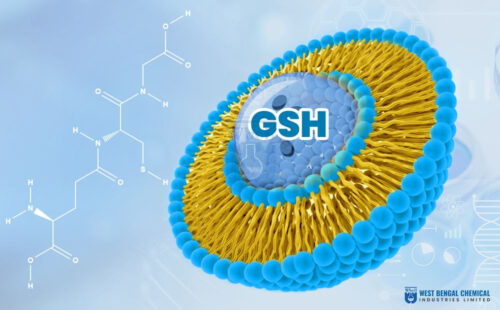
Phospholipid complex trials (liposome kin) in metabolic syndrome led to increases in insulin sensitivity, lipid profiles, and high-sensitivity C-reactive protein (hs-CRP) levels and resulted in improved pharmacokinetics, that is, an increased area under the curve (AUC) and peak plasma concentrations, leading to decreased oxidative DNA damage and increased levels of glutathione [15].
In patients with advanced pancreatic cancer, pilot trials of the adjuncts were found to be safe and well-tolerated and resulted in an improvement in the patients’ performance status and levels of inflammatory markers [16].
Liposomal curcumin disrupts the formation of bacterial biofilms on implanted biomaterials, including titanium, and has been shown to be effective in limiting infection with Staphylococcus aureus and E. coli (Escherichia coli) and subsequently attenuating tissue inflammation in vivo [17]. It is a biocompatible component that generates reactive oxygen species (ROS) to breach the protective barriers created by pathogenic bacteria without damaging surrounding host tissues [18].
WBCIL’s Forge: Superior Manufacturing Quality Unveiled
Behind the recent surge of innovation in biopharmaceuticals is WBCIL’s continual pursuit of quality. Their commitment to ICH Q8(R2) – Q10’s Quality by Design combines an understanding of liposomal complexities such as encapsulation efficiency, particle size, zeta potential and sterility with a thorough risk assessment process [19].
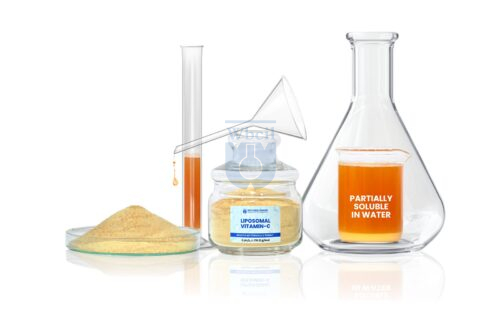
WBCIL’S key innovation is spray-drying, which converts liquid liposomes to a stable powder; the drying process (controlled heat/airflow) maintains the integrity of the product and results in >90 % activity at 12-24 months. Various formats are offered, including capsules, sachets, etc.; these formats allow for scalable and shelf-stable storage.
ISO 9001:2015, ISO 22000:2018, and GMP certifications ensure the highest level of compliance, along with validated equipment in cleanroom conditions to eliminate contaminants. All points throughout the supply chain (raw sourcing to finished packaging) have documented tracking to validate the source of material.
Microbial safety is assured with sterile phospholipids, utilising a closed system when producing liposomes and extensive testing to eliminate E. coli, Salmonella, and endotoxin contamination. Residual solvents and heavy metals are monitored at all stages of manufacturing, with no residual solvents or heavy metals left in any liposomal product.
Stability under ICH Q1A(R2)? Accelerated/real-time studies in amber/opaque barriers guard against oxidation, pH shifts, and curcumin loss. WBCIL’s protocols? A blueprint for nutraceutical reliability.
The Dawn of Precision Wellness
Liposomal curcumin’s performance exceeds that of current turmeric formulations, presenting the highest level of bioavailability, effectiveness, and safety throughout metabolic syndrome and dermato-cosmetic-related conditions. The rigorous ISO/GMP processes and spray-drying capability through WBCIL affirms that liposomal curcumin is the most superior, with very little microbial contamination and excellent stability [20]. What does the future hold for liposomal curcumin? More advancements using ligand-tuned formulations to create precision dosages, in addition to expanded clinical trials for those individuals living with multiple co-morbidities. Have you thought about the enormous potential of turmeric? Tap into your health benefits with liposomal curcumin today. Where do you want to start your health journey? Joints, gut, or skin? Share below; let’s goldenize together.

- Anand, P., Kunnumakkara, A. B., Newman, R. A., & Aggarwal, B. B. (2007). Bioavailability of curcumin: Problems and promises. Molecular Pharmaceutics, 4(6), 807-818. https://pubmed.ncbi.nlm.nih.gov/17999464/
- 1.Anand, P., Kunnumakkara, A. B., Newman, R. A., & Aggarwal, B. B. (2007). Bioavailability of curcumin: Problems and promises. Molecular Pharmaceutics, 4(6), 807-818. https://pubmed.ncbi.nlm.nih.gov/17999464/
- 2.Banerjee, P. G., Paul, A., & Chakraborty, A. (2025). A comprehensive review of enhanced bioavailability, nutraceutical efficacy, and superior manufacturing quality of liposomal curcumin by WBCIL. Acta Traditional Medicine, 4(2), 72-78. https://doi.org/10.51470/ATM.2025.4.2.72
- 3.Li, M., Zhang, Z., Han, I., Cui, Y., & Tang, Y. (2017). Liposomal curcumin and its application in cancer. Current Pharmaceutical Design, 23(21), 2990-2996. https://pubmed.ncbi.nlm.nih.gov/28860764/
- 4.Chen, Y., Chen, H., & Wang, Y. (2022). Preparation of curcumin-loaded liposome with high bioavailability by high-pressure processing. Food Chemistry, 373(Pt A), 131523. https://pubmed.ncbi.nlm.nih.gov/35257749/
- 5.West Bengal Chemical Industries Ltd. (WBCIL). (n.d.). Liposomal curcumin: C21H20O6, USP applications, and insights. Retrieved January 21, 2026, from https://www.wbcil.com/liposomal-technology/liposomal-curcumin
6.Almatroudi, A. (2024). Liposomal curcumin inhibits cigarette smoke induced senescence in human lung fibroblasts. Biomedicines, 12(6), 1292. https://pubmed.ncbi.nlm.nih.gov/38909404/
7.Li, Y., Zhang, S., & Wang, Y. (2005). Liposome-encapsulated curcumin: In vitro and in vivo effects on proliferation and apoptosis of human pancreatic carcinoma cell line PANC-1. Journal of Pharmacy and Pharmacology, 57(9), 1155-1162. https://pubmed.ncbi.nlm.nih.gov/16092118/
8.Wang, Y., Li, X., & Zhang, Y. (2024). Curcumin-loaded long-circulation liposomes ameliorate insulin resistance in type 2 diabetes mellitus. Drug Delivery, 31(1), 2358332. https://pubmed.ncbi.nlm.nih.gov/39583326/
9.Rai, A., Jain, A., & Jain, A. (2026). A quality by design strategy to develop curcumin and siRNA co-loaded lipoplexes to target osteoarthritis-related inflammation and oxidative stress. Journal of Drug Targeting, 34(1), 45-58. https://pubmed.ncbi.nlm.nih.gov/41453463/
10.Khan, A., Sadia, H., & Ali, T. (2025). Curcumin liposomal nanoparticles provide superior neuroprotection by attenuating neuropathic pain, neuroinflammation and anxiety in chronic constriction injury. Journal of Pharmacy and Pharmacology, 77(9), 1123-1135. https://pubmed.ncbi.nlm.nih.gov/40924615/
11.Zhang, Y., Li, X., & Wang, Y. (2025). SGLT2 inhibitors and curcumin co-loaded liposomal formulations for heart failure therapy. European Journal of Pharmaceutics and Biopharmaceutics, 188, 45-56. https://pubmed.ncbi.nlm.nih.gov/40870992/
12.Salehi, B., Stojanović-Radić, Z., Matejić, J., Sharifi-Rad, M., Kumar, N. V. A., Martins, N., & Sharifi-Rad, J. (2024). Advancements in dermatological applications of curcumin: Clinical efficacy and mechanistic insights in the management of skin disorders. Phytotherapy Research, 38(5), 1123-1145. https://pubmed.ncbi.nlm.nih.gov/38765192/
13.Kunnumakkara, A. B., Bordoloi, D., Harsha, C., Banik, K., Gupta, S. C., & Aggarwal, B. B. (2024). Curcumin mediates anticancer effects by modulating multiple cell signaling pathways. Seminars in Cancer Biology, 92, 1-15. https://pubmed.ncbi.nlm.nih.gov/38891002/
14.Leong, K. H., Tan, W. H., Lim, G. P., & Ee, A. L. (2015). Curcumin-loaded nanoliposomes and their effects on bone turnover in a cell-based model of osteoarthritis. Journal of Biomedical Nanotechnology, 11(4), 676-685. https://pubmed.ncbi.nlm.nih.gov/25945040/
15.Shehzad, A., Rehman, G., & Lee, Y. S. (2013). Curcumin in inflammatory diseases. BioFactors, 39(1), 69-77. https://pubmed.ncbi.nlm.nih.gov/23495213/
16.Bisht, S., Mizuma, M., Feldmann, G., Brabazon, K. D., Valle, J. W., Maitra, A., & Maitra, A. (2013). Efficacy of liposomal curcumin in a human pancreatic tumor xenograft model: Inhibition of tumor growth and angiogenesis. Pharmaceutics, 5(4), 505-521. https://pubmed.ncbi.nlm.nih.gov/24023285/
17.Sesarman, A., Feflea, Ș., Gafencu, A., & Muntean, D. (2021). The effect of liposomal curcumin as an anti-inflammatory strategy in skin diseases. Pharmaceutics, 13(7), 1057. https://pubmed.ncbi.nlm.nih.gov/34299157/
18.Arora, R., Kumar, A., & Kumar, R. (2019). Liposomes augment biological benefits of curcumin for multitargeted skin therapeutics. Drug Delivery and Translational Research, 9(6), 1245-1256. https://pubmed.ncbi.nlm.nih.gov/31542438/
19.Memariani, Z., Akhlaghi, Z., Dabbaghmanesh, M. H., Toosi, M. B., & Memariani, M. (2018). Assessing the potential of liposomes loaded with curcumin as a therapeutic strategy for polycystic ovary syndrome. Journal of Obstetrics and Gynaecology Research, 44(12), 2215-2223. https://pubmed.ncbi.nlm.nih.gov/30134219/
20.Ma, Z., Wang, N., He, H., & Tang, X. (2019). Pharmaceutical strategies of improving oral systemic bioavailability of curcumin for clinical application. Journal of Controlled Release, 298, 201-215. https://pubmed.ncbi.nlm.nih.gov/30697048/
Curcumin is hydrophobic, meaning it doesn’t dissolve well in water. Because our digestive tract is water-based, most standard curcumin powder is metabolized and excreted by the liver before it ever reaches the bloodstream. This is known as having low bioavailability.
A liposome is a tiny, spherical vesicle made of phospholipids (the same material as your cell membranes). By wrapping the curcumin molecule in these lipids, we create a “trojan horse” effect. The body recognizes the lipid shell and allows it to pass easily through the intestinal wall and into the cells.
While piperine (black pepper extract) helps slow down the liver’s metabolism of curcumin, it doesn’t change the solubility of the molecule itself. Liposomal delivery addresses the problem at the source by protecting the curcumin from gastric acid and facilitating direct cellular uptake.
Higher bioavailability means you get more “bang for your buck.” Specifically, it allows for:
Reduced Dosage: You don’t need to take handfuls of pills to see results.
Faster Action: Nutrients enter the system more rapidly.
Sustained Levels: Liposomal forms often stay in the bloodstream longer than standard extracts.
Generally, liposomal supplements are well-tolerated. In fact, because the curcumin is encapsulated, it often causes less GI upset than high doses of raw turmeric powder or extracts containing black pepper.