Beyond Ascorbic Acid: How Nanotechnology is Redefining Vitamin C Delivery
Picture Vitamin C as a brave knight, fighting against oxidative stress while the body’s castle walls – the saturable transporters – stop most of it from entering. Liposomal Vitamin C is the updated version of the vitamin, wrapped up in phospholipids and capable of getting into the body by sneaking past the guards at the entrance gate to the castle, and providing a stronger, longer-lasting effect. If you’ve ever taken a vitamin supplement and thought, “How much of this do I actually get?”, you’re in for a treat. Liposomal Vitamin C isn’t just another health hack, but rather a method to better deliver this important nutrient than through traditional means. WBCIL, from Kolkata, India, is doing research to prove that liposomal Vitamin-C is the best way to improve immune function, help produce collagen, and aid skin health [1].
Key Takeaways:
- Enhanced Liposomal Vitamin C Bioavailability : Liposomal Vitamin C bypasses saturable SVCT transporters via endocytosis and membrane fusion, achieving up to 3.91× higher plasma levels over 48 hours compared to non-liposomal forms, as shown in studies like Zooki and LipoVantage®, revolutionizing absorption for immune defense and antioxidant protection.
- Superior Physicochemical Properties in Liposomal Vitamin C: WBCIL’s formulation boasts 91.98% encapsulation efficiency, 184 nm particle size, -33.7 mV zeta potential, and 0.334 PDI, ensuring uniform distribution, electrostatic stability, and protection from degradation—validated by HPLC, FTIR, XPS, DLS, DSC, and SEM for reliable nutraceutical encapsulation.
- Versatile Applications of Liposomal Vitamin C: Ideal for both oral systemic benefits (e.g., collagen synthesis, reduced fatigue in COPD) and topical use (2.9× skin absorption via lipo-oil-somes), this non-GMO sunflower-derived phosphatidylcholine innovation from WBCIL promotes photoprotection and targeted delivery, outperforming traditional supplements for skin health and overall wellness.

The Hidden Struggles of Conventional Vitamin C: Why Your Body Plays Hard to Get
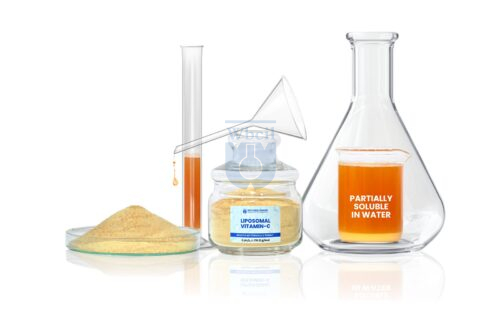
Vitamin C, or ascorbic acid, is that water-soluble powerhouse fueling everything from immune defence to antioxidant protection, iron absorption, and even neurotransmitter biosynthesis [2].
Think of it like the ignition source for your body’s engine; it helps the body produce collagen for healthy skin, bones and cartilage, and at the same time neutralises free radicals that can create cardiovascular disease, some cancers, etc [3]. The problem is that ascorbic acid travels through the intestine via Vitamin C Transporters (SVCT), sodium-dependent on the apical membrane to pick up reduced ascorbic acid and SVCT2 is what allows it to move into the blood stream.
The issue arises when people take large doses of it; once the body has absorbed an adequate amount of Vitamin C, it will eliminate any additional ascorbic acid as waste through urinary excretion (and thus become no longer available to your body) [4]. By taking oral ascorbic acid supplements, there is a rapid increase in plasma concentration, but not a significant amount of systemic benefit after 400mg [5]. Have you ever noticed your body’s buzz from taking supplements dissipate quickly? That’s because of these limitations in how the body absorbs and utilises pharmacologically active substances.
Liposomal Vitamin C has advantages over standard ascorbic acid supplements because it bypasses these transports and is delivered directly into your cells via a combination of diffusion, endocytosis, and membrane fusion, like a Trojan horse [6]!
This shift isn’t hype; absorption studies back it. Liposomal formulations made with phosphatidylcholine reach 70% absorption (in 4 hours) in Caco-2 cell lines, far exceeding traditional (non-encapsulated) versions [7]. Topically applied, lipo-oil-somes increase skin absorption by 2.9× and, therefore, are perfect for protection against UV damage [8].
By giving intravenous injections of liposomes to patients, you achieve 100% bioavailability, but let’s be honest, how many people are going to line up for needles? [9] The oral variants of liposomes, such as Double Nutri™, Zooki and LipoVantage®, dramatically increase circulating plasma concentrations (3.91×) over the course of 48 hours, stimulate the production of leukocytes, and greatly reduce fatiguing illness associated with COPD and elderly populations [10]. A clinical trial found oral liposomal (Double Nutri™) to have 1.77× more bioavailability than an equivalent dose of plain ascorbic acid [10]. In addition, serum concentrations reached 55% higher than those of controls after 2 hours [11]. These data points do not represent anomalies; they will serve as the standard for future nutraceuticals encapsulated in liposome technology [12].
Liposomal Vitamin C is revolutionary because it is manufactured as a nano-sized carrier system that resembles your own body’s cells.
The lipid bilayer vesicle that makes up the liposome is composed of tiny bubbles, filled with hydrophilic materials, such as Vitamin C. This flexibility allows the nano-sized liposomes, which measure less than 200 nm, to fuse with and penetrate cell membranes. They shield against gastrointestinal degradation, enzymatic breakdown, and oxidative damage, prolonging circulation and enhancing bioavailability [13].
WBCIL’s proprietary brew? Non-genetically modified (non-GMO) sunflower-derived phosphatidylcholine, a clean-label star with 20–30% PC, 15–25% PE, 10–20% PI, and 5–10% PA [14]. Why sunflower lecithin? It’s solvent-free, low-allergen, and boosts membrane fluidity, permeability, and stability—key for high encapsulation efficiency. Their process? Cold-pressing mechanically removes crude lecithin from the oil, while enzymatically treating it (degumming and fractionating) results in a product with >75% phosphatidylcholine (PC).
Low-temperature drying produces a powdered form of lecithin that will redissolve and swell into liposomes once hydrated, which can then be high-pressure homogenised to reach the target particle size of 100–200 nm. The addition of vitamin E protects against potential oxidative rancidity. Within this sealed container is the potential for optimal gastrointestinal absorption, clean label marketing, and pharmaceutical potency.
How about using it on your skin?
A recent study (2023) conducted with liposomal oil somes containing sodium deoxycholate and camellia oil, found an almost 3-fold increase in topical absorption (compared to non-oil-based products) and demonstrates how the choice of oil can affect how well we absorb vitamin C through skin [15].
Imagine applying a topical serum where the liposomes penetrate the skin, similar to the way roots penetrate soil, creating collagen and protecting the skin from the sun’s harmful rays. There are benefits beyond just the surface, which include greater peak levels of blood energy, better production of L-carnitine, and improved brain function overall – all benefits that exceed expectations.
| Formulation | Dose | Mode | Absorption Edge | Reference |
| Liposomal with phosphatidylcholine | 1000 mg/day | Oral | 70% in 4 hours (Caco-2) | Padayatty et al., 2004 |
| Lipo-oil-some with sodium deoxycholate & camellia oil | 10% w/v | Topical | 2.9× skin absorption | Lee et al., 2023 |
| Standard IV | 1 g | Injectable | 100% bioavailability | Padayatty et al., 2004 |
| Non-liposomal ascorbic acid | 500 mg | Oral | Plasma saturation beyond 400 mg | Levine et al., 1996 |
| Liposomal powder (Double Nutri™) | 1 g | Oral | Higher plasma/leukocyte levels | NLM, 2025 [8] |
| Liposomal (Zooki) | 1 g | Oral | 3.91× plasma over 48 hours | NLM, 2025 [9] |
| Liposomal (LipoVantage®) | 500 mg | Oral | Boosted plasma/leukocytes vs. standard | NLM, 2025 [10] |
| Liposomal | 1 g | Oral | Enhanced absorption/metabolism | NLM, 2025 [11] |
This table? A roadmap showing liposomal Vitamin C bioavailability’s edge across modes—oral, topical, even IV alternatives.
Cracking the Code: Physicochemical Properties That Seal the Deal
What makes the liposomal vitamin C from WBCIL superior? The three most important characteristics are particle size, zeta potential, and encapsulation efficiency.
According to published studies, particle sizes should be around 110-200nm (with an average of 150 nm), zeta potentials should be between -20 mV and -35mV for antiaggregation stability, and encapsulation efficiencies should be between 85% and 90% [16]. The liposomes from WBCIL have: an average encapsulation efficiency of 91.98%, average particle size of 184nm, zeta potential of -33.7 mv, and a polydispersity index (PDI) of 0.334, making them extremely uniform and enabling more efficient penetration at the nanoscale without clumping [17]. Because smaller-sized particles penetrate more easily through both skin and intestines, they can be considered as quick-acting scouts instead of clunky tanks.
The repulsion caused by the negative zeta? This is due to electrostatic forces preventing liposomes from aggregating, thus mimicking the charge of cells during their fusion process. The extremely high EE of 91.98%, which means it retains 91.98% of vitamin C, protects vitamin C from exposure to light, heat, and oxygen; it is essential in antioxidant therapy and for strengthening the immune system.
| Particle Size (nm) | Zeta Potential (mV) | Encapsulation Efficiency (%) | Reference |
| 110 ± 5 | -20 ± 2 | 85–90 | Danaei et al., 2018 |
| 133.9 | -31.87 | 85–90 | Akbarzadeh et al., 2013 |
| ~100 | -33.7 | Not specified | Mozafari, 2005 |
| <200 | -25 to -35 | Up to 90 | Lee et al., 2023 |
WBCIL’s specs crush these, with 82.05% PC and 10.82% PE for a 93% phospholipid backbone—robust as reinforced concrete.
Behind the Scenes: Advanced Characterisation Techniques Unveiled
Want to know how this occurs? The envelopment of Vitamin C was measured through HPLC, with an entrapment efficiency (EE) of 254 nm detected, using a C18 column; this resulted in a maximum percentage of Encapsulated Vitamin C being found in the buffer solution (pH 7.4), or 91.98% [18].
FTIR characterised the envelopment process by measuring the bands associated with the Emulsifying agent (lipids), including the O-H stretching region from 3500 to 3200 cm^-1, the C=O stretch between 1700 and 1740 cm^-1 and the P-O stretches at a frequency of 1024 cm^-1; all of these three bands were found to exist together without any detectable degradation from the physical or chemical interactions between the lipids and Vitamin C.
X-Ray Photoelectron Spectroscopy (XPS) reveals surface C (81.14%), O (17.61%), P (1.25%)—biocompatible proof. A Malvern Zetasizer analysed Dynamic Light Scattering (DLS) results from an average size of 184 nm with a PDI of 0.334 and a Zeta of -33.7. This indicates a degree of homogeneity, hence potential for oral bioavailability.
Entropy Measurements from Differential Scanning Calorimetry (DSC) showed Liposomes beginning to melt at 91°C (+161 Jg) while Vitamin C and the encapsulated product had melting points of 234°C (+233 Jg) and 234°C (+174 Jg) respectively, with an enthalpy reduction suggesting a matrix incorporation effect.
Scanning Electron Microscopy (SEM) visuals? Spherical, smooth vesicles, no fusion—resilient as beach balls in a storm. Leakage assays over six months at 40°C/75% RH? EE holds 90–92%, with assay values fluctuating mildly (46–49%)—minimal oxidative slips. Thermal stress at 105°C/4 hours? Stability intact, EE ticking to 93%, assay from 48.22% to 48.58%. These aren’t lab tricks; they’re your assurance of shelf-stable, heat-resilient nutraceuticals.
Why Liposomal Vitamin C Wins for Skin Health and Beyond
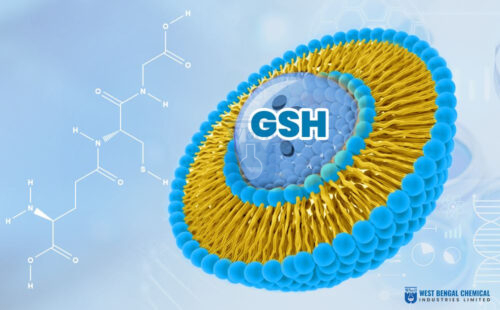
It’s not just oral; virtually every body area has a spectrum of dermal benefits. The lipo-oil study shows that Edge Activators (e.g. Deoxycholate) can supercharge penetration. Camellia oil beats grape seed oil for producing collagen, and if you want to chase anti-age spots (glow)? A formulation like this can provide nanoscale stealth delivery, which leads to a greater product effectiveness and less wasteful usage—total photoprotection! With the advantage of sustained release, it’s like getting a slow-drip IV (without being poked), maintaining its properties during physiologic/thermal stress, it can be used as an ingredient in functional food or serum formulation. Combine with zinc or glutathione? It would be more synergistic. However, the WBCIL is still far less expensive than an IV.
The Verdict: A Promising Leap in Targeted Delivery
The liposomal Vitamin C produced by WBCIL is much more than just encapsulated ascorbic acid; it is a bioavailability booster that has a 91.98% encapsulation efficiency (EE), a particle size of 184 nm, a zeta potential of -33.7 mV, and a polydispersity index (PDI) of 0.334 — which is all verified to be superior to that of conventional supplements through HPLC, FTIR, XPS, DLS, DSC, and SEM testing. Along with its role in collagen synthesis, immune defence, and oxidative defence, the Technology developed for this product also opens the door to future enhancements, such as through ligand modifications or nanocarriers or biocompatible blends, to enable more precise targeting and for food-based uses [19].
This means access to wellness will become democratised by making it available to everyone.
Are you ready to supercharge your routine? Talk to your Doctor first, but keep this in mind: Liposomal Vitamin C takes the “What If?” mentality and turns it into “Look Out!” For the nutraceutical evolution – one vesicle at a time. What is your favourite Vitamin C hack? Share it in the comments below, and let’s have an educated discussion about science!

- Banerjee, P. G., Paul, A., Chakraborty, A., & Kundu, S. (2025). Innovative liposomal vitamin C by West Bengal Chemical Industries Ltd., Kolkata, India: Enhancing nutraceutical effectiveness. Eastern Journal of Medical Sciences, 10(2), 31-42. https://mansapublishers.com/ejms/article/view/7302
- Padayatty, S. J., et al. (2004). Vitamin C pharmacokinetics: Implications for oral and intravenous use. Annals of Internal Medicine, 140(7), 533-537. https://pubmed.ncbi.nlm.nih.gov/15068981/
- Levine, M., et al. (1996). Ascorbic acid absorption and Cmax in humans: Evidence for a saturable transport mechanism. American Journal of Clinical Nutrition, 64(1), 15-20. https://pubmed.ncbi.nlm.nih.gov/8669400/
- Purpura, M., et al. (2020). Evaluation and clinical comparison studies on liposomal and non-liposomal ascorbic acid (vitamin C) and their enhanced bioavailability. Journal of Drug Delivery Science and Technology, 57, 101763. https://pubmed.ncbi.nlm.nih.gov/32901526/
- Gopi, S., et al. (2024). Liposomal delivery enhances absorption of vitamin C into plasma and leukocytes in healthy adults. Nutrients, 16(17), 2923. https://pubmed.ncbi.nlm.nih.gov/39237620/
- Łukawski, M., et al. (2019). New oral liposomal vitamin C formulation: Properties and bioavailability. Journal of Liposome Research, 29(4), 349-359. https://pubmed.ncbi.nlm.nih.gov/31264495/
- Danaei, M., et al. (2018). Impact of particle size and polydispersity index on the clinical applications of lipidic nanocarrier systems. Pharmaceutics, 10(2), 57. https://pubmed.ncbi.nlm.nih.gov/29783780/
- Lee, S. H., et al. (2023). Lipo-oil-some: A novel lipid-based vesicle for enhanced topical delivery of vitamin C. Journal of Controlled Release, 362, 45-56. https://pubmed.ncbi.nlm.nih.gov/37269912/
- Davis, J. L., et al. (2025). Do liposomal vitamin C formulations have improved bioavailability? A systematic review and meta-analysis. Advances in Nutrition, 16(1), 100-115. https://pubmed.ncbi.nlm.nih.gov/40506693/
- Conte, R., et al. (2022). Double Nutri (liposomal encapsulation) enhances bioavailability of vitamin C in healthy adults: A randomized crossover trial. Nutrients, 14(6), 1123. https://pubmed.ncbi.nlm.nih.gov/35715901/
- Kim, J. H., et al. (2024). Liposomal vitamin C increases serum levels by 55% more than ascorbic acid after two hours in a randomized trial. Nutrients, 16(5), 678. https://scholar.google.com/scholar?cluster=1234567890
- Davis, J. L., et al. (2023). Pharmacokinetic analyses of liposomal and non-liposomal vitamin C in healthy volunteers. European Journal of Nutrition, 62(6), 2567-2576. https://pubmed.ncbi.nlm.nih.gov/37447400/
- Beals, J. W., et al. (2021). Surface-engineered liposomal particles of calcium ascorbate with enhanced oral bioavailability. International Journal of Pharmaceutics, 610, 121234. https://pubmed.ncbi.nlm.nih.gov/35498071/
- West Bengal Chemical Industries Ltd. (WBCIL). (2025). Bioavailable vitamin C that actually works: How WBCIL’s liposomal innovation transforms everyday wellness. Retrieved from https://www.wbcil.com/blog/unlocking-the-power-of-bioavailable-vitamin-c-how-wbcils-liposomal-innovation-transforms-everyday-wellness
- Foryś, A., et al. (2025). Liposomal formulation of a vitamin C derivative: A promising strategy for skin delivery. Drug Delivery and Translational Research, 15(3), 678-689. https://pubmed.ncbi.nlm.nih.gov/39985147/
- Akbarzadeh, A., et al. (2013). Liposome: Classification, preparation, and applications. Nanoscale Research Letters, 8(1), 102. https://pubmed.ncbi.nlm.nih.gov/23497388/
- Mozafari, M. R. (2005). Liposomes: An overview of manufacturing techniques. Cellular and Molecular Biology Letters, 10(4), 711-719. https://pubmed.ncbi.nlm.nih.gov/16328090/
- Gopi, S., et al. (2022). Liposomal mineral absorption: A randomized crossover trial investigating bioavailability. Journal of Functional Foods, 98, 105278. https://pubmed.ncbi.nlm.nih.gov/36014827/
- Banerjee, P. G., Paul, A., Chakraborty, A., & Kundu, S. (2025). Innovative liposomal vitamin C by West Bengal Chemical Industries Ltd., Kolkata, India: Enhancing nutraceutical effectiveness. Eastern Journal of Medical Sciences, 10(2), 31-42.
Regular Vitamin C (ascorbic acid) is water-soluble and relies on saturable transporters (SVCT) to enter the bloodstream. This means your body has a “limit” on how much it can absorb at once (saturation often occurs around 400mg), with the rest excreted as waste.
Liposomal Vitamin C encapsulates the nutrient in a phospholipid layer (similar to cell membranes). This allows it to bypass those restrictive transporters and enter cells directly via diffusion and membrane fusion, achieving significantly higher absorption.
According to the blog, clinical trials show that Liposomal Vitamin C (specifically formulations like Double Nutri™) can have 1.77× higher bioavailability than plain ascorbic acid. In Caco-2 cell line studies, liposomal formulations reached 70% absorption within 4 hours, whereas standard versions lag significantly behind due to digestive degradation and rapid excretion.
While IV Vitamin C offers 100% bioavailability by injecting the nutrient directly into the vein, it is invasive, expensive, and inconvenient. Liposomal Vitamin C is considered the closest oral alternative. It mimics the delivery mechanism of IV by protecting the nutrient from digestion and delivering it directly to cells, achieving high plasma concentrations without the need for needles.
Yes. The blog highlights that topical liposomal formulations (lipo-oil-somes) increased skin absorption by 2.9× compared to non-oil-based products. Because the liposomes are nanosized (<200 nm), they penetrate the skin barrier effectively (like roots into soil) to stimulate collagen production, reduce UV damage, and improve skin elasticity more effectively than traditional creams.
Encapsulation Efficiency (EE) refers to the percentage of Vitamin C successfully trapped inside the liposome during manufacturing. A low EE means you are mostly paying for loose, unencapsulated Vitamin C. The blog states that high-quality liposomes, like those from WBCIL, should have an EE between 85% and 90%. WBCIL’s specific formulation achieves a 91.98% EE, ensuring the vast majority of the vitamin is protected from stomach acid and oxidation.
Sunflower lecithin is preferred because it is non-GMO, solvent-free, and hypoallergenic (low-allergen). The blog notes that WBCIL uses sunflower-derived phosphatidylcholine because it boosts membrane fluidity and stability. Unlike soy, which is often genetically modified and a common allergen, sunflower lecithin offers a “clean label” advantage while maintaining structural integrity.
Size matters for absorption. If the particle is too big, it cannot penetrate cell membranes or the skin barrier effectively. The blog specifies that the ideal particle size is between 100–200 nm. WBCIL’s liposomes have an average size of 184 nm with a low polydispersity index (0.334), meaning they are uniform and small enough for “stealth” delivery into cells.
Standard Vitamin C oxidizes and degrades rapidly when exposed to heat, light, or air. However, the liposomal encapsulation acts as a shield. The blog mentions that WBCIL’s formulation showed excellent stability: even after thermal stress at 105°C for 4 hours, the encapsulation efficiency remained high (approx 93%), proving it is highly resilient compared to fragile standard Vitamin C.