



Beyond Bioavailability | Liposomal Zinc for Targeted Oncology
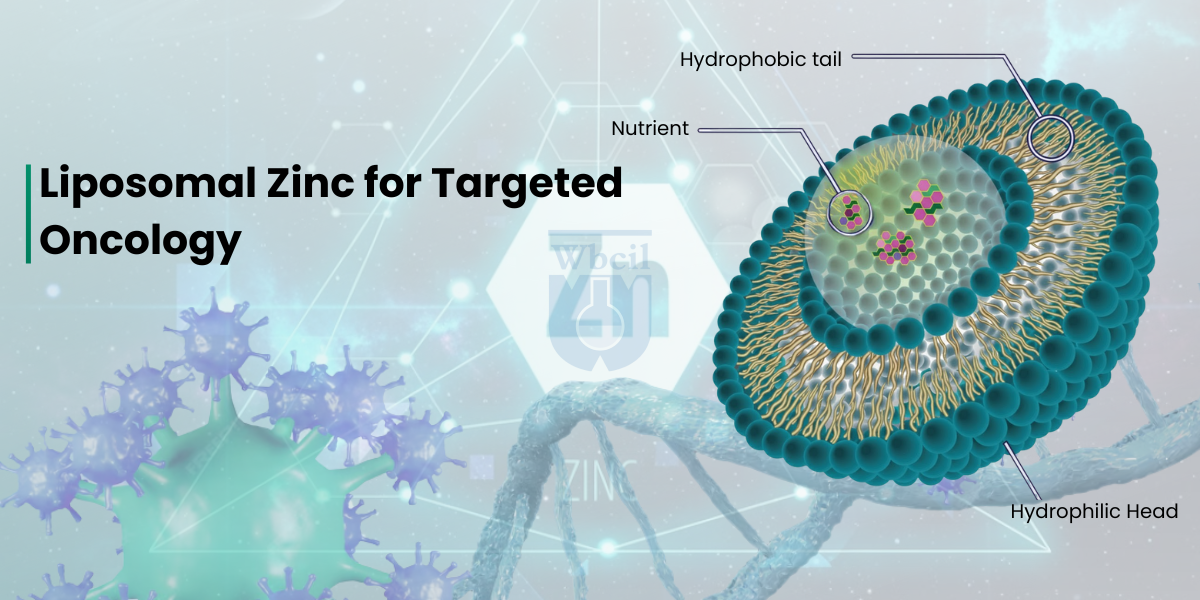
Zinc plays a critical role in maintaining cell integrity, immune function, and genetic stability. Its imbalance is associated with chronic diseases, such as cancer, where zinc levels often dictate how tumours grow and respond to therapy. Advances in nanotechnology have led to the development of liposomal zinc in cancer, a promising approach that enhances zinc’s targeted delivery and therapeutic precision. In this blog, we explore zinc’s biological significance, its interaction with cancer systems, and the emerging therapeutic potential of liposomal zinc.
Takeaways:
● Liposomal zinc in cancer enhances tumour targeting, improves zinc absorption, and reduces systemic toxicity through precise and sustained drug delivery mechanisms.
● Zinc transporters regulate tumour progression and immune modulation, influencing how cancer cells grow, adapt, and respond to various therapeutic interventions.
● Liposomal zinc formulations show strong translational potential, combining higher stability, superior bioavailability, and improved compatibility with current oncology treatment approaches.
Zinc Transporters and Their Role in Cancer Progression
A recent study suggests that altered expression of zinc-importing (ZIP/SLC39A) and zinc-exporting transporters across cancer cells was up to 33.4% of prostate adenocarcinomas 1. Such dysregulations have a major influence on zinc concentrations and overall affect apoptosis resistance and proliferation.
Here are some of the key elements necessary to understand transporter patterns that offer prognostic and therapeutic targets in oncology:
● Zinc Balance and Cell Survival: When zinc levels become unstable, cells lose their control over proliferation and functional growth. Such overall imbalance leads to tumour development and reduced repair capacity. Restoration of zinc homeostasis can help maintain normal cell behaviour.
● Zinc Transporters and Tumour Growth: Overactive ZIP transporters pull excess zinc into the cancer cells. These additional zinc ions help in DNA synthesis and help with uncontrolled cellular expansion. Such an adverse condition is responsible for making tumours adaptable to stress.
● Zinc Transporters and Zinc Export Failure: Lower levels of ZnT activity prevent cells from expelling excess zinc. The overall build-up creates a protective environment that helps tumours survive chemotherapy. It also promotes resistance to oxidative stress.
● Tissue-Specific Transporter Variations: Different cancers show unique transporter patterns depending on their tissue types. Both prostate and pancreatic tumours often lose a high amount of zinc, whereas in the case of breast cancers show different transporter patterns.
● Therapeutic Possibilities: With appropriate analysis of ZIP and ZnT expression, novel treatments are created using zinc. Moreover, liposomal encapsulation for zinc formulations can enhance precision and minimise systemic toxicity.
Understanding zinc’s cellular control provides insight into liposomal zinc’s role in cancer treatment and precision therapy.
How Zinc Supports Tumour Control and Cell Health?
Zinc has a critical role in immunotherapy and helps in key functions such as DNA repair, antioxidant defence and immune cell activation. A study with 530 patients showed a mean serum zinc level decrease significantly for different tumour cells, with 51.3% of liver cancer patients having <65 µg/dL 2.
Here’s how zinc helps in tumour control and cell health:
● DNA repair support: Zinc helps activate the enzymes which is necessary for repairing damaged DNA. With sufficient levels of zinc, the cells may fix genetic errors before they lead to tumour growth.
● Immune Cell Function: Zinc supports macrophage activity and T-cell maturation, which is useful for detecting and destroying malignant cells. With the drop in zinc levels, the overall immune response weakens, and cancer risks may increase significantly.
● Apoptosis Regulation: Appropriate levels of zinc ensure that damaged and abnormal cells clear apoptosis; without such regulation, the faulty cells may accumulate and form tumours.
● Antioxidant Protection: Zinc ions help in the activity of superoxide dismutase and other antioxidant systems. The overall protection is necessary to limit the overall oxidative stress and which is otherwise necessary for cancer-cell survival and proliferation.
● Clinical implications: Recognition of low zinc status within cancer patients can prompt accurate therapeutic and nutritional intervention. Moreover, the restoration of zinc balance helps regulate system cell growth and enhances treatment outcomes.
Explore how liposomal zinc supplementation for cancer enhances targeted delivery, improves efficacy, and minimises systemic toxicity.
Liposomal Zinc: A Smarter Path to Targeted Cancer Therapy
Delivery of zinc through a nanocarrier is a critical approach that helps enhance overall tumour uptake. Zinc levels decrease significantly with cancer progression. A study suggests that there is a 70% decrease in Zn levels 3. The term liposomal zinc in cancer captures both the trace-element therapeutic potential and precision enabled by liposomes.
● Enhanced Tumour Delivery: Liposomes encapsulate zinc or zinc-complexes, so that the payload reaches tumour tissues through enhanced permeability and retention effect. The method raises the levels of local zinc concentration and malignancies without an increase in systemic zinc levels.
● Enhanced Stability and Biodistribution: It ensures controlled release of zinc within the tumour micro-environment for sustained zinc exposure within the cancer cells.
● Dual Therapy: Liposomal technology protects zinc from combined photodynamic and chemotherapy within a single formulation. The process ensures better tumour cell formulations and helps achieve tumour cell apoptosis and reduce chemoresistance. In such cases, liposomal zinc becomes a vehicle for multi-modal attack.
● Uptake Amplification: There is often an overexpression of ZIP transporters when there is the presence of tumour cells. Through liposomal delivery systems, intracellular delivery of zinc is streamlined using liposomes, which triggers tumour-cell stress response and apoptosis.
● Therapeutic Potential: Liposomal systems use well-characterised phospholipids with scalable manufacture, which is feasible. WBCIL’s production aligns with GMP standards to maintain the efficacy of the final product.
Next, examine how liposomal zinc supplementation for cancer shows promising preclinical results with improved tumour targeting.
Preclinical Evidence of Liposomal Zinc in Cancer Models
A murine colon carcinoma study for zinc(II) complex encapsulated in liposomes achieved tumour-volume reductions compared to 5-fluorouracil 4. The findings suggest that the concept of liposomal zinc in cancer therapy, where nanocarrier delivery enhances localisation and potency of zinc-based agents.
Here are some insights for evidence showing the efficacy of liposomal zinc in cancer models:
● Improved in-vivo Efficacy: Within the syngeneic CT-26 colon cancer model, the liposomal zinc complex matched the tumour suppression effect of 5-FU with a three-time dosage lower than free agents.
● Lower Toxicity and Better Tolerance: Encapsulation limits free zinc ions within circulation, while reducing oxidative stress and tissue irritation. It allows for higher effective doses with a lower risk of systemic toxicity.
● Enhance Cellular Uptake: Liposomes integrate with cell membranes and allow zinc to enter cancer cells effectively. The process enhances intracellular zinc delivery and improves anticancer activity.
● Therapeutic Potentials: Combined with chemotherapy and photodynamic therapy, liposomal zinc can enhance overall treatment response and support apoptosis and reduce resistance pathways within tumour cells.
Also read: The Liposomal Advantage: Bridging Medicine, Nutrition, and Skincare.
Final Thoughts
Zinc plays a critical role in oncology, and it influences how cells grow, repair, and defend against oxidative stress. Zinc transporters affect tumour progression, and liposomal systems enhance delivery precision.
Zinc is therefore not a supplement, but a critical factor for maintaining cellular integrity and enhancing therapeutics under medical supervision.
Liposomal zinc, an advanced delivery system of West Bengal Chemicals Industries Limited (WBCIL), enhances the bioavailability of zinc and absorption into the bloodstream. The liposomal system also allows for control over the dosage, reducing the risk of systemic toxicity while ensuring accurate delivery of zinc directly to cells
At WBCIL, scientific research translates into clinically relevant formulations. With six decades of manufacturing and WHO-GMP, ISO, and HACCP certifications. WBCIL develops liposomal and zinc-based therapeutic actives designed for superior bioavailability and stability. Through R&D and collaborations, WBCIL continues to expand its liposomal technology, bridging pharmaceutical innovation.

Yes, a cancer patient can take zinc supplements under medical guidance, especially with bulk liposomal zinc for nutraceuticals designed for controlled therapeutic support. These formulations help maintain neurological balance, enhance cellular defence, and may reduce treatment-related fatigue while ensuring safe zinc levels during oncology care.
There is no single best supplement; requirements differ depending on treatment type, nutritional status, and medical supervision. Doctors often recommend antioxidants, vitamin D, omega-3s, or protein supplements to support immunity and recovery when clinically appropriate.
Zinc supports DNA repair and cell stability, but its imbalance can encourage tumour development by disrupting cellular control mechanisms. Maintaining balanced zinc levels helps normal cells survive oxidative stress while constraining cancerous growth and uncontrolled cell division.
Zinc may reduce radiation-induced oral inflammation and taste loss, but its use should be directed by your oncologist. Excessive supplementation can interfere with treatment, so dosing must be personalised according to radiation type and patient response.
No strong evidence shows a harmful interaction between zinc and Letrozole; however, professional monitoring ensures treatment safety. Your oncologist may evaluate zinc status to prevent deficiency without altering Letrozole’s therapeutic effect or hormonal regulation.
Metastasis prevention relies on early diagnosis, effective treatment, and strict follow-up to block tumour spread. Healthy habits, balanced nutrition, and medical adherence enhance resistance to secondary cancer formation and improve prognosis.
Aggressive treatment combines multiple therapies such as surgery, radiation, and chemotherapy for rapid disease control. It aims to remove or destroy malignant cells quickly but may involve significant side effects requiring close medical supervision.