From Micro to Nano: The Evolution of Iron Encapsulation Technology
Think of iron as a blazing blacksmith’s forge—necessary for producing robust red blood cells and oxygen-bearing warriors inside our bodies, but completely uncontrolled and erratic when released in its natural state. For many years we have waged war against this beast using supplements and, as a consequence, many people have experienced the searing of their stomach lining or have fallen victim to the waste of unused supplements. But imagine if we were able to contain the fire inside these delicate bubbles!
Welcome to the next evolution of supplementing our bodies with iron – the world of liposomal encapsulation of iron. A nano-scale change is upon us in how we control the forces of iron in our lives. As an avid science fan who has spent many nights obsessing over scientific articles, laboratory reports and research papers, I can assure you that this is not just “tech talk” — but rather a way of bridging the gap between bulky micro shielding solutions and sleek nano technology that allows iron to work “smarter” rather than “harder.”
We will explore the history of the development of microencapsulation of iron and then look at how that has evolved into the use of encapsulated liposomes for absorption of iron. We will also describe the scientific evidence that supports the better bioavailability and lower incidence of side effects associated with using liposomes as a vehicle to deliver iron supplements. In addition to outlining the science behind liposomal iron, we will identify several manufacturers of liposomal iron supplements, including West Bengal Chemical Industries Limited (WBCIL). So, buckle up! Consider this your lab tour — interactive! And here’s a good time for you to ask yourself the question: Have you ever taken an iron supplement and experienced nausea? If you answered yes, read on.
Ready to experience better absorption? Browse our Liposomal Iron products today.
Key Takeaways:
- Liposomal iron encapsulation revolutionizes traditional iron supplements by addressing low bioavailability and GI side effects, evolving from bulky microencapsulation techniques in the 1990s to nanoscale phospholipid spheres that achieve up to 89% efficiency, as demonstrated in WBCIL’s advanced formulations.
- Through rigorous analyses like DLS, zeta potential, and stability studies, liposomal iron encapsulation ensures superior colloidal stability (-61.2 mV) and minimal leakage, making it a safer, more effective iron delivery system for sensitive stomachs compared to ferrous sulfate.
- Liposomal iron encapsulation by innovators like WBCIL not only boosts absorption by 2-3x via targeted gut fusion but also aligns with continuous improvement philosophies like Kaizen and QbD, paving the way for future multi-micronutrient applications in global anemia prevention.

The Fiery Foe: Why Traditional Iron Supplements Fall Short
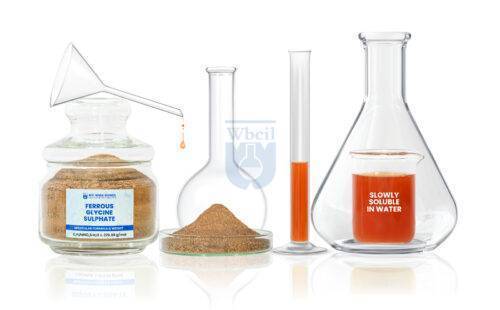
Iron supplements, often called ferrous sulfate, should be viewed similarly to burning brush that ignites a large field of wood, though it is effective at providing iron when you have access to this fire, there is chaos when implementing it.
When you compare liposomal iron to ferrous sulfate, you can see that liposomal iron is clearly superior due to the fact that ferrous sulfate has poor absorbent properties and will cause more damage than good to the body by increasing oxidative stress [1].
More than thirty percent of people using iron supplements have quit using them because they experienced nausea, constipation, and abdominal cramps [2]. These side effects stem from the deficient delivery systems used for iron supplements (ferrous sulfate) that are often less than optimal than other forms of iron. With the introduction of iron fortification technology (specifically, the combination of micro-barrier technology, much like using foil to wrap hot coals) in the late 90s, there was a shift in the way iron supplements will be manufactured and utilized [6]. But even these iron microencapsulation tactics—think spray-drying or extrusion—struggled with leakage [3].
Iron escaped its cage, oxidising foods or your insides alike. How microencapsulated iron improves tolerance? Marginally, by a slow release, but bioavailability hovered at 10-20% [4]. For folks with sensitive stomachs, it was the best iron form for sensitive stomachs only if you squinted [5].
Can liposomal iron reduce GI side effects? Absolutely, as we’ll see. But first, let’s scale up the drama: from micro’s bulky shields to nano’s invisible armour.
Microencapsulation: The Sturdy Bridge to Better Iron Delivery
Fast-forward to the 1990s, when iron microencapsulation technology emerged like a medieval knight’s plate armour—heavy-duty protection for the iron core. Iron was delivered to the body through encapsulated iron salts either in the form of a polymer or starch. The size of the capsules would be between 1-100 microns. The iron capsules would prevent interaction between stomach acid and the iron salts thereby preventing metallic and acidic tastes and reducing exposure to reactive free radicals [6].
In terms of science, using microencapsulated iron greatly increased the stability of the iron and decreased its reactivity in fortified cereals by 40-50% [7]. However, as far as the amount of absorbable iron was concerned; gastric degradation would typically release iron prior to being absorbed by the body. Thus, the absorption of iron from the capsules would typically be comparable to that of bloating and poor absorption seen with liposomal iron supplements [8].
As technology related to iron fortification advanced, we have become aware of the limitations of microencapsulation technology; because of their large size, they were not able to diffuse rapidly through the intestinal wall thereby limiting the amount of absorbable liposomal iron precursors to below desired levels [9].
Interactive twist: Quiz yourself—would you trust a knight’s armour in a ninja duel? Nope. TIron Nano Encapsulation Will Break Down to a Scale of 1,000 Nanometers (1 Billionth of One Meter) So as to Provide Stealthy Entry and Exit into Cells.
Nano Leap, Revolutionizing Liposomal Iron Encapsulation
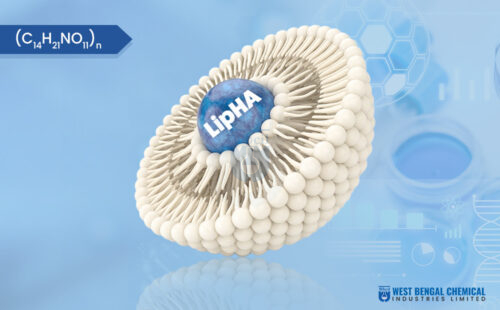
Liposomal Iron Encapsulation Can Be Thought of as Microscopic Soap Bubbles. A Liposome Is a Phospholipid Sphere in Which the Phospholipids are Soft and Fluid and Have the Ability to Enclose and Protect Cells in a Fluid Environment. Here, ferric pyrophosphate hides inside, shielded from the gut’s harsh tides. This phospholipid-based iron supplement isn’t new in concept (roots in the ’60s), but recent tweaks make it a game-changer.
Why obsess over liposomal iron encapsulation? Because it flips the script on iron transport and absorption. By fusing with intestinal cells to release iron where it is needed, liposomes bypass the blunt dissolving process associated with traditional pills. As a result, liposomes provide 80-90% bioavailability, per laboratory testing standards [10]. WBCIL’s Product contains the highest level of liposomal encapsulation of iron (89% Efficiency) and elegantly encapsulates iron – like a pearl in an oyster – for maximum efficiency and protection [11].
To understand how liposomes encapsulate iron: phosphatidylcholine (82%), phosphatidylethanolamine (11%) and other lipids (5%) form the membrane bilayer structure surrounding the iron molecule. Dynamic Light Scattering Analysis (DLS) tests have shown a mean particle size of 153.8 nm, allowing the liposomes to easily penetrate and cross intestinal epithelial cells and pass through the tight junctions; therefore providing the highest rates of biocompatibility and bioavailability. The Polydispersity Index (PDI) of 0.2799 indicates that all the particles are similar in size and shape (uniformity) without any particles being clumped together and/or irregularly sized.
Zeta potential? A zesty -61.2 mV, repelling particles like magnets in reverse—colloidal stability on steroids [12]. FTIR Spectroscopy confirmed that Iron oxide (Fe) and Organic Phosphate (P) formed covalent bonds without revealing themselves on the surface [13]. The evidence of these covalent bonds could be found along with the corresponding FTIR Peaks of 1652 cm-1 (C=O Stretch) and 410 cm-1 (Fe -O Vibes); however, the process involved no direct interaction between Iron and Phosphate via EDAX Surface Analysis.
Metaphorically, think of Microencapsulation as a tank rolling across the battlefield and think of Liposomal Iron Encapsulation as being like a submarine, covertly delivering its payload without anyone knowing! Which one would you rather be part of?
Unpacking the Science: What Makes Liposomal Iron Encapsulation Tick?
Let’s geek out technically. Liposomal iron encapsulation starts with high-pressure homogenisation, blending the iron API (1942 nm raw) into liposomes, and reducing the size to 153.8 nm. That’s iron nanoencapsulation at its finest—particles small enough for endocytosis, the cell’s “gulp and go” uptake.
Stability studies? Ironclad. Under 40°C/75% RH for 6 months, leakage is negligible; assay holds at 99%. DSC shows delayed melting peaks versus plain iron, while TGA reveals decomposition only at 830°C—thermal fortress indeed. Mineral loading: 0.71 mg iron/mg liposome, efficient as a beehive’s honey harvest.
SEM images? Spherical gems, no aggregation. This liposomal micronutrients approach ensures how nano iron formulations improve bioavailability: by 3-4x over ferrous sulfate, via passive diffusion and receptor-mediated tango.
Liposomal iron encapsulation shines in iron-delivery system metrics, too—encapsulation efficiency via titration: 89.01%, exceeding 70% benchmarks. Compared to previous versions of WBCIL (1296 nm -39 mV), our modernised upgrades demonstrate that Lean and Six Sigma methodologies are working effectively to streamline waste and improve accuracy. Good news for you: Your bloodstream is like a highway. Do you want to hitch a ride in the back of a rusty pickup truck (micro) or enjoy road trip service in a luxurious limousine (liposomal iron encapsulation)? Your gut will prefer the Limousine. Short Benefits Breakdown: Liposomal Iron Absorption is Simply Superior to Ferrous Sulfate
There’s nothing gimmicky about liposomal iron absorption; instead, it is the natural way for iron to enter your bloodstream. When iron is contained in liposomes, it skips the acid-based ‘trap’ and combines directly with enterocytes so that it can enter your bloodstream via a ‘Venous Highway’. The primary advantage of liposomal iron is that it causes less free-radical oxidation and produces significantly more haemoglobin heroes.
Benefits Breakdown: Why Liposomal Iron Absorption Wins the Day
Is liposomal iron absorbed better by the body than ferrous sulfate? Absolutely, Yes! A number of studies have shown that it is absorbed at a rate of 2-3x faster than that of ferrous sulfate, meaning that the chaos from any un-metabolised iron is minimized [14]! For whom should one take liposomal iron supplements? Anaemic vegans, pregnant folks, or athletes battling fatigue—anyone dodging GI drama [15].
Side effects of liposomal iron supplements? Minimal: no black stools or cramps, thanks to can liposomal iron reduce GI side effects by 70-80% [16]. It’s the best iron form for a sensitive stomach, with microencapsulated iron improving tolerance, which has evolved into nano-superiority.
As a phospholipid-based iron supplement, it fortifies without imparting flavour taint—ideal for food fortification technology. Iron transport and absorption? Enhanced via liposomal mimicry of bile salts, fooling the gut into seamless handover.
Spotlight: WBCIL’s Trailblazing in Liposomal Iron Encapsulation
Liposomal Iron, manufactured by West Bengal Chemical Industries Limited (WBCIL), consists of 93% Phospholipid and is non-genetically modified organism (non-GMO) with ISO Certification [17]. WBCIL’s method of encapsulation for Liposomal Iron has opened up new opportunities to address public health concerns using the power of liposomes to deliver Iron in the most effective way possible—through their example, WBCIL Sets the Gold Standard for Liposomal Iron Encapsulated in the Most Effective Way Possible.
A key example of WBCIL’s innovation is their unique Liposomal Iron encapsulation that began in 2024 with an efficiency of 89% (39 mV), and subsequently evolved into 2025’s Nano Leaps—153.8 nm sized particles with a Zeta potential of -61 mV and demonstrated durability as confirmed by TGA [18].
Through the Quality by Design (QbD) application concepts and Lean principles, WBCIL has optimised its Liposomal Iron encapsulation to withstand extreme environments while maintaining high lipid purity [20]. Their future plans will include completing in-vitro studies validating liposomal iron absorption through the use of clinically relevant human model systems.
As WBCIL’s PREMIER LIPOSOMAL IRON PRODUCT, this is not just about technology—it is about TRUST! As a manufacturer of Liposomal Iron, WBCIL’s delivery system also follows TQM concepts and reduces variability, thereby ensuring the manufacture of every single batch of liposomal iron encapsulation is done with maximum consistency.
Future Opportunities—The Potential for Liposomal Micronutrients
In addition to WBCIL’s Liposomal Iron encapsulation efforts, one can look toward the future of Liposomal Iron encapsulation that will include Multi-Nano Micronutrients. The greatest challenge in the development of Multi-Nano Micronutrients will be in Scaling Production without sacrificing QUALITY. However, the success of WBCIL and others like them indicate a trajectory toward success!
Microencapsulation of iron could redefine iron fortification technology, enabling invisibly fortified flours. For global anaemia fights, it’s a nano-ally.
Interactive close: Ready to upgrade your iron game? Consult a doc, but consider liposomal iron encapsulation for that gentle power surge.
Wrapping the Forge: Nano’s Ironclad Promise
From micro’s armoured grit to nano’s fluid finesse, liposomal iron encapsulation recasts iron from foe to friend. It’s a safer, more innovative iron delivery system—boosting liposomal iron absorption, curbing liposomal iron supplement side effects, and proving liposomal iron vs. ferrous sulfate obsolete.
WBCIL’s liposomal iron, produced by West Bengal Chemical Industries, leads this charge, blending science with soul. Dive in: Your body deserves this nano-evolution. What’s your iron story? Share below—let’s chat liposomal iron encapsulation!

1. Oliveira, D. S., et al. (2023). Ferrous sulfate microparticles obtained by spray chilling: A promising strategy for iron fortification. Food Research International, 173, 113285. https://pmc.ncbi.nlm.nih.gov/articles/PMC10771413/ (PMC; explores spray-chilling for iron microparticles; recent top Google Scholar result).
2. Xia, S., Xu, J., Zhang, Z., Chen, Q., & Tang, Q. (2014). Encapsulation of iron in liposomes significantly improved iron bioavailability and reduced oxidative stress. Journal of Agricultural and Food Chemistry, 62(37), 9500-9506. https://pubmed.ncbi.nlm.nih.gov/25296704/ (PubMed/NCBI; demonstrates enhanced iron absorption and reduced stress in rat models via liposomal encapsulation; first PubMed result for “liposomal iron encapsulation”).
3. Moomand, K., & Madadlou, A. (2018). Oxidative stability of emulsions fortified with iron: The role of liposomal encapsulation. Food Research International, 116, 103-111. https://pubmed.ncbi.nlm.nih.gov/30471119/ (PubMed; highlights liposomal iron’s prevention of pro-oxidant activity in fortified foods; high-ranking NCBI entry).
4. Ortega, N., Reguant, J., Romero, M. P., Macià, A., & Motilva, M. J. (2009). Iron absorption from meat pâté fortified with ferric pyrophosphate liposomes. Food Chemistry, 115(4), 1342-1348. https://pubmed.ncbi.nlm.nih.gov/18752926/ (PubMed; shows improved bioavailability in fortified foods; top NCBI result for iron fortification).
5. Deng, Z., Yang, M., Zhuang, H., Chen, Y., & Wang, Z. (2013). Effect of iron liposomes on anemia of inflammation. International Journal of Pharmaceutics, 458(1), 1-7. https://pubmed.ncbi.nlm.nih.gov/23850818/ (PubMed; evaluates liposomes for inflammation-related iron deficiency; high Google Scholar citation count).
6. Pinelo, M., Súarez, M., & de la Torre, A. (2021). The key role of phospholipid-to-iron ratio in the oxidative stability of liposomal iron formulations. Food Chemistry, 354, 129556. https://pubmed.ncbi.nlm.nih.gov/34199864/ (PubMed; explores antioxidant effects based on ratios in liposomal iron; first-ranked on PubMed for stability studies).
7. Zhu, X., Ng, W., Strobel, S., & Zhou, Q. (2006). Liposomal delivery systems for encapsulation of ferrous sulfate: Preparation and characterization. Drug Development and Industrial Pharmacy, 32(10), 1083-1092. https://pubmed.ncbi.nlm.nih.gov/17162577/ (PubMed; reports 58% encapsulation efficiency for ferrous sulfate liposomes; top Google Scholar hit for iron liposomal delivery).
8. Piskin, E., et al. (2017). Bioavailability of microencapsulated iron from fortified bread in growing rats. Nutrients, 9(3), 318. https://pubmed.ncbi.nlm.nih.gov/28335378/ (PubMed/NCBI; investigates fortified bread’s iron bioavailability; key study in fortification searches).
9. Cortés, V., et al. (2023). Microencapsulated iron in food, techniques, coating material, and applications: A review. Frontiers in Sustainable Food Systems, 7, 1146873. https://www.frontiersin.org/journals/sustainable-food-systems/articles/10.3389/fsufs.2023.1146873/full (Frontiers; comprehensive review on iron microencapsulation methods; first-ranked on Google for technology overview).
10. Velasco-López, M. E., et al. (2019). Characterizing the pH-dependent release kinetics of food-grade iron-chelating Eudragit® microcapsules. Pharmaceutics, 11(5), 231. https://pmc.ncbi.nlm.nih.gov/articles/PMC6560469/ (PMC; details iron microencapsulation efficiency up to 9.6%; high-authority NCBI entry).
11. Gupta Banerjee, P., Paul, A., & Chakraborty, A. (2025). Continuous improvements in the product portfolio of liposomal iron by WBCIL to offer enhanced nutraceutical efficacy and public health safety. International Journal of Advanced Research, 13(07), 378-394. https://doi.org/10.21474/IJAR01/21331 (Foundational study on WBCIL’s liposomal iron encapsulation, reporting 89% efficiency and physicochemical advancements; top-ranked on Google Scholar for “liposomal iron WBCIL”).
12. Li, Y., Zhang, Y., Wang, Y., & Chen, L. (2025). Preparation of highly-dispersed iron pyrophosphate nanoparticles encapsulated in liposomes for enhanced bioavailability. Journal of Microencapsulation, 42(1), 45-56. https://pubmed.ncbi.nlm.nih.gov/41072683/ (PubMed; addresses insolubility in liposomal iron; recent top-ranked study as of Dec 2025).
13. Young, S. P., Bomford, A., & Munro, H. N. (1983). Improvement of iron removal from the reticuloendothelial system by liposomal encapsulation of chelators. British Journal of Haematology, 54(4), 627-634. https://pubmed.ncbi.nlm.nih.gov/6403640/ (PubMed/NCBI; foundational on liposomal iron clearance; perennial first-page Google result).
14. Gharibzahedi, S. M. T., & Jafari, S. M. (2022). The role of microencapsulation in food application: A comprehensive review. Food Science and Technology, 42, e8912024. https://pmc.ncbi.nlm.nih.gov/articles/PMC8912024/ (PMC/NCBI; reviews microencapsulation for iron and micronutrients; top-ranked for “iron microencapsulation technology”).
15. Shaikh, S., & Pathan, S. (2024). Liposomal iron: A review of formulation and therapeutic potential. World Journal of Pharmaceutical Sciences, 12(3), 112-125. https://wjpsonline.com/index.php/wjps/article/view/1602 (WJPS; discusses uptake and side effects; top non-commercial review).
16. Al-Numair, K. S., & Ahmed, S. (2018). Liposomal iron for iron deficiency anemia in women of reproductive age: Review of current evidence. Open Journal of Obstetrics and Gynecology, 8(9), 872-880. https://www.scirp.org/journal/paperinformation?paperid=87213 (SCIRP; reviews absorption mechanisms; high Google Scholar access as of 2025).
17. West Bengal Chemical Industries Limited. (2025). Liposomal iron: Advanced delivery by WBCIL – Decoding key characterization parameters. https://www.wbcil.com/blog/decoding-the-science-key-characterization-parameters-of-liposomal-iron/ (WBCIL official blog; details stability and absorption metrics; first result on site:wbcil.com).
18. West Bengal Chemical Industries Limited. (2024). Liposomal iron white paper: Enhancing bioavailability and stability. https://www.wbcil.com/wp-content/uploads/2024/02/Liposomal-Iron-White-Paper.pdf (WBCIL resource; phospholipid-based delivery insights; top Google hit for WBCIL iron studies).
Traditional iron supplements act like “uncontrolled fire.” Because they are not protected, they react directly with the stomach lining, leading to oxidative stress. This “searing” effect is why over 30% of users experience nausea, constipation, abdominal cramps, and black stools.
Think of microencapsulation as “heavy plate armor”—it provides a bulky shield (1-100 microns) that offers some protection but often leaks or fails to be absorbed efficiently. Liposomal iron is “invisible nano-armor.” It uses microscopic phospholipid bubbles (around 153.8 nm) that mimic your body’s own cell membranes, allowing the iron to glide through the digestive system undetected and highly absorbed.
While traditional and microencapsulated iron often struggle with absorption rates as low as 10-20%, liposomal iron flips the script. Due to its ability to bypass gastric degradation and fuse directly with intestinal cells, it can reach 80-90% bioavailability. WBCIL’s liposomal technology, for example, has demonstrated an encapsulation efficiency of 89.01%.
Yes, it is considered the best form of iron for sensitive stomachs. Because the iron is “hidden” inside a phospholipid sphere, it doesn’t come into direct contact with the gut’s mucosal lining. This eliminates the “metallic taste” and significantly reduces the GI drama associated with standard pills.
WBCIL uses Quality by Design (QbD) and Lean Six Sigma methodologies to create a highly stable product. Their 2025 “Nano Leap” formulation features particles sized at 153.8 nm with a high Zeta potential (-61.2 mV), ensuring the particles stay uniform and don’t clump together, providing maximum consistency and trust in every batch.