The Bioavailability Breakthrough: Clinical Evidence for Liposomal Vitamin C
Introduction: The “Saturation Ceiling” of Ascorbic Acid
The clinical effectiveness of oral supplementation is fundamentally governed by vitamin C bioavailability. In practical terms, vitamin C bioavailability dictates whether an ingested dose is actually delivered to and utilized by cells or merely eliminated from the body.
Vitamin C plays an indispensable role in multiple physiological processes, including immunity boosting, antioxidant protection, mature collagen synthesis, neurotransmission, endothelial and mitochondrial functioning, and epigenetic regulation.
But it is not produced by our body naturally due to a loss-of-function mutation in the gulo gene encoding L- gulonolactose oxidase, involved in the biochemical pathway synthesizing vitamin C from glucose [1]. Therefore, vitamin C must be obtained through diet and supplements [1, 2]. Yet despite its importance, achieving meaningful systemic levels through oral delivery has always been difficult.
Our body regulates vitamin C bioavailability through protein transporters- SVCT1 and SVCT2 (sodium-dependent vitamin C transporters). These transporters behave less like open gates and more like revolving doors with a strict speed limit. Once intake exceeds roughly 200 mg, saturation begins. Beyond that point, absorption efficiency declines rapidly. The large quantities of standard ascorbic acid that remain unabsorbed create an osmotic load in the intestine, leading to gastrointestinal discomfort [3].
This pharmacokinetic ceiling has driven decades of research toward a more efficient delivery strategy. Liposomal encapsulation represents that breakthrough. By enclosing vitamin C within a phospholipid bilayer, absorption pathways shift from transporter mediated-saturable transport to membrane-mediated uptake.
This article explores the clinical evidence demonstrating up to 4x higher bioavailability of liposomal vitamin C compared to conventional forms and why this shift from dose to delivery is redefining nutraceutical and pharmaceutical formulation science.
Key Takeaways
- Liposomal encapsulation bypasses saturable transport, enabling up to 4 times higher vitamin C bioavailability.
- Membrane-mimicking phospholipids enhance intracellular delivery and retention.
- Sustained plasma levels support immune, dermal, and antioxidant applications.
- WBCIL provides stable, high-performance liposomal vitamin C for capsules, powders, and beverages.

The Pharmacokinetic Challenge: Why Standard Vitamin C Fails
To understand the advantage of liposomal delivery, the limitation of conventional vitamin C must be quantified. Standard oral vitamin C is hydrophilic and depends entirely on active transporter-mediated uptake across enterocytes. That dependence imposes a strict ceiling on vitamin C bioavailability.
The Law of Diminishing Returns
Clinical absorption data show a clear nonlinear pattern [3]:
- ~80–90 % absorbed at < 200 mg
- ~50 % absorbed at 1 g
- <20 % absorbed at multi-gram doses
As dosage increases, transporter saturation reduces fractional absorption. Plasma levels plateau despite higher intake, meaning increasing the dose does not proportionally increase systemic exposure.
This limitation makes conventional vitamin C a poor candidate for therapeutic conditions that demand high absorption vitamin C for sustained or elevated plasma concentrations, such as immune modulation, oxidative stress recovery, and surgical healing.
Ultimately, it is vitamin C bioavailability, and not dose, that defines the physiological impact of vitamin C.
The Liposomal Mechanism: How It Works
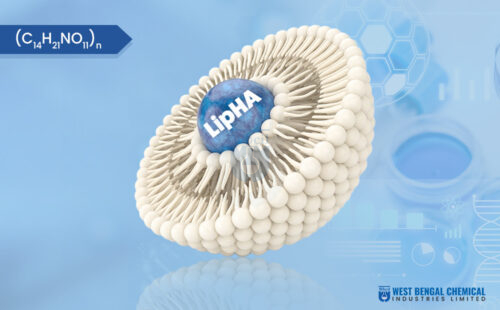
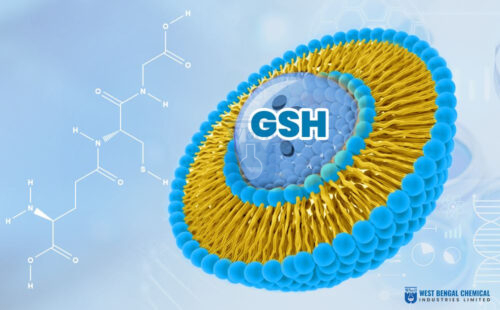
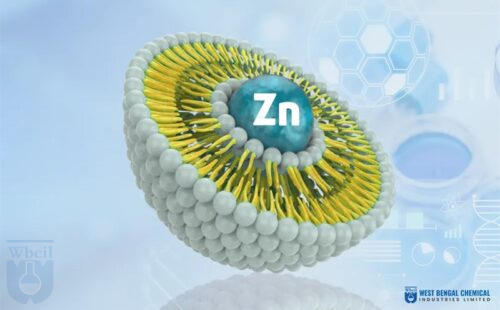
Understanding how liposomal vitamin C works requires recognizing that liposomes are not simply carriers; they are biomimetic delivery systems. A liposome is a nanoscopic vesicle composed of phospholipids identical to those forming human cell membranes.
The “Trojan Horse” Effect
When vitamin C is encapsulated in a properly engineered liposome, absorption dynamics drastically changes. Liposomal encapsulations ensure:
- Protection-The phospholipid bilayer shields ascorbic acid from gastric degradation and oxidative loss.
- Absorption-Liposomes interact with intestinal membranes via fusion, endocytosis, or lymphatic uptake pathways that ultimately bypass SVCT saturation limits.
- Delivery-As liposomes resemble cellular membranes; they can merge with target cells and release vitamin C intracellularly.
This mechanism transforms vitamin C bioavailability from transporter-limited uptake to membrane-mediated delivery. It also allows higher liposomal vitamin C dosage without triggering osmotic intolerance.
Analyzing the Clinical Data: The 4× Advantage
The claim of liposomal vitamin C 4x bioavailability arises from pharmacokinetic comparisons using AUC (area under curve) and Cmax metrics.
Plasma Concentration vs Time
Liposomal vitamin C clinical study outcomes demonstrate:
When equivalent doses of liposomal and standard vitamin C were administered, the liposomal form produced higher plasma concentrations. When systemic exposure over 24 hours was calculated, liposomal delivery achieved up to 4-fold higher vitamin C bioavailability than conventional ascorbic acid [4].
Equally important was kinetic behavior. Standard vitamin C produced rapid peaks followed by decline, while liposomal delivery produced sustained levels-indicating improved retention and slower clearance,
This confirms that the liposomal vitamin C absorption rate is not merely faster-it is more complete and prolonged.
Intracellular vs Plasma Levels
Blood levels alone do not guarantee biological efficacy. Vitamin C must enter cells to support mitochondrial antioxidant systems and collagen synthesis.
Liposomal encapsulation enhances intracellular uptake by facilitating membrane interaction and cytoplasmic delivery. This explains why liposomal formulations are increasingly recognized as the most bioavailable vitamin C oral form that is currently available.
Liposomal Vitamin C vs Regular Vitamin C: A Comparative Analysis
| Parameters | Standard Vitamin C | Liposomal Vitamin C |
| Absorption mechanism | SVCT mediated transport | Membrane fusion / endocytosids |
| Vitamin C bioavailability | Dose-limited | Up to 4× higher |
| Gastric tolerance | Poor at high doses | Excellent |
| Plasma retention | Short | Sustained |
| Cellular uptake | Limited | Enhanced |
| Therapeutic efficiency | Low | High |
This comparison explains why the best liposomal vitamin C supplement commands premium positioning in clinical nutrition markets. It delivers measurable systemic exposure rather than theoretical dose.
Beyond Immunity: Clinical Applications of High Absorption Vitamin C
Improved vitamin C bioavailability expands therapeutic relevance beyond basic supplementation.
Liposomal Vitamin C for Immune Support
The use of liposomal vitamin C for immune support ensures higher cellular antioxidant availability without gastrointestinal compromise.
In a randomised, double-blind, placebo-controlled, crossover trial (NCT04463030), liposomal vitamin C significantly improved plasma ascorbate and cellular antioxidant protection at 2 h post-consumption, which remained elevated at 6 h compared with placebo and regular vitamin C. At 2 h post-liposomal vitamin C intake, the expression of pro-inflammatory markers was significantly downregulated [5].
Thus, oral liposomal delivery provides a practical alternative to intravenous administration by achieving elevated plasma concentrations without infusion.
Liposomal Vitamin C for Skin Health
Collagen synthesis depends directly on vitamin C-dependent hydroxylation reactions. Yet dermal delivery from oral intake is limited by absorption inefficiency.
Liposomal vitamin C significantly improves dermal delivery compared with free vitamin C. In vitro permeation studies show cumulative skin transport reaching 40.1 ± 4.7 µg/cm² for coated liposomal VC vs 19.2 ± 3.2 µg/cm² for conventional liposomes and ~9 µg/cm² for solution, demonstrating markedly higher deposition in deeper layers.
Overall, liposomal encapsulation increased skin permeation by ~1.7–2.1× within 24 h, while also enhancing stability and retention, confirming superior transdermal bioavailability of liposomal vitamin C [6].
Enhanced systemic delivery makes liposomal vitamin C for skin health particularly valuable in nutricosmetic formulations. Sustained plasma levels improve dermal deposition, supporting elasticity and photoprotection.
Clinical Recovery and Oxidative Stress
Vitamin C is a powerful antioxidant and protects the cells from oxidative stress by maintaining and regenerating other antioxidants, such as glutathione and alpha-tocopherol. Due to its high antioxidant potency, vitamin C supplementation for cardiovascular disorders, chronic obstructive pulmonary disease (COPD), and rheumatoid arthritis has increased significantly. At the same time, extremely high doses of vitamin C can act as a pro-oxidant [7], a property extensively exploited in cancer therapy.
Manufacturing Matters: The WBCIL Difference
Not all liposomal ingredients are equivalent. True efficacy depends on structural integrity, encapsulation efficiency, and particle engineering.
West Bengal Chemical Industries Limited operates as a WHO-GMP liposomal ingredient supplier with validated nanotechnology manufacturing processes designed to maximize vitamin C bioavailability.
True Encapsulation
WBCIL employs controlled homogenization and phospholipid assembly to ensure vitamin C resides within the bilayer. This structural integrity is essential for achieving clinically meaningful improvements in liposomal vitamin C absorption rates.
Particle Size Optimization
Liposome diameter strongly influences absorption. WBCIL engineers nanometric vesicles within the optimal biological uptake range, enhancing lymphatic and membrane-mediated transport.
Colloidal stability
Beyond size, liposomal performance depends on colloidal stability, i.e., the ability of vesicles to remain uniformly dispersed without aggregation or fusion. WBCIL optimizes surface charge (zeta potential) through phospholipid composition and process control, creating electrostatic repulsion between vesicles.
Stability Engineering
Liposomes are inherently unstable if poorly formulated. WBCIL’s stabilization strategies maintain vesicle integrity during storage and formulation, ensuring consistent high vitamin C delivery across product formats.
Liposomal Vitamin C for Functional Beverages
Functional beverages represent one of the fastest-growing nutraceutical segments. However, conventional liposomes often destabilize in aqueous systems, leading to separation or potency loss.
WBCIL offers specialized liposomal vitamin C designed for functional beverages, featuring enhanced dispersion stability that enables brands to formulate immune shots, recovery drinks, and wellness beverages. By supplying a high-quality liposomal vitamin C API with validated enhanced vitamin C bioavailability, WBCIL supports beverage manufacturers in substantiating vitamin C efficacy claims while developing next-generation functional drink formats.
This innovation enables beverage formulations to deliver clinically relevant vitamin C exposure rather than symbolic label doses.
Conclusion: The Shift from Dose to Delivery
Nutraceutical science is undergoing a paradigm shift. Increasing dose alone cannot overcome biological transport limits. Efficacy depends on delivery technology.
Clinical evidence consistently demonstrates that vitamin C bioavailability is the decisive factor determining physiological impact. By achieving liposomal vitamin C 4x bioavailability, liposomal encapsulation transforms vitamin C from a commodity nutrient into a precision therapeutic tool.
For pharmaceutical and nutraceutical innovators, selecting a scientifically engineered ingredient partner is essential. As a certified WHO-GMP liposomal ingredient supplier, WBCIL provides advanced delivery systems that maximize vitamin C bioavailability, ensure stability, and enable next-generation functional and therapeutic formulations.
WBCIL also maintains Lipoedge, an educational platform dedicated to liposomal technology and delivery science. The resource explains how liposomes are formed, how encapsulation efficiency is measured, and why membrane stability governs nutrient transport and vitamin C bioavailability.
Lipoedge further describes the analytical tests WBCIL uses to confirm liposome integrity and activity, including particle size analysis, structural stability, and retention of encapsulated nutrients under physiological conditions. These insights help formulators understand how validated liposomal architecture supports high absorption and performance.
By translating liposomal nanotechnology into practical guidance, Lipoedge complements WBCIL’s role as a WHO-GMP liposomal ingredient supplier while advancing informed use of liposomal delivery systems.
The future of vitamin C is not higher dose. It is in smarter delivery.
Contact our team today to know more about our Liposomal vitamin C. https://www.wbcil.com/

- Lykkesfeldt J, Carr AC, Tveden-Nyborg P. The pharmacology of vitamin C. Pharmacological Reviews. 2025 Mar;77(2):100043.
- Gad AAM, Sirko A. L-gulono-γ-lactone Oxidase, the Key Enzyme for L-Ascorbic Acid Biosynthesis. Current Issues in Molecular Biology. 2024 Oct 1;46(10):11057–74.
- MacDonald, L., Thumser, A. E., & Sharp, P. (2002). Decreased expression of the vitamin C transporter SVCT1 by ascorbic acid in a human intestinal epithelial cell line. The British journal of nutrition, 87(2), 97–100. https://doi.org/10.1079/BJN2001492
- Wen CJ, Chiang CF, Lee CS, Lin YH, Tsai JS. Double Nutri (Liposomal Encapsulation) Enhances Bioavailability of Vitamin C and Extends Its Half-Life in Plasma. Journal of Biomedical Nanotechnology. 2022 Mar 1;18(3):922–7.
- McGarry S v., Cruickshank D, Iloba I, Jensen GS. Enhanced Bioavailability and Immune Benefits of Liposome-Encapsulated Vitamin C: A Combination of the Effects of Ascorbic Acid and Phospholipid Membranes. Nutraceuticals. 2024 Nov 12;4(4):626–42.
- Zhou, W., Liu, W., Zou, L., Liu, W., Liu, C., Liang, R., & Chen, J. (2014). Storage stability and skin permeation of vitamin C liposomes improved by pectin coating. Colloids and surfaces. B, Biointerfaces, 117, 330–337. https://doi.org/10.1016/j.colsurfb.2014.02.036
- Pizzino G, Irrera N, Cucinotta M, Pallio G, Mannino F, Arcoraci V, et al. Oxidative Stress: Harms and Benefits for Human Health. Oxidative Medicine and Cellular Longevity. 2017 Jan 27;2017(1).
As liposomal delivery improves vitamin C bioavailability, the effective intake of liposomal vitamin C depends on individual physiological needs, intended health outcomes, and overall formulation context.
Encapsulation reduces gastric irritation and osmotic diarrhea. Reported liposomal vitamin C side effects are minimal compared with high-dose ascorbic acid.
Standard vitamin C relies on transporters. Liposomal delivery uses membrane fusion, achieving higher vitamin C bioavailability and cellular uptake.
Yes. WBCIL manufactures stable liposomal vitamin C for functional beverages that maintains dispersion and potency in liquid systems.
WBCIL is a WHO-GMP certified manufacturer of liposomal ingredients, specializing in nanotechnology-based delivery systems with validated control over particle size, encapsulation efficiency, zeta potential, and dispersion stability. This process-driven consistency ensures reliable performance of liposomal vitamin C across nutraceutical and functional formulation applications.