Why Pellets are the Best Format for Active Lifestyles
A triathlete mid-race reaches for her electrolyte sachet. The zip-lock powder pouch bursts open in the wind. A corporate marathoner swallows his iron tablet at 6 AM — and spends his 8 o’clock meeting fighting nausea. A weekend hiker’s protein shake pre-mixed in a bottle, has separated into an unappetizing sludge by the time she reaches the summit. These are not isolated inconveniences. They are the defining compromise of the active lifestyle supplement market.
Powders are messy. Liquids are bulky and unstable. Standard capsules and tablets release their contents in an all-or-nothing burst that your gut has time for processing before you are back on the trail. And then there are the ‘vitamin burps’ — that unmistakable metallic aftertaste that rises mid-workout courtesy of coated minerals sitting on your tongue rather than in your intestine where they belong.
The physics of the gut demand a smarter format. Absorption is not about what you consume — it is about when where, and at what rate your gut wall encounters an active ingredient. This is precisely where liposomal pellets have benefits that are not theoretical: they are mechanistic. Liposomal pellets represent an engineering solution to the biology of nutrient delivery and combine the precision of pharmaceutical-grade coating with the portability of sachet formatting. For the athlete, the biohacker, the busy executive — the liposomal pellets have benefits that begin the moment the sachet tears open.
Key Takeaways:
- Liposomal pellets benefits center on the multi-particulate advantage, which utilizes hundreds of coated micro-spheres to distribute active ingredients across the small intestine, ensuring a sustained energy release and preventing the “spike-and-crash” common in liquid supplements.
- By combining WBCIL’s Palletization Solutions with advanced coating techniques, manufacturers can effectively mask the harsh metallic taste of minerals and ensure Liposomal Vitamin C pellets stability by maintaining a low water activity that extends shelf life to over 24 months.
- The calcium pellets advantages include a programmed, sequential release that aligns with the body’s natural transport capacity, maximizing bone mineral density support while significantly reducing the gastrointestinal distress and constipation associated with traditional high-dose tablets.

The Science of Sustained Release: Why Pellets Win
Why Pellets Are Better for Sustained Energy Release
The main issue with most sports supplements is dose-dumping: a single large amount of active ingredient released in one spot of the GI tract creating a sharp spike in plasma concentration followed by an sharp crash. Caffeine shots, glucose gels, and liquid iron suspensions all experience this problem. The body’s transporters become saturated. What cannot be absorbed is either eliminated or causes oxidative stress.
Pellets solve this through what formulators call the multi-particulate advantage. Instead of a single tablet releasing 500 mg of an active in one event, a sachet of pellets releases hundreds of micro-spheres — each coated with a time-differentiated polymer — that distribute themselves across multiple segments of the small intestine. The result is a sustained energy release profile rather than a spike. Different pellet populations coated to dissolve at pH 5.5 6.0, and 7.0 , create a programmed cascade of absorption that mirrors the body’s own nutrient uptake rhythm.
Key Insight: Multi-particulate pellets spread out across the intestinal surface area. They maximize transporter availability and stop the ‘spike-and-crash’ that is common with liquid glucose or caffeine shots. This is one of the most significant benefits of liposomal pellets.
How to Boost Absorption of Sports Supplements with Pellets?
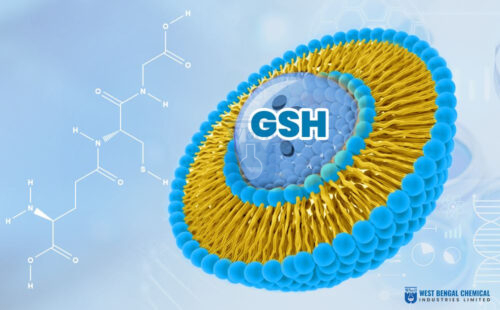
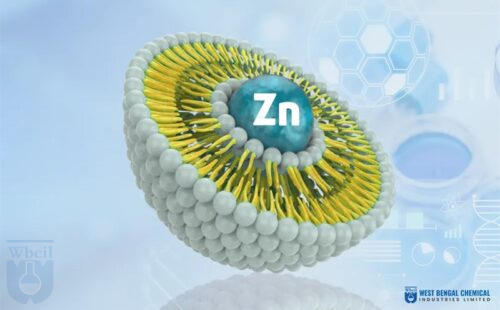
When liposomal technology is fused with pellet architecture, the benefits of liposomal pellets multiply. Liposomes — phospholipid bilayer vesicles that mimic the structure of cell membranes — encapsulate the active ingredient at the nano-scale. This encapsulation protects the API from gastric acid and enzymatic degradation in the stomach. When the pellet’s outer polymer coat dissolves at the target intestinal pH, the liposome is released and undergoes direct membrane fusion with enterocytes (intestinal cells) bypassing the conventional transporter pathways.
This mechanism has particular criticality for soluble or low-bioavailability nutrients. Conventional iron supplements, for instance, achieve 10–20% absorption.
Liposomal iron pellets offer an advantage: they have absorption efficiencies that can reach 50–70%, because the lipid envelope makes direct cellular uptake easier rather than competitive transporter-mediated absorption. For athletes focused on recovery and oxygen-carrying capacity, this difference is not trivial — it is the difference between supplementing with effect and supplementing with expense.
Stability and Convenience: The Sachet Revolution
Stability of Liposomal Pellets in Sachet Formatting: The chemistry of the sachet is often underestimated. A sachet is not just a handy pouch — it is a controlled micro-environment. The right sachet material — a multilayer foil laminate with moisture vapor transmission rates (MVTR) below 0.05 g/m²/day — creates a hermetically stable chamber that has protection for pellets from humidity, oxygen and light at the same time.
Solid-state pellets have a lower water activity (aᵥ) than liquid or suspension formats. Water activity has governance over almost every degradation pathway: oxidation, Maillard browning enzymatic hydrolysis and microbial growth all accelerate with increasing aᵥ.
A liposomal pellet in a sealed sachet can maintain an aᵥ below 0.3 — far below the 0.6 threshold at which most degradation reactions accelerate . This is why liposomal pellets have benefits in terms of shelf life that exceed 24 months, compared to 6–12 months for liquid liposomal formulations.
Liposomal Vitamin C Pellets Stability: A Case Study
Vitamin C (L-ascorbic acid) is among the most unstable vitamins in existence. It is sensitive to light (photolytic degradation), oxygen (oxidation to dehydroascorbic acid), heat (thermal degradation), and moisture (hydrolytic ring-opening) all at once. Liquid Vitamin C formulations regardless of pH buffering or chelation strategies lose 30–50% of potency within 3 months of production.
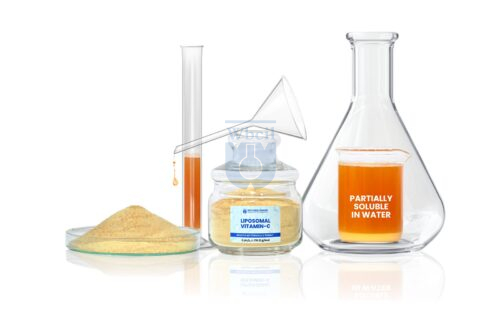
Liposomal Vitamin C pellets stability addresses all four degradation vectors at once. The phospholipid bilayer of the liposome acts as a physical barrier to oxygen diffusion and reduces the oxidative degradation rate constant by up to 80% relative to aqueous solution.
The dry solid matrix of the pellet eliminates the water activity that drives hydrolysis. The opaque sachet and outer polymer coating of each pellet block UV and visible light. The result is that Liposomal Vitamin C pellets stability can be validated at 40°C/75% RH (ICH Zone IVb accelerated conditions) with less than 5% potency loss at 6 months — a performance benchmark that no liquid Vitamin C product on the market can meet.
For sports nutrition brands targeting antioxidant recovery immune support, and collagen production, Liposomal Vitamin C pellets stability is not a technical footnote — it is the commercial differentiator.
Overcoming the Sensory and Production Barriers
Using Coating to Mask Taste in Sports Nutrition APIs
Taste masking is where pellet technology earns its reputation as ‘cellular stealth.’ The metallic bitterness of ferrous sulfate, the astringency of zinc bisglycinate, the chalky mouthfeel of calcium carbonate — these sensory liabilities are the primary reason consumers abandon mineral supplements after the first week of use.
Conventional tablet coatings provide a thin film — 50 to 100 microns — that saliva can defeat within seconds. A pellet coating architecture is different. Each micro-sphere receives a multi-layer coating: first a sub-coating of HPMC (hydroxypropyl methylcellulose) to seal the API surface; then a functional barrier layer of Eudragit E100 or Kollicoat IR that is pH-responsive — permeable in the intestine (pH 6.0+) but impermeable in the mouth (pH 6.5 to 7.4, though with enzymatic activity that the polymer resists).
What is the Result?
The end result is a pellet that can rest on the tongue for 30 seconds without releasing a single milligram of the active ingredient. This is the engineering that turns liposomal pellet benefits into something real for consumers who have endured years of iron supplements that taste like pennies. Using coating to mask the taste in sports nutrition APIs is not a cosmetic feature — it drives compliance. Supplements that taste acceptable get taken. Supplements that taste metallic get abandoned.
Challenges of Manufacturing Liposomal Pellets vs Liquid
Understanding why the benefits of liposomal pellets are worth the investment in engineering requires a clear look at the production challenges of liposomal pellets versus liquid. A liquid liposomal product is, on the surface, simpler to make: mix phospholipids and API in an aqueous buffer, apply high-pressure homogenization, fill into bottles. The challenge is not production — it is preservation.
Every day the liposome exists in aqueous suspension, it faces hydrolytic cleavage of the phosphodiester bonds, Ostwald ripening (small vesicles dissolving and contributing to larger aggregates), and oxidative degradation of the unsaturated fatty acid tails.
- Liposomal pellets require a more complex manufacturing sequence: liposome preparation, spray-drying or fluid-bed granulation to convert the aqueous dispersion into a dry powder without collapsing the vesicle structure blending with excipients, extrusion and spheronization to form the pellet core and multi-stage coating in a fluid-bed coater.
- Each stage introduces a critical quality attribute (CQA) that must be controlled: vesicle size distribution (target: 100–300 nm), encapsulation efficiency (target: >80%), pellet sphericity (Carr’s index < 15) and coating uniformity (weight gain CV < 3%). Manufacturing Complexity vs.
- Product Performance The manufacturing challenges of liposomal pellets vs liquid are real but directional: the added complexity at the production stage has a direct translation into superior stability superior bioavailability, and superior consumer experience at the point of use.
WBCIL’s Palletization Solutions are engineered to handle this complexity at commercial scale. Calcium Pellets AdvantagesCalcium absorption is constrained by two biological ceilings: transporter saturation and vitamin D availability. Standard calcium carbonate tablets deliver 500–1000 mg per dose and overwhelm the intestinal calcium-sensing machinery.
The excess calcium stays in the lumen and causes constipation. It may also , raise cardiovascular risk through calcification of arterial walls. The strengths of calcium pellets lie in controlled sequential release.
- A pellet formulation that delivers 100 mg calcium per discrete micro-dose group — with five groups releasing at 30-minute intervals — presents calcium to the gut at a rate that active transport (transcellular pathway via TRPV6 channels and calbindin-D9k) can handle well.
The strengths of calcium pellets thus turn into higher net absorption per gram given lower constipation rates, and better bone mineral density support for the active person.
- Bone Health Insight: Calcium pellets have advantages that include programmed release. This aligns with intestinal transport capacity — it maximizes skeletal deposition rather than urinary excretion or luminal retention.
- For aging athletes who manage bone density, this precision matters. WBCIL: Leading the Liposomal Pellets Manufacturer India Scene West Bengal Chemical Industries Limited (WBCIL) occupies a unique position in the Indian pharmaceutical and nutraceutical production ecosystem.
As a WHO-GMP certified API manufacturer with 16 registered patents that cover nanoparticle formulation and liposomal encapsulation technologies, WBCIL’s Palletization Solutions are not assembled from off-the-shelf equipment and generic excipients — they are engineered from first principles.
WBCIL’s Palletization Solutions integrate pharmaceutical-grade Quality by Design (QbD) at every stage of the pellet lifecycle. The development of formulations begins with Design of Experiments (DoE) mapping the relationship between process variables (inlet air temperature, atomization pressure, spray rate) and critical quality attributes (vesicle size, encapsulation efficiency, pellet sphericity).
- Scale-up follows ICH Q8(R2) guidelines to ensure that the pilot batch performance predicts commercial batch performance — a consistency that generic pellet manufacturers in India achieve.As a leading liposomal pellets manufacturer India, WBCIL holds encapsulation efficiency benchmarks above 80% and validates zeta potential (-25 to -40 mV) as a stability surrogate for every batch.
- The WBCIL nanoparticle formulation expertise covers liposomal iron liposomal Vitamin C liposomal B-complex, calcium, magnesium, and zinc pellet systems — spanning the full spectrum of high-demand sports nutrition actives.
For B2B partners looking for a liposomal pellets manufacturer India that can deliver sachet-ready validated formulations at commercial scale — with complete regulatory dossiers for FSSAI, EU, and US market submissions — WBCIL’s Palletization Solutions represent the most advanced and practical choice in the Indian market.
WBCIL Credentials at a Glance
- WHO-GMP Certified API Manufacturer
- 16 Patents in Nanoparticle Formulation & Liposomal Technology
- Encapsulation Efficiency: >80% across all pellet systems
- Zeta Potential Validated: -25 to -40 mV (stability assured)
- Regulatory Dossiers: FSSAI EU, US market-ready
- Commercial-scale sachet-ready pellet manufacturing
Moving Beyond Generic Supplements: The Pellet Promise
The athlete who has experienced a burst powder sachet, a leaking liquid shot, or a day’s training derailed by iron-induced nausea is not asking for a better-tasting supplement. She is asking for a supplement format that keeps up with her.The liposomal pellets benefits answer that ask at the molecular, cellular, and physiological level at the same time — precision delivery, zero gastric drama, and chemistry that works with the physics of the gut rather than against it. The shift from bulk format to bioavailability-optimized format is not incremental.
It is a categorical upgrade in how the active lifestyle consumer relates to supplementation. When the sachet tears and hundreds of coated micro-spheres dissolve in sequence across the intestinal surface — they release liposomal Vitamin C at the brush border calcium at the mid-jejunum, iron at the distal ileum — the supplement is no longer in opposition to the body. It is synchronized with it.
WBCIL’s Palletization Solutions make this synchronization manufacturable at scale.Whether you are formulating a premium sachet for elite athletes, a clean-label mineral blend for health-conscious professionals, or a differentiated private-label line for the sports nutrition retail market — the liposomal pellets benefits available through WBCIL’s manufacturing platform translate into products that perform as labeled.
Partner with WBCIL today to develop your next sachet-ready pellet formulation. Our formulation scientists, QbD engineers, and regulatory affairs team are ready to build your next high-performance product from the molecule up.
Ready to Develop Your Pellet Formulation?
Contact WBCIL’s Palletization Solutions team to begin your product development journey. From feasibility assessment to commercial batch manufacturing — we engineer supplements that keep up with your consumers.

- https://www.mdpi.com/2076-3417/14/17/7718
- https://vav.in/wp-content/uploads/2026/01/Liposomal-Supplements-for-Nutrition-Health-R1-11.12.25.pdf
- https://www.researchgate.net/publication/398190084_Liposomal_Technology_An_Approach_to_Overcome_Bioavailability_Changes_of_Foods_and_Nutraceuticals
- https://pmc.ncbi.nlm.nih.gov/articles/PMC12686999/
- https://pmc.ncbi.nlm.nih.gov/articles/PMC12718472/
- https://rjpdft.com/AbstractView.aspx?PID=2009-1-3-3
- https://www.wbcil.com/blog/how-vitamin-b6-pellet-coating-technology-is-changing-formulation/
- https://www.allmultidisciplinaryjournal.com/uploads/archives/20240714145157_B-24-111.1.pdf
- https://www.researchgate.net/publication/288917798_Recent_technological_advancements_in_multiparticulate_formulations_The_smart_drug_delivery_systems
- https://www.wbcil.com/product-type/liposomal-technology/
- https://www.scirp.org/journal/paperinformation?paperid=87213
- https://insight.jci.org/articles/view/128013
- https://pmc.ncbi.nlm.nih.gov/articles/PMC8950124/
- https://pmc.ncbi.nlm.nih.gov/articles/PMC12878294/
- https://www.wbcil.com/blog/how-wbcil-integrates-dc-grades-pellets-and-liposomal-technologies/
Unlike liquids, pellets offer liposomal pellets benefits including higher stability, sachet portability, and zero risk of leaking during physical activity. The pellet format enables sustained energy release through multi-particulate distribution across intestinal segments, avoiding the ‘spike-and-crash’ common with liquid glucose or caffeine shots. Additionally, liposomal pellets benefits extend to ambient-temperature stability, meaning no refrigeration is required — a critical practical advantage for athletes training outdoors or traveling.
Liposomal Vitamin C pellets stability is superior because the dry, pelletized format minimizes water activity (aᵥ), which is the primary driver of Vitamin C oxidation and hydrolytic degradation. In a sealed sachet, the pellets maintain an aᵥ below 0.3, compared to aᵥ > 0.85 in liquid formulations. This suppression of water activity dramatically slows all major degradation pathways — oxidation, photolysis, and hydrolysis — allowing Liposomal Vitamin C pellets stability to be validated at 24+ months shelf life under ICH accelerated testing conditions.
Yes. Through advanced multi-layer coating techniques, a liposomal pellets manufacturer India like WBCIL can encapsulate the API within a lipid shell and then apply a pH-responsive polymer overcoat that remains impermeable in the oral cavity (pH 6.5–7.4) but dissolves in the intestine (pH 6.0+). This ‘cellular stealth’ mechanism ensures the active ingredient — particularly metallic minerals like ferrous iron or zinc — releases exclusively in the gut, never on the tongue. Compliance rates for taste-masked mineral pellets are demonstrably higher than for conventional iron tablets.
Calcium pellets advantages include controlled, sequential release that prevents the saturation of intestinal calcium transporters (TRPV6 and calbindin-D9k). By delivering calcium in discrete micro-dose cohorts across multiple intestinal segments, pellet technology ensures that active transcellular transport — the high-affinity, vitamin D-dependent pathway — remains engaged rather than being bypassed in favor of the lower-efficiency paracellular route.
WBCIL’s Palletization Solutions integrate pharmaceutical-grade Quality by Design (QbD) with deep WBCIL nanoparticle formulation expertise developed over decades and protected by 16 patents. The result is pellets with validated uniform size (100–300 nm liposome core), high encapsulation efficiency (>80%), and analytically confirmed zeta potential (-25 to -40 mV) as a surrogate for long-term physical stability.
As a WHO-GMP certified liposomal pellets manufacturer India, WBCIL delivers commercial-scale production with full regulatory dossiers, distinguishing our Palletization Solutions from contract manufacturers who offer pellet capabilities without the underlying liposomal science.