Calcium and Magnesium Ratio for Bone Health
The calcium and magnesium ratio for bone health represents the cornerstone of modern osteology and skeletal nutrition. For decades, the focus of bone health was singular: more calcium. However, as clinical data matures, we have learned that high-dose calcium alone is not a magic bullet; achieving the optimal calcium and magnesium ratio for bone health is important. It is no longer just a matter of combining two minerals; it is about engineering a biological environment where mineralization thrives without systemic side effects.
At West Bengal Chemical Industries Limited (WBCIL), we believe that skeletal integrity depends on the “Goldilocks” principle, i.e., finding the ratio that is “just right.” As a leading nutraceutical grade mineral premix manufacturer, we specialize in the molecular precision required to balance these competing yet synergistic cations.
Key Takeaways:
- Beyond Calcium Monotherapy: Relying on high-dose calcium alone can lead to the “Calcium Paradox,” where minerals deposit in soft tissues and arteries rather than the skeleton; achieving a balanced calcium and magnesium ratio for bone health is essential to direct mineralization toward the bone matrix.
- The “Goldilocks” Precision: While a 2:1 ratio was the historical standard, modern dietary deficiencies often require a shift toward a 1.5:1 or 1:1 ratio to prevent competitive inhibition and ensure magnesium can effectively activate the enzymes required for bone building.
- The Intelligent Matrix: Peak bone mineralization requires a synergistic “Nutraceutical Matrix” where calcium and magnesium work alongside Vitamins D3 and K2, ensuring that calcium is absorbed into the blood and successfully “locked” into the hydroxyapatite crystals of the bone.

The Paradox of Calcium Monotherapy in Osteology
For years, the standard response to declining bone density was aggressive calcium supplementation. However, this “calcium-centric” approach led to what clinicians now call the “Calcium Paradox.” When the calcium and magnesium ratio for bone health is ignored, and calcium is administered as monotherapy, the mineral often fails to reach the skeletal matrix.
Instead of strengthening bone, excess calcium can deposit in soft tissues, such as the arterial walls and kidneys, potentially increasing the risk of cardiovascular calcification.
This happens because, without the correct calcium-magnesium balance, bone mineral density cannot be maintained; the body lacks the “navigational tools” to direct calcium into the hydroxyapatite crystals of the bone. This systemic “misdirection” highlights why a standalone calcium supplement is often insufficient for long-term skeletal health.
Defining the “Goldilocks” Ratio: 2:1 vs. Modern Perspectives
The most common question in nutraceutical design is: “What is the best calcium to magnesium ratio for bone mineral density?” Historically, a calcium magnesium ratio 2:1 vs 1:1 which is better for bone health has been the subject of intense debate. While the 2:1 ratio (e.g., 1000 mg Calcium to 500 mg Magnesium) was once the industry gold standard, modern dietary patterns are shifting the conversation.
Many researchers now argue that because our modern diets are chronically low in magnesium, a 1:1 or 1.5:1 optimal calcium-magnesium intake ratio may be more effective for restoring cellular balance. If you are wondering whether high calcium levels reduce magnesium absorption from supplements, the answer is a definitive yes.
These two minerals compete for the same transport pathways in the intestines. If the calcium to magnesium ratio in supplement is too heavily weighted toward calcium, magnesium absorption is suppressed, leading to a functional deficiency that impairs bone formation..
The Biochemistry of Bone Mineralization
To understand why the calcium and magnesium ratio for bone health is so critical, we must look at the cellular level. Magnesium is not just a “support” mineral; it is a primary regulator of the mineralization process.
- Alkaline Phosphatase Activation:
Magnesium is a required cofactor for alkaline phosphatase, an enzyme essential for forming new bone crystals - Osteoblast Proliferation:
Magnesium stimulates the activity of osteoblasts (bone-building cells) while regulating the impact of parathyroid hormone (PTH), which can otherwise trigger bone resorption - Transport Regulation:
Magnesium acts as a “gatekeeper” for calcium, controlling the influx and efflux of calcium across cell membranes
Without a stable calcium-magnesium matrix for bone mineralization, the structural integrity of the bone becomes brittle. WBCIL’s magnesium API is designed to ensure that these enzymatic processes remain at peak performance.
Designing the Nutraceutical Matrix: Beyond Just Minerals
A high-performance calcium-magnesium nutraceutical formulation is never just about two ingredients. To create a truly “intelligent” formula, one must understand how to design a formula with optimal calcium and magnesium ratio for bone health.
To design a nutraceutical matrix, these two minerals can be paired with vitamins such as D3 and K2. To understand, calcium is the “brick,” Vitamin D3 is the “loader” that brings it into the blood, and Vitamin K2 is the “foreman” that ensures the bricks are laid in the bone rather than the arteries.
When we develop a calcium, magnesium, zinc and vitamin D, K2 formulation for peak bone mineralization, we are creating a comprehensive calcium- magnesium matrix for bone mineralization. This synergy ensures that the calcium and magnesium ratio for bone health works in harmony with the body’s hormonal and enzymatic signals.
Bioavailability and Chelation Science
The form of the mineral is just as important as the calcium to magnesium ratio supplement. Traditional formulations often use inorganic salts like Calcium Carbonate or Magnesium Oxide. While these traditional options are cost-effective, they often suffer from poor solubility and fail to provide the precise calcium-magnesium balance and bone mineral density support required for effective skeletal remodelling.
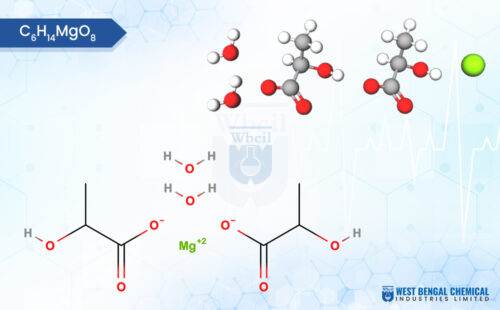
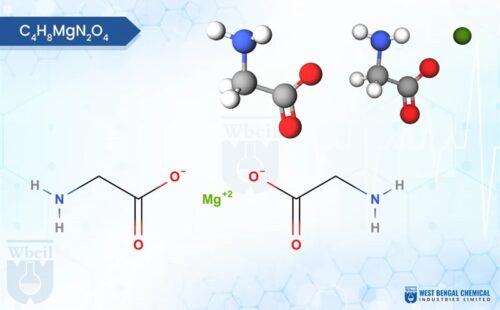
WBCIL’s formulation expertise allows us to provide organic chelates such as Bisglycinates and Malates. These organic forms do not rely on high stomach acid for dissociation, which minimizes gastrointestinal distress. Furthermore, calcium-magnesium supplement timing for better absorption is a critical factor for formulators to consider. Taking these minerals in smaller, divided doses throughout the day prevents the saturation of transporters and ensures a steady, optimal calcium-magnesium ratio in the plasma.
WBCIL utilizes nutraceutical grade mineral premix to ensure that every batch meets pharmaceutical-grade purity.
Clinical Implications for Bone Mineral Density (BMD)
Longitudinal studies have consistently shown that an optimal calcium-magnesium intake ratio is more predictive of fracture risk than calcium intake alone. Achieving a balanced calcium-magnesium balance bone mineral density profile helps prevent the development of “Milk-Alkali Syndrome,” a condition caused by high calcium intake that leads to hypercalcemia and metabolic alkalosis.
By using a precise calcium-magnesium nutraceutical formulation, brands can offer products that support the “long-distance” health of the skeleton. In the debate of calcium-magnesium ratio 2:1 vs 1:1, which is better for bone health, the clinical reality is that individual needs vary, but a balanced calcium to magnesium ratio supplement consistently provides the best safety profile for long-term use.
Conclusion: Engineering the Future of Skeletal Health
The science of the calcium and magnesium ratio for bone health has evolved from simple supplementation to sophisticated molecular engineering. To achieve peak bone mineralization, formulators must maintain the optimal calcium to magnesium ratio for bone mineral density.
From understanding what nutrients help calcium go to bones to mastering calcium and magnesium ratio for bone health, WBCIL provides the scientific backbone for next-generation products. Whether you are building a calcium, magnesium, zinc, vitamin D and K2 formulation for peak bone mineralization or a high-stability liquid, WBCIL’s calcium API and WBCIL’s magnesium API offer unmatched consistency.
As a global nutraceutical grade mineral premix manufacturer, WBCIL is dedicated to helping brands navigate the complexities of the calcium and magnesium ratio for bone health. By integrating calcium-magnesium nutraceutical formulation precision with biological insight, we ensure that your products don’t just sit on the shelf, they perform in the bone.
By focusing on the calcium and magnesium ratio for bone health, WBCIL helps brands create a future where skeletal health is as precise as it is powerful.
Partner with WBCIL today to revolutionize your bone health portfolio. https://www.wbcil.com/

While 2:1 was the traditional standard, modern Western diets are often magnesium-deficient, leading a shift toward a 1:1 or 1.5:1 optimal calcium-magnesium intake ratio
Yes. High-dose calcium causes competitive inhibition at the TRPM6/7 transporters in the intestines. If a calcium to magnesium ratio supplement is too calcium-heavy, it “crowds out” magnesium, reducing its bioavailability and potentially destabilizing the calcium magnesium balance.
WBCIL utilizes organic chelates because they offer superior solubility and reduced gastrointestinal irritation compared to traditional salts.
Magnesium acts as a natural calcium channel blocker, directing minerals toward the skeletal matrix rather than soft tissues. By maintaining a precise calcium-magnesium matrix for bone mineralization, magnesium prevents the “Calcium Paradox” and ensures minerals adhere to bone rather than depositing in arterial walls.
Yes. Pediatric needs focus on rapid bone accretion, requiring a specific calcium and magnesium ratio for bone health to support growth. Geriatric formulations prioritize maintenance and preventing “Milk-Alkali Syndrome”