The ATP Edge: Liposomal Glutathione & Magnesium Synergy
Modern sports science has moved beyond simple caloric loading, pivoting instead toward the molecular precision required to protect mitochondrial integrity during extreme exertion. In this high-stakes environment, optimizing glutathione for athletes has transitioned from a secondary recovery trend to a fundamental metabolic necessity for those balancing peak energy output with cellular defense.
Endurance athletics, whether it’s a marathon or a century ride, place an extraordinary physiological stress on the mitochondria. This creates constant energy demand, leading to a massive influx of oxygen and the production of reactive oxygen species (ROS) that can damage the very cellular machinery that powers the cell.
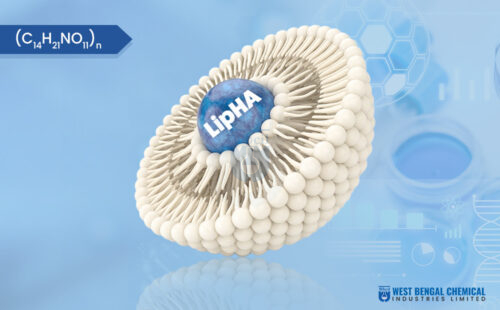
By combining the highly bioavailable mineral chelate, magnesium bisglycinate, and the “Master Antioxidant,” glutathione, for athletes’ high-endurance activity, a metabolic synergism is achieved. Liposomal encapsulation further enhances this dual-action pathway by simultaneously shielding the cell from ROS and fueling ATP production.
Key Takeaways:
- The “Mg-ATP” Power Requirement: Biological energy (ATP) is functionally useless for muscle contraction unless it is bound to Magnesium. Magnesium Bisglycinate acts as the essential “key” that unlocks ATP, ensuring the energy produced in the mitochondria is actually available to the athlete’s muscle fibers.
- Mitochondrial Protection (The Shield): High-intensity aerobic exercise generates a massive influx of reactive oxygen species (ROS) that damage cellular machinery. Liposomal Glutathione acts as a systemic shield, neutralizing oxidative stress and preventing “mitochondrial fatigue,” which allows for higher sustained workloads and faster recovery.
- The Liposomal Advantage: Standard supplements often fail due to poor absorption and GI distress. Utilizing a biomimetic lipid bilayer (liposomal delivery) allows these nutrients to bypass digestive degradation and move directly into the bloodstream, ensuring the “molecular precision” required for elite performance is actually achieved.

The Bioenergetics of Endurance: ATP and the Mitochondria
To understand why maintaining the level of glutathione for athletes is crucial, we must look at the Krebs cycle. As mitochondria perform oxidative phosphorylation to create energy, they inevitably leak electrons, creating ROS [1]. This “oxidative debt” isn’t just a byproduct; it’s a performance killer. When ROS levels outpace the body’s natural defense systems, it leads to lipid peroxidation, which causes premature muscle fatigue and a drop in power output.
The Role of Glutathione in Mitochondrial Defense
The primary reason to use glutathione for athletes is that it neutralizes ROS before they can destabilize the energy-producing chain. The role of glutathione for endurance athletes is particularly vital because it maintains the structural integrity of these “cellular power plants.”
When evaluating the efficacy of glutathione for athletes, the delivery mechanism is the most critical factor in determining whether the antioxidant actually reaches the mitochondria. The following table highlights the technical differences between traditional oral forms and the advanced systems engineered by WBCIL.
Bioavailability Comparison: Liposomal vs. Regular Glutathione
| Feature | Regular Glutathione | WBCIL’s Liposomal Glutathione |
| Metabolic Pathway | Broken down into constituent amino acids in the gut. | Bypasses first-pass metabolism |
| Protective Barrier | Vulnerable to enzymatic degradation in the digestive tract. | Shielded within a biomimetic lipid bilayer. |
| Absorption Mechanism | Relies on limited, saturable transporters. | Enables direct membrane fusion and endocytosis for higher uptake. |
| Cellular Delivery | Rarely reaches the bloodstream or cells intact. | Facilitates significantly higher cellular uptake and targeting. |
| Impact on Athletes | Variable results due to low bioavailability. | Consistent performance |
Magnesium Bisglycinate for Nerve and Muscle: The Structural Catalyst
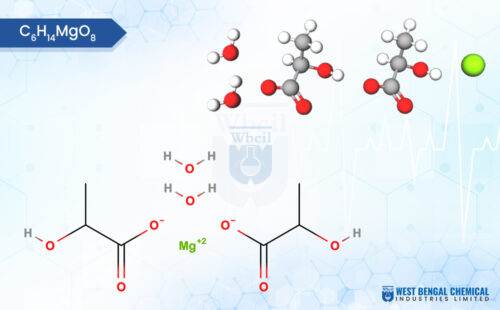
While glutathione for athletes protects the energy plant, magnesium bisglycinate ensures the electricity actually flows. We utilize the bisglycinate form because magnesium is bound to two molecules of glycine [2]. This chelation shields the magnesium from reacting with other phytonutrients and prevents the GI distress (laxative effect) commonly associated with magnesium oxides or citrates.
Magnesium bisglycinate regulates the neuromuscular function [3] by maintaining the electrical gradient across cell membranes through the “Sodium-Potassium Pump,” which allows for smooth muscle contraction and nerve stimulation.
Magnesium as a Co-factor in ATP Synthesis
It is a little-known biological fact that ATP (Adenosine Triphosphate) cannot be utilized by the body in its “naked” form. It must exist as Mg-ATP. Magnesium acts as a co-factor that “unlocks” the energy within the ATP molecule. Without sufficient magnesium, your muscle fibers literally cannot spend the energy they produce, regardless of how much oxygen you take in.
Enhancing Aerobic Capacity (VO2 Max) and Performance
The impact of liposomal glutathione in endurance performance extends to the blood itself. Supplementation with glutathione for aerobic capacity enhancement is linked to the protection of red blood cell (RBC) membranes. Intense exercise increases the fragility of RBCs; glutathione prevents this oxidative damage, ensuring that the “oxygen delivery trucks” remain intact and functional during peak exertion [4].
Research suggests that by maintaining the glutathione redox balance and aerobic capacity mechanisms, athletes can sustain higher workloads for longer periods before hitting the “wall.” When paired with magnesium’s ability to optimize cardiac output efficiency, the result is a significant boost in VO2 max and overall stamina.
Post-Exertion Recovery: Mitigating Damage and DOMS
Magnesium Bisglycinate for Muscle Soreness and DOMS Recovery
Magnesium plays a critical role in reducing glutamate-induced excitotoxicity-a state where nerves remain over-stimulated after a hard session. Using magnesium bisglycinate for DOMS recovery helps facilitate protein synthesis and tissue repair, effectively “shutting off” the pain signals and allowing the muscle fibers to relax and rebuild [5].
Clearing the Metabolic “Sludge”
The use of glutathione antioxidant for athletic recovery is essential for the liver’s phase II detoxification. During a race, the body accumulates metabolic “sludge”, i.e., lactic acid, ammonia, and oxidized proteins. The importance of glutathione for athletes lies in its ability to remove these byproducts. This is why glutathione is a staple for multi-day stage racers like cyclists, runners recovering from oxidative stress; it speeds up the “clearing” process so you can go again the next morning.
Clinical Applications for the Endurance Athlete
Dosage and Timing: To achieve peak performance, the administration of magnesium bisglycinate and glutathione for athletes must be handled with the same precision as a training taper. Rather than following a generic “one-size-fits-all” approach, magnesium bisglycinate and glutathione supplementation dosage and timing for athletes should be phased according to the metabolic demands of the competitive calendar.
Synergy Table: The Shield and Fuel Strategy
| Biological Function | Liposomal Glutathione Role | Magnesium Bisglycinate Role |
| ATP Production | Protects mitochondrial machinery | Essential co-factor (Mg-ATP) |
| Nerve Signaling | Prevents neuro-inflammation | Regulates neurotransmitters |
| Muscle Recovery | Reduces systemic inflammation | Relaxes fibers & prevents cramps |
| Bioavailability | High | High (Amino Acid Chelate) |
Conclusion
The “Shield and Fuel” strategy, which positions Glutathione for Athletes as the primary cellular protector and magnesium as the essential power catalyst, represents the next frontier in performance nutrition. By transitioning toward high-bioavailability, lipid-based delivery systems, competitive athletes can finally overcome the absorption hurdles and “bioavailability barriers” that have historically compromised the efficacy of traditional supplementation.
As a leading liposomal nutraceutical ingredient manufacturer, West Bengal Chemical Industries Limited (WBCIL) is dedicated to this evolution. Through WBCIL’s liposomal glutathione, we provide the scientific backbone that allows athletes to reach their true genetic potential. In the high-stakes world of endurance sports, the winners will be those who understand the electric, and antioxidant, language of biology.
For more deep dives into the science of absorption, visit Lipoedge, WBCIL’s dedicated knowledge platform for advancing liposomal science.
Partner with WBCIL today to develop next-generation formulations.

1.Zhao, R. Z., Jiang, S., Zhang, L., & Yu, Z. B. (2019). Mitochondrial electron transport chain, ROS generation and uncoupling (Review). International journal of molecular medicine, 44(1), 3–15.
2.Uberti, F., Morsanuto, V., Ruga, S., Galla, R., Farghali, M., Notte, F., Bozzo, C., Magnani, C., Nardone, A., & Molinari, C. (2020). Study of Magnesium Formulations on Intestinal Cells to Influence Myometrium Cell Relaxation. Nutrients, 12(2), 573.
3. Kirkland, A. E., Sarlo, G. L., & Holton, K. F. (2018). The Role of Magnesium in Neurological Disorders. Nutrients, 10(6), 730.
4.Kwon, D. H., Cha, H. J., Lee, H., Hong, S. H., Park, C., Park, S. H., Kim, G. Y., Kim, S., Kim, H. S., Hwang, H. J., & Choi, Y. H. (2019). Protective Effect of Glutathione against Oxidative Stress-induced Cytotoxicity in RAW 264.7 Macrophages through Activating the Nuclear Factor Erythroid 2-Related Factor-2/Heme Oxygenase-1 Pathway. Antioxidants (Basel, Switzerland), 8(4), 82.
5. Reno, A. M., Green, M., Killen, L. G., O’Neal, E. K., Pritchett, K., & Hanson, Z. (2022). Effects of Magnesium Supplementation on Muscle Soreness and Performance. Journal of strength and conditioning research, 36(8), 2198–2203.
The glycine bond acts as a “passport,” allowing the magnesium to be absorbed through amino acid pathways rather than competing for mineral transporters. This leads to higher absorption and zero “emergency” bathroom trips during a run.
Absolutely. In fact, they are synergistic. Magnesium and glutathione for athletes protect the cell while fueling the energy output within that cell. There are no known contraindications; they work better as a team.
While some notice a reduction in “heavy legs” within days, it typically takes 2–4 weeks of consistent supplementation with glutathione for endurance athletes to reach cellular saturation and see measurable changes in VO2 max or recovery times.
Yes. Cramping is often a failure of the neuromuscular “stop” signal. Magnesium regulates the calcium-induced contraction of muscles, helping them relax and preventing the involuntary firing that causes cramps
No. Glutathione is a naturally occurring tripeptide found in almost every cell of your body. It is fully compliant with WADA (World Anti-Doping Agency) guidelines. Using glutathione for athletes is simply a way to support your body’s natural defense system against the extreme stress of competition.
After prolonged physical exertion, glutathione neutralizes reactive oxygen species (ROS) produced during the Krebs cycle, effectively preventing the lipid peroxidation of mitochondrial membranes and allowing them to recover and maintain efficient ATP production without suffering from premature fatigue or permanent oxidative damage.