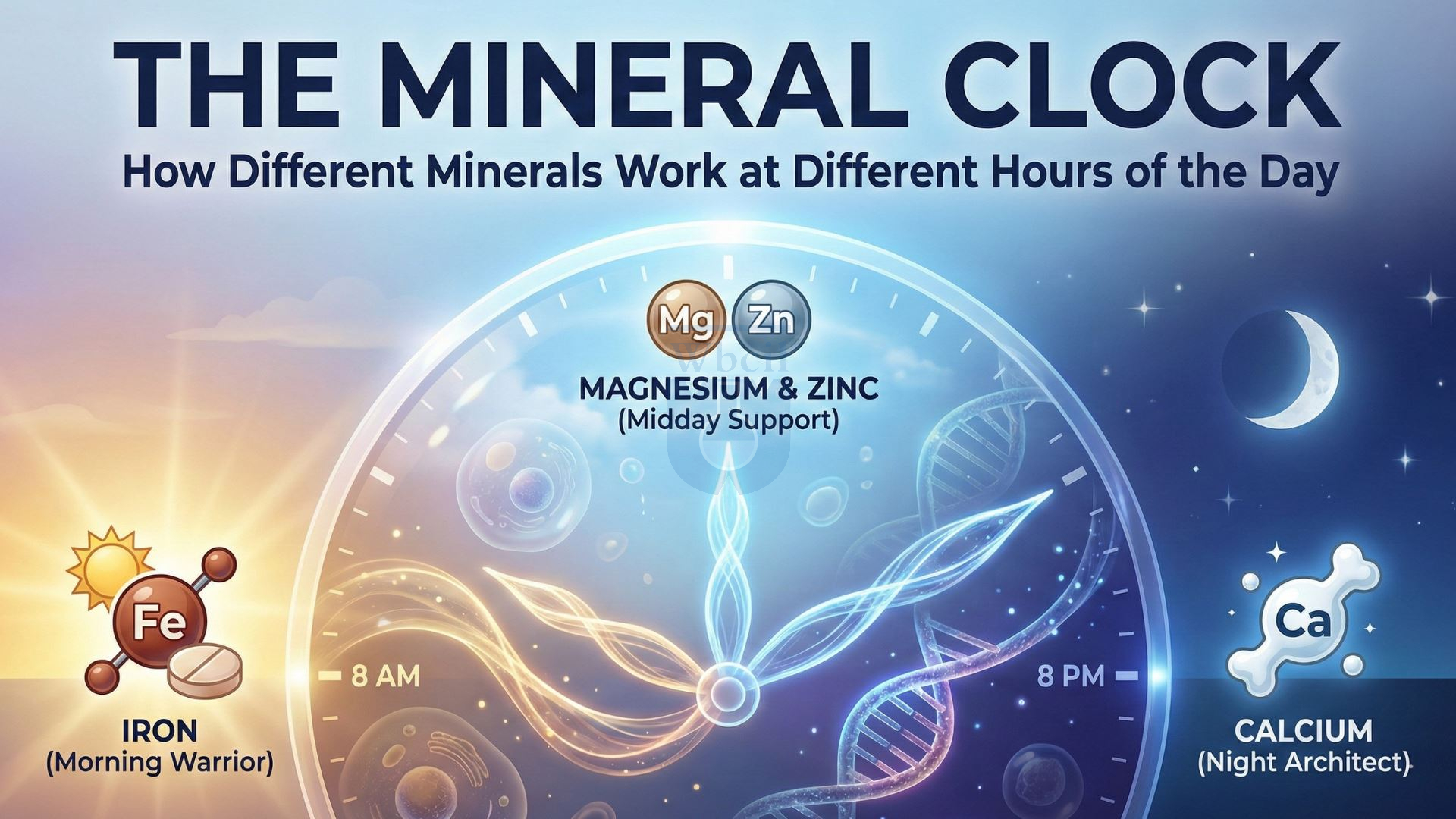
The Mineral Clock: How Different Minerals Work at Different Hours of the Day
You wouldn’t down a double espresso right before tucking yourself into bed. Nor would you likely pop a sleeping pill with your morning toast. We instinctively respect timing when it comes to caffeine or heavy medication, yet we treat minerals like a generic item on a checklist. We swallow them whenever we remember, operating on the assumption that 500 mg of Calcium is the same biological entity at 8:00 AM as it is at 8:00 PM.
Science says otherwise.
Your body isn’t just a static bucket you pour ingredients into; it is a rhythmic, biological machine governed by the circadian rhythm and minerals interact with this rhythm in profound, often overlooked ways. Every single cell in your anatomy possesses a “clock” gene. These internal timekeepers regulate everything from hormone spikes to digestion speed, and—crucially—they dictate exactly when your system is ready to absorb, use, or expel specific nutrients.
For nutraceutical brands and the health-conscious consumer, grasping the nuances of mineral timing isn’t just a clever bio-hack. It is often the difference between expensive urine and actual cellular repair.
Key Takeaways:
Circadian Impact on Absorption: Your body’s internal clock regulates digestion and hormone levels, meaning minerals like Iron and Calcium are absorbed much more effectively at specific times of day rather than randomly.
Strategic Timing: To maximize efficacy, Iron should be taken in the morning (when hepcidin is low) and Calcium in the evening (to prevent nocturnal bone loss), while minerals like Zinc must be separated from others to avoid competition.
Formulation Matters: For nutraceutical manufacturers, understanding these biological rhythms is crucial for developing “AM/PM” specific blends using high-stability salts that survive the digestive tract’s changing environment.
The Science of Circadian Biology and Nutrition
“Chrononutrition” is the buzzword exploding across medical journals right now. It explores the intricate relationship between circadian rhythm and nutrition, suggesting that when you eat is just as critical as what you eat.
It starts in the brain. The master clock, known as the Suprachiasmatic Nucleus (SCN), coordinates with “peripheral clocks”. It is located in your liver, gut, and kidneys. These organs shift gears as the day progresses. Gastric acid levels, kidney filtration rates, and even the transport proteins lining your gut fluctuate on a 24-hour cycle. Consequently, the bioavailability of your mineral supplements changes based on the position of the sun.
Let’s break down the “Mineral Clock” for the industry’s four heavy hitters: Iron, Calcium, Magnesium, and Zinc.
1. Iron: The Morning Warrior
If there is one mineral that demands a strict itinerary, it is iron. The best time to take iron for best absorption is, without a doubt, the morning.
This is due to a hormone called hepcidin. Think of hepcidin as a gatekeeper that locks the doors to your bloodstream, blocking iron entry. Hepcidin levels follow a strict circadian curve: they are lowest in the morning and rise steadily throughout the afternoon.
By taking iron in the AM hours—specifically on an empty stomach—you sneak the mineral in while the gatekeeper is off-duty. Attempting this at night means fighting your body’s natural blockade, which usually results in poor absorption and that familiar gut inflammation.
Pro Tip: Pair that morning dose with Vitamin C. It lowers gastric pH, making the iron more soluble.
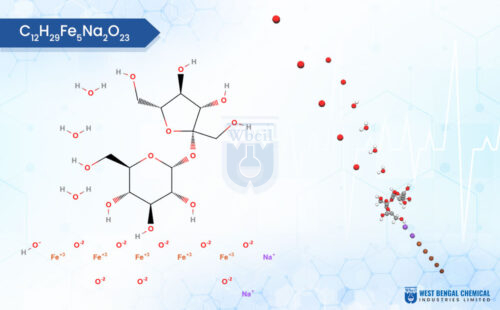
WBCIL Edge: We manufacture high-bioavailability salts like Liposomal iron, Ferrous Bisglycinate, Ferrous Ascorbate and more iron APIs specifically to be gentle, even during that sensitive morning window.
2. Calcium: The Night Architect
While iron chases the sunrise, calcium does its heavy lifting in the dark. The best time to take calcium is typically the evening.
Your bones aren’t solid, lifeless rocks; they are living tissue that is constantly being remodeled. The process of bone resorption—where bone is broken down—peaks at night while you sleep, driven by the circadian rhythm of the parathyroid hormone.
By scheduling your calcium intake with dinner or right before bed, you provide a fresh supply of calcium to the blood exactly when your body would otherwise start stealing it from your skeleton. It essentially suppresses nocturnal bone loss. Just remember that calcium needs stomach acid to break down, so always take it with food rather than on an empty stomach at midnight.
3. Magnesium: Your Flexible Friend
You may wonder that when I should take magnesium supplements? Here is the answer for you- The best time to take magnesium is often debated because this mineral wears two hats.
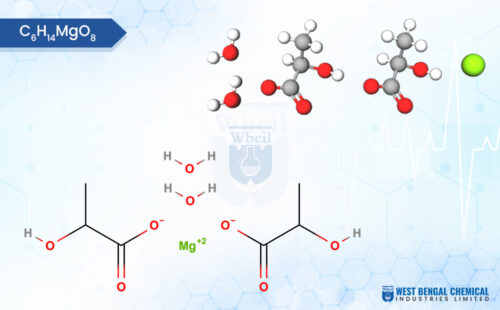
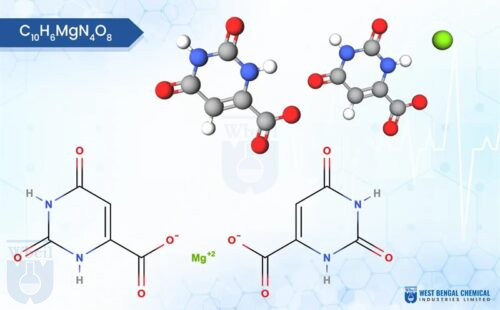
Magnesium is a cofactor for ATP production in the mitochondria (energy), but it is also a GABA agonist (relaxation). If you are taking Magnesium bisglycinate or Citrate for metabolic support, the morning is fine.
However, if the goal is relaxation and recovery, evening time is preferable. Magnesium helps lower cortisol and relax muscle fibers, priming the nervous system for deep sleep.
Most experts lean toward the PM schedule because it aligns with the body’s natural drop in blood pressure.
4. Zinc: The Immune Sentinel
When considering the timing of zinc for health, worry less about the clock and more about your stomach lining.
Zinc is notoriously harsh. While absorption is technically most efficient in a fasted state (morning), this almost guarantees severe nausea for many people. The smarter strategy is to take zinc 1-2 hours after a meal, like lunch.
Crucially, keep it away from your high-dose calcium or iron. These minerals fight for the same transport channels in the gut. If you flood the system with all three at 8:00 AM, zinc is usually the one that gets left behind.
Why “When” Matters for Manufacturers?
For a mineral salts manufacturer for nutraceuticals like WBCIL, this science isn’t just trivia; it’s a blueprint for innovation.
WBCIL just doesn’t sell white powders. We research and develop salts that respect human biology.
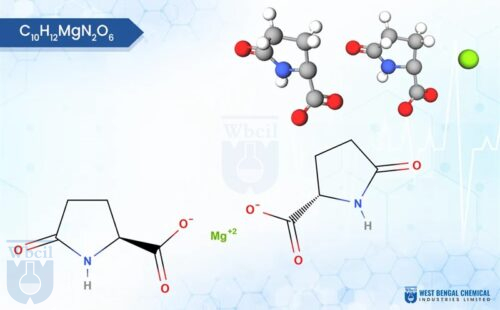
Our Iron Isomaltoside and Ferric Carboxymaltose are engineered for extreme stability, ensuring they survive stomach acid regardless of when the patient takes them. Similarly, our Calcium Gluconate and Magnesium Bisglycinate offer superior solubility, making them effective even for patients with compromised digestive rhythms.
When you are formulating a “PM Recovery” blend or an “AM Energy” mix, you need an API partner who understands that the chemical structure of the mineral must match the physiological intent of the final product.
Conclusion
The human body is a finely tuned orchestra, and minerals are the instruments. You cannot play a lullaby on a trumpet, and you shouldn’t force iron into a system that has closed its gates for the night. By respecting the mineral absorption clock, we turn simple supplementation into precise medical intervention.
At West Bengal Chemical Industries Limited (WBCIL), we produce the high-purity mineral salts that power these interventions. Whether you are developing a sleep aid or an anemia treatment, our science-backed ingredients ensure your product works in harmony with the human clock.

-
Circadian rhythms of mineral metabolism in chronic kidney disease–mineral bone disorder. (PubMed Central) Read the study: https://pmc.ncbi.nlm.nih.gov/articles/PMC7688082/
-
Effect of dietary factors and time of day on iron absorption. (PubMed) Read the study: https://pubmed.ncbi.nlm.nih.gov/37357807/
-
Circadian Regulation of Bone Remodeling. (MDPI / PubMed Index) Read the study: https://www.mdpi.com/1422-0067/25/9/4717
-
Effect of Circadian Rhythm Disturbance on the Human Musculoskeletal System. (MDPI) Read the study: https://www.mdpi.com/2072-6643/15/3/734
You can, but it isn’t efficient. Minerals like Calcium and Iron compete for absorption sites. Taking them together significantly reduces the effectiveness of both. It is scientifically better to space them out.
For the majority of people, evening is best. It supports muscle relaxation and sleep quality. However, athletes may find post-workout supplementation effective for immediate replenishment.
Yes. Gastric emptying, blood flow to the gut, and liver enzyme activity all follow a 24-hour cycle. Digestion is generally robust during the day and slows down significantly at night.
Zinc triggers the release of stomach acid. On an empty stomach, this acid irritates the sensitive lining of the gut, causing nausea. Taking it with a small amount of protein usually solves this.
WBCIL is a dedicated mineral salts manufacturer for nutraceuticals and pharmaceuticals. We operate our own state-of-the-art manufacturing facilities in Kolkata and Dahej, ensuring complete control over purity and quality.