Targeted BDNF Support And Absorbed Magnesium in Cognitive Longevity
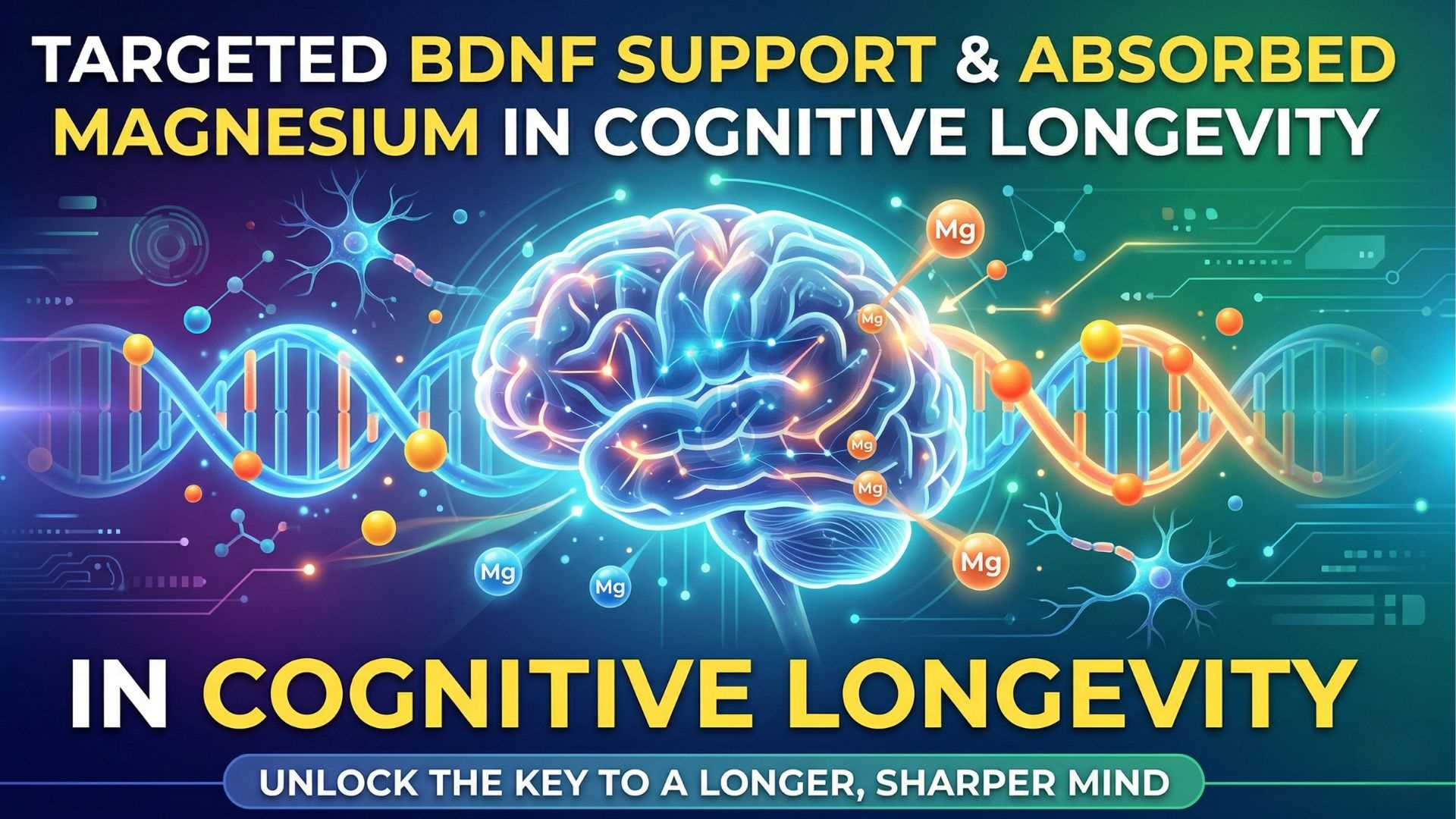
Modern neuroscience has identified a critical “electric language” within our biology. At the center of this dialogue is the synergy between magnesium and BDNF support, a relationship that dictates how our brains adapt to stress and age. While many understand the basic benefits of minerals, magnesium and BDNF support go far beyond a simple supplement claim; they are molecular necessities for synaptic health. To truly harness the benefits of magnesium, we must move beyond generic salts and look toward highly absorbed magnesium for brain health that can actually penetrate the blood-brain barrier (BBB).
The Neuroplasticity Crisis: Understanding BDNF Deficiency
In the complex architecture of the human brain, Brain-Derived Neurotrophic Factor (BDNF) acts as a literal growth factor. It is often described as the “fertilizer” for neurons, essential for the survival of existing brain cells and the growth of new ones [1]. BDNF is the primary driver of Long-Term Potentiation (LTP), the process by which synaptic connections are strengthened, forming the physical basis of memory [1].
When BDNF levels drop, we face a “neuroplasticity crisis.” Low levels of this protein are clinically linked to age-related cognitive decline, chronic stress, and mood disorders. Without adequate magnesium and BDNF support, the brain loses its ability to repair and rewire itself. This is why magnesium supplementation for BDNF has become a focal point in cognitive health [2]. By ensuring the brain has the right tools, we can mitigate the impact of neuro-exhaustion and promote long-term mental resilience.
Key Takeaways:
- Overcoming the Bioavailability Bottleneck: High-performance magnesium forms like Magnesium Pidolate and L-Threonate are essential because they are uniquely capable of crossing the blood-brain barrier to elevate magnesium levels in the cerebrospinal fluid.
- Molecular Gatekeeping for Neuroplasticity: Magnesium serves as a critical regulator of the NMDA receptor, ensuring controlled calcium influx that directly triggers the expression of the BDNF gene for neuronal growth and repair.
- Synergistic Cognitive Resilience: Integrating highly absorbed magnesium into a daily regimen amplifies the brain-building benefits of exercise and creates a protective buffer against stress-induced neuroinflammation and age-related cognitive decline.
Magnesium and BDNF Support: The Molecular Mechanism
When we talk about magnesium and BDNF support, we are actually referring to the interaction between magnesium and the NMDA (N-methyl-D-aspartate) receptor [2]. The NMDA receptor is a gatekeeper for calcium influx into the neuron, a process that, if left unregulated, leads to excitotoxicity and cell death [3]. Magnesium ions (Mg 2+) provide a “voltage-dependent block” that ensures calcium only enters the cell when the signal is strong enough, preventing “background noise” in the brain.
Mg 2+ + NMDA Receptor Controlled Calcium Influx
The bioavailability of highly absorbed magnesium for brain health in sufficient concentrations optimizes this gating mechanism. This controlled influx of calcium triggers a signaling cascade that upregulates the expression of the Bdnf gene. Therefore, the role of magnesium for neuroplasticity support isn’t just about preventing damage; it is about actively signaling the brain to produce more growth factors.
Crossing the Blood-Brain Barrier (BBB)
The “Bioavailability Bottleneck” is the greatest hurdle in brain nutrition. Many traditional supplements, such as magnesium citrate or magnesium oxide, show that while these forms might help with digestion or muscle cramps, they rarely move the needle on cerebrospinal fluid (CSF) levels. To achieve your label claim “magnesium and BDNF support”, the mineral must cross the Blood-Brain Barrier (BBB).
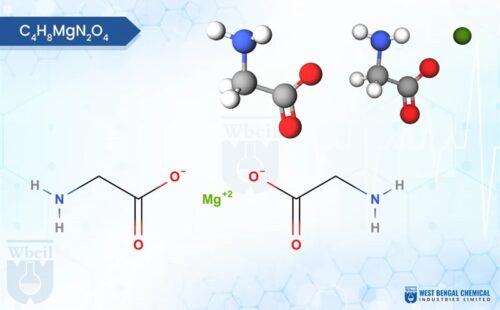
This is where the profile of different magnesium forms for absorption becomes critical. Forms like Magnesium L-Threonate or Bisglycinate are considered the “gold standard” for neuro-penetration. Unlike inorganic salts, these chelates are recognized by specific transport pathways, allowing for highly absorbed magnesium for brain health to reach the amygdala and hippocampus. When comparing magnesium L-threonate vs magnesium glycinate for brain health, both offer superior pathways compared to oxide, but L-threonate is specifically documented for its unique ability to efficiently elevate brain magnesium concentrations [4].
Synergistic Effects: Magnesium, Exercise, and BDNF
Exercise is the most potent natural stimulator of BDNF. However, magnesium acts as the necessary catalyst for this exercise-induced spike. Without magnesium for neuroplasticity support, the metabolic demands of physical activity can actually deplete mineral stores, blunting the neurogenic benefits of the workout.
Magnesium supplementation for BDNF ensures that the “Up-regulation” of the TrkB receptor, the primary binding site for BDNF [1]. This synergy means that using nutraceutical magnesium for cognitive health makes every minute of workout twice as effective for the brain. It bridges the gap between physical movement and mental clarity, reinforcing why magnesium and BDNF support are a holistic requirement for athletes and ageing populations alike.
Clinical Evidence: Memory, Focus, and Anxiety
Human clinical trials have begun to validate what molecular biology suggested: intake of highly absorbed magnesium for brain health leads to measurable improvements in executive function. Subjects using magnesium and neuroinflammation targeting protocols show better recall and faster processing speeds.
Furthermore, the “Anxiolytic Effect” of magnesium is profound [5]. By modulating the Hypothalamic-Pituitary-Adrenal (HPA) axis and reducing neuroinflammation, this mineral helps the brain maintain resilience against cortisol. Magnesium supplementation for BDNF creates a buffer, preventing stress from “shutting down” the production of new neurons. If you are looking for the best absorbed magnesium form for cognitive health nutraceutical formulation, clinical data points to organic chelates that maintain stable plasma levels without the GI distress common with lower-tier salts.
Formulation Strategies for the 2026 “Brain-Health” Market
As we look toward the 2026 market, the trend is moving away from “mega-dose” supplements toward “precision-delivery” systems. West Bengal Chemical Industries’ magnesium salts are at the forefront of this shift, providing the raw materials for next-generation nootropics. By combining magnesium with other neuro-actives like Lion’s Mane or Bacopa, formulators can create multi-pathway BDNF support systems.
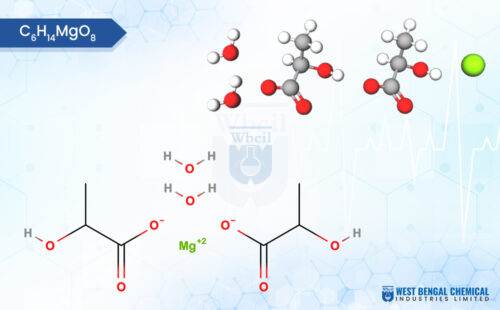
Magnesium Pidolate is a high-performance magnesium form that supports the Krebs cycle while delivering the mineral to the CNS. For manufacturers, choosing a reliable magnesium pidolate API supplier is essential. West Bengal Chemical Industries’ magnesium salts ensure that these APIs meet the rigorous standards required for pharmaceutical and high-end nutraceutical applications.
As a leading magnesium pidolate manufacturer for nutraceutical and pharma applications, WBCIL provides the purity and consistency needed to turn “magnesium and BDNF support” from a concept into a shelf-ready reality.
Conclusion: Magnesium as a Pillar of Neuroprotection
Ultimately, prioritizing the synergy between magnesium and BDNF support represents a foundational shift toward proactive neuro-maintenance, where mineral bioavailability dictates cognitive longevity. By utilizing highly absorbed magnesium for brain health, we are not merely treating symptoms of “brain fog”-we are addressing the underlying molecular architecture of the mind.
Magnesium for neuroplasticity support is the foundation upon which memory, mood, and cognitive longevity are built.
Whether you are a formulator looking for a magnesium pidolate API supplier or a consumer seeking the best absorbed magnesium form for cognitive health nutraceutical formulation, the evidence is clear: magnesium supplementation for BDNF is non-negotiable.
Through the expertise of West Bengal Chemical Industries’ magnesium salts, we can ensure that the “electric language of biology” is spoken clearly, protecting our most valuable asset-our brain.
Quick Guide to Magnesium and BDNF Support
| Parameter | Traditional Salts (Oxide/Sulfate) | Highly Absorbed Magnesium (Chelates/Pidolate) |
| BBB Penetration | Minimal | High |
| BDNF Induction | Negligible | Clinically Significant |
| Neuroinflammation | No Direct Effect | Reduces magnesium and neuroinflammation |
| Digestive Comfort | Often Causes Laxative Effect | High GI Tolerance |
| Market Relevance | Generic / Low-Cost | Premium / Cognitive Specific |
For those looking to innovate, partnering with a specialized magnesium pidolate manufacturer for nutraceutical and pharma applications ensures your products deliver on the promise of synergism between magnesium and BDNF support. In the evolving landscape of brain health, nutraceutical magnesium for cognitive health is the bridge to a sharper, more resilient future.
To elevate your formulation strategy and bridge the gap between advanced molecular science and market-ready products, explore the full range of high-purity minerals and innovative delivery platforms at our website: https://www.wbcil.com/.

1. Bathina, S., & Das, U. N. (2015). Brain-derived neurotrophic factor and its clinical implications. Archives of medical science: AMS, 11(6), 1164–1178.
2. Afsharfar, M., Shahraki, M., Shakiba, M., Asbaghi, O., & Dashipour, A. (2021). The effects of magnesium supplementation on serum level of brain derived neurotrophic factor (BDNF) and depression status in patients with depression. Clinical nutrition ESPEN, 42, 381–386.
3. Jewett, B.E. and Thapa, B. (2022). Physiology, NMDA Receptor. [online] PubMed
4. Zhang, C., Hu, Q., Li, S., Dai, F., Qian, W., Hewlings, S., Yan, T. and Wang, Y. (2022). A Magtein®, Magnesium L-Threonate, -Based Formula Improves Brain Cognitive Functions in Healthy Chinese Adults. Nutrients, 14(24), p.5235.
5. Macías-Carballo, M., Rosas-Navarro, S., López-Meraz, M. L., Beltran-Parrazal, L., & Morgado-Valle, C. (2021). Anxiolytic effect of chronic intake of supplemental magnesium chloride in rat. Behavioural brain research, 413, 113460.