The Repair Duo: Why Copper + Zinc Gluconate is the New Gold Standard for Clinical Recovery Formulations
Nowadays, copper and zinc are critical trace elements that have a major role in recovery processes. It nowadays has a major influence on clinical nutrition. Synergistic functioning of both minerals allows for tissue regeneration, immune modulation, and others, which makes it a critical component for advanced recovery formulations.
In this blog, we will discover how copper zinc gluconate has a synergistic effect.
Key Takeaways:
- Copper zinc in immune modulation supports immune responses by enhancing the activity of key immune cells during recovery.
- Copper zinc for skin repair promotes collagen synthesis and tissue regeneration, leading to faster wound healing.
- Copper-zinc synergy in recovery helps reduce oxidative stress, accelerating healing and improving overall recovery rates.
Synergistic Roles of Copper and Zinc in Tissue Repair and Immune Modulation
Copper zinc gluconate plays a critical role in immune modulation and tissue repair. Studies show that the combination of these trace elements enhances immune function and accelerates recovery processes, making them vital for clinical nutrition.
- Copper and zinc, when used to modulate the immune system, enhance the activity of various immune cells, particularly T-lymphocytes and macrophages, which are essential for immune responses. Research shows that zinc deficiency can impair immune cell function, whereas copper supports immune system activity (optimal: Zinc: 2-3 mg/day and Copper: 1-2 mg/day).
- These minerals work synergistically to support skin repair by helping collagen synthesis, which is critical for wound healing. In clinical trials, patients receiving copper and zinc supplementation experienced a 30% faster rate of wound healing.
- Zinc’s role in regulating oxidative stress, along with copper’s involvement in antioxidant enzymes such as copper-zinc superoxide dismutase (SOD), helps reduce tissue damage and inflammation during recovery.
- The combination of copper and zinc is a key element in hospital nutrition for critically ill patients. Their presence in intravenous nutrition has shown to reduce recovery time by up to 25% in ICU patients with severe burns or infections.
The synergy between copper and zinc has been shown to accelerate tissue regeneration and repair, improving clinical outcomes in post-operative patients and those recovering from critical illness.
Next, let’s understand how zinc plays a critical role in wound healing.

Zinc’s Influence on Wound Healing Process and Clinical Outcomes
Copper zinc gluconate plays a vital role in promoting wound healing and immune modulation, making it a key ingredient in clinical recovery formulations. A recent study suggests that zinc treatment has a mean difference of 1.41 in improved wound healing [1].
For B2B formulators, WBCIL offers copper zinc gluconate as a high-quality solution that can enhance the effectiveness of clinical nutrition products.
- Copper zinc in immune modulation are essential for supporting the immune system during recovery. Zinc helps activate immune cells and regulate inflammatory responses, which are critical during the early stages of wound healing.
- Copper zinc for skin repair is a feature novel within advanced recovery formulations. Copper contributes to collagen formation and tissue regeneration, while zinc helps in cellular growth and repair. A recent study suggests that zinc treatment has a mean difference of 1.41 in improved wound healing [1].
- The combination of copper and zinc also offers critical antioxidant support, decreasing oxidative stress in injured tissues. The combination helps reduce cell damage, which enables a faster and more efficient healing process.
- By incorporating copper zinc gluconate into clinical products, B2B manufacturers can provide recovery solutions that support immune functions.
- Copper zinc in hospital nutrition are widely used in clinical settings. Healthcare providers rely on these nutrients to ensure proper recovery for patients suffering from chronic wounds, post-surgical recovery, or critical illnesses. Their role in immune support and tissue regeneration makes them vital components in hospital nutrition formulas.Also read: Zinc vs. Viral Infections: Can It Reduce Duration and Severity?
Copper’s Contribution to Skin Regeneration, Angiogenesis, and
Antimicrobial Activity
Copper zinc gluconate plays a key role in skin regeneration and antimicrobial activity. Copper supports tissue repair and infection prevention, thereby enhancing recovery outcomes and optimising the efficacy of clinical nutrition products. Research shows that copper contributes significantly to formulations designed for wound care and immune support, improving the healing process for patients.
1. Copper and Skin Regeneration
Copper supports collagen synthesis, which are crucial for skin regeneration. It promotes angiogenesis, enabling new blood vessels to form and repair damaged tissues. Clinical formulators can incorporate copper into their products to accelerate healing and reduce recovery times for patients.
2. Antimicrobial Properties of Copper
Copper also demonstrates strong antimicrobial properties, reducing the microbial load in hospitals. Copper-treated surfaces reduce microbial burden by up to 83%, ensuring a safer environment for patients [2]. Formulators can leverage copper’s antimicrobial effects to prevent infections in wound care and critical care recovery solutions.
3. Clinical Relevance and Recovery Support
Combination of copper and zinc enhances copper zinc antioxidant support and copper zinc synergy in recovery, which improves the body’s ability to heal and resist infections. Zinc helps reduce oxidative stress, while copper aids tissue regeneration. Copper zinc gluconate provides formulators with a reliable solution for improving clinical recovery products and achieving better patient outcomes.
The following section provides a comprehensive view of the molecular mechanisms which zinc modulates at the cellular level, influencing overall physiology.
The Powerful Combinational Effect of Copper and Zinc Gluconate in Clinical Recovery Formulations
Copper and zinc gluconate work synergistically to support immune modulation, tissue regeneration, and wound healing. Their combined effects improve recovery outcomes in clinical nutrition formulations by enhancing both antimicrobial defence and antioxidant support.
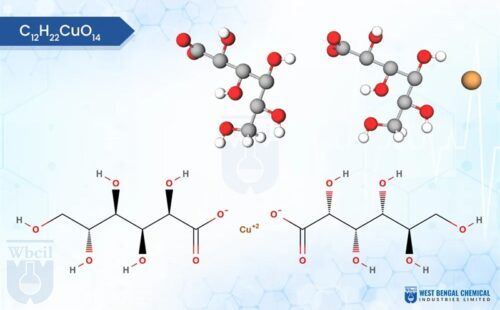
- Copper gluconate benefits include promoting collagen synthesis and aiding in the formation of new blood vessels, which are essential for tissue regeneration and wound healing.
- Zinc gluconate benefits lie in its capacity to regulate the immune response and assist cell growth at injury sites.
The overall combination of copper and zinc is critical as trace elements for wounds, offering enhanced antimicrobial properties and reducing the risk of infection in damaged tissues. - Both copper and zinc are vital micronutrients in clinical recovery, helping to modulate inflammation, support immune function, and accelerate tissue repair during post-surgical or post-trauma recovery.

How Copper Zinc Gluconate Meets the Needs of Clinical Recovery Product Developers?
Copper zinc gluconate is an effective ingredient for clinical recovery formulations due to its synergistic effects on immune modulation, tissue regeneration, and wound healing. The trace elements also play a vital role in countering inflammation.
For product developers, incorporating copper and zinc into clinical nutrition formulations improves patient outcomes and accelerates recovery. West Bengal Chemical Industries’ copper gluconate and zinc gluconate provide high‑quality mineral salts with potency and purity, which are suitable for advanced recovery products.
WBCIL’s products hold internationally recognised certifications, including WHO‑GMP, ISO, GLP, and HACCP, and its manufacturing facilities in Kolkata and Dahej adhere to strict quality and regulatory standards. These credentials ensure a reliable supply and compliance with global quality norms for formulators seeking effective ingredients for clinical recovery solutions.
Final Thoughts
As product manufacturers are moving towards novel recovery solutions, the importance of copper and zinc in clinical nutrition cannot be overstated. The combination of these trace elements assists immune function, wound healing, essential for critical interventions.
Incorporating copper zinc gluconate into your formulations can provide an effective solution to improve patient outcomes, particularly during post-surgical settings.
To optimise the clinical recovery products, it’s crucial to ensure the minerals are properly balanced and bioavailable in your formulations. With West Bengal Chemical Industries’ copper gluconate and zinc gluconate, formulators can count on a trusted source of high-quality, regulated ingredients that meet global standards for excellence.

https://pubmed.ncbi.nlm.nih.gov/40771531/
https://pmc.ncbi.nlm.nih.gov/articles/PMC6730497/
Copper gluconate is a critical trace element for bone formation and helps individuals maintain an active lifestyle. Copper also has a synergistic relationship with minerals such as calcium and vitamin D, promoting strength and resilience.
The supplement primarily contains a combination of zinc and copper, which supports immune function and enhances antimicrobial activity. Moreover, such supplements are critical for counteracting inflammation.
Yes, copper zinc gluconate is nowadays prevalent in clinical nutrition to support immune function and accelerate recovery. It is particularly beneficial for patients in critical illness or post-surgery recovery.
West Bengal Chemical Industries’ copper zinc gluconate is manufactured under strict WHO-GMP, ISO, and HACCP guidelines, ensuring high-quality, regulatory-compliant ingredients for your formulations.
Copper zinc gluconate enhances the effectiveness of clinical nutrition products by supporting immune function and accelerating recovery. It provides a reliable solution for improving patient outcomes in post-surgical and critical care recovery.