The Calcium Paradox: How Liposomal Delivery Systems Resolve Bioavailability Challenges
Here is a sobering statistic that might make you rethink your morning supplement routine: Despite the widespread availability of calcium supplements and fortified foods, India is facing an osteoporosis epidemic. Studies indicate that nearly 50 million people in India are estimated to be osteoporotic, with less than 50% of dietary calcium actually being absorbed by the average adult body.
This is the “Calcium Paradox.” We are told we need calcium for strong bones, so we take supplements. Yet, bone density issues persist, and sometimes, that excess, unabsorbed calcium ends up causing kidney stones or calcifying arteries instead of strengthening our skeleton.
Why is this happening? The problem isn’t usually a lack of intake; it’s a massive failure of intestinal calcium absorption.
For supplement manufacturers and health-conscious consumers alike, the focus must shift from simply “more calcium” to “better absorbed calcium.” This is where the revolutionary science of liposomal calcium benefits enters the picture, offering a high-tech solution to an age-old biological problem.
Ready to move beyond standard supplements? Discover the science behind our highly bioavailable Liposomal Calcium here.
Key Takeaways:
The “Calcium Paradox” highlights a critical health issue where poor intestinal absorption renders standard supplements ineffective against osteoporosis, often causing kidney stones rather than strengthening bones.
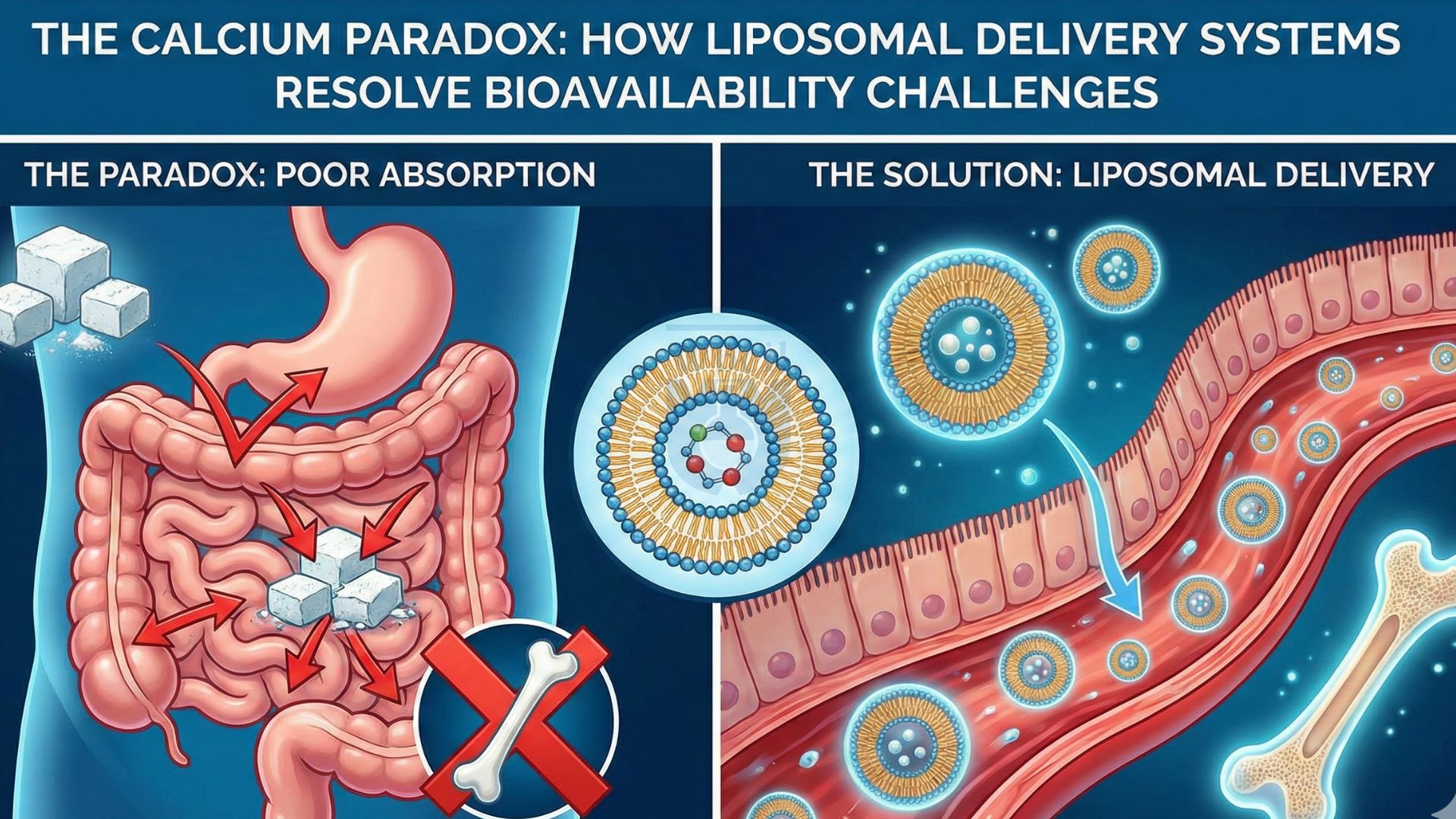
Liposomal technology solves this by encapsulating calcium within a protective phospholipid sphere, acting as a microscopic “Trojan Horse” that bypasses stomach acid to ensure direct absorption into the bloodstream.
This advanced delivery method offers superior bioavailability for better bone density support while effectively eliminating the gastric irritation and bloating commonly associated with traditional calcium salts.
The Great Barrier: Why Standard Calcium Fails
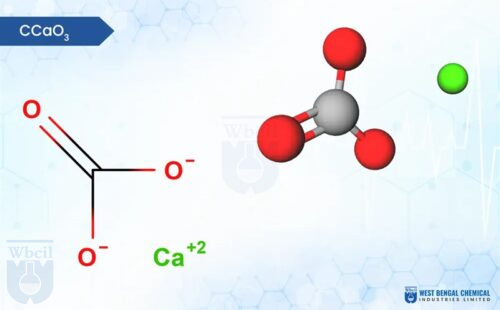
To understand how liposomal calcium improves absorption, we first need to understand why regular calcium struggles. When you swallow a standard calcium tablet (like calcium carbonate or citrate), it enters a harsh environment. The stomach’s acid attempts to break it down. Then, it must navigate the complex environment of the small intestine.
Here lies the challenge of calcium transport and uptake. Calcium ions are highly reactive. As they travel through the digestive tract, they easily bind with other compounds present in food—like phytates in grains, oxalates in spinach, or fatty acids. Once bound, the calcium becomes insoluble and cannot pass through the intestinal wall into the bloodstream. It is simply excreted as waste.
This poor absorption doesn’t just mean wasted money; it often leads to uncomfortable side effects. Unabsorbed calcium sitting in the gut causes bloating, gas, and constipation. This is a major reason why many people stop taking their prescribed supplements, leading to issues with micronutrient malabsorption.
Enter the Trojan Horse: The Liposomal Delivery System
So, how do we sneak calcium past the digestive guards and into the bloodstream? We use a disguise.
A liposome is essentially a microscopic bubble. It is made of phospholipids—the exact same fatty building blocks that make up our own cell membranes.
In a nano calcium delivery system, the calcium mineral is encapsulated inside this double layer of phospholipids. Think of it as a microscopic Trojan Horse.
Because the outer layer of the liposome looks just like the body’s own cells, the digestive system doesn’t identify it as a foreign mineral that needs to be attacked by acid or bound to food particles. The liposome shields the calcium as it travels through the stomach.
Once it reaches the small intestine, the magic happens. The intestinal cells recognize the phospholipid exterior as “friendly.” The liposome can fuse directly with the intestinal cell wall or be absorbed whole through specific transport channels, delivering its calcium payload directly into the bloodstream and lymphatic system.
The Definitive Liposomal Calcium Benefits
Switching to a liposomal form isn’t just a marketing gimmick; it’s a fundamental upgrade in how we deliver nutrients. The core liposomal calcium benefits revolve around solving the paradox of getting high doses in without actually absorbing them.
1. Superior Bioavailability and Absorption
The primary advantage is drastically improved liposomal calcium bioavailability. By protecting the nutrient from degradation in the stomach and preventing it from binding to food in the intestine, a significantly higher percentage of the ingested calcium reaches systemic circulation. This makes it a high-performance calcium supplement for people with low absorption issues, such as those with age-related digestive decline or certain gut disorders.
2. Targeted Support for Bone Health and Density
Getting calcium into the blood is step one. Getting it to the bones is step two. Because liposomes resemble cell membranes, they circulate efficiently. This enhanced delivery system ensures that the necessary raw materials actually arrive at the bone tissue, providing genuine liposomal calcium for bone health and density and offering bone mineral density
3. Gentle on the Gut (Reduced Gastric Irritation)
This is a game-changer for compliance. Because the calcium is encased in fats, it doesn’t come into direct contact with the stomach lining or sit undigested in the gut. This significantly reduces the risk of acid reflux, bloating, and constipation associated with traditional calcium salts.
Comparative Analysis: Liposomal vs. The Rest
Many consumers are confused about the difference between liposomal and regular calcium, or even advanced forms like chelated calcium.
- Regular Calcium (Carbonate/Citrate): Lowest absorption rates. Requires stomach acid for breakdown (carbonate)—high rates of gastrointestinal side effects.
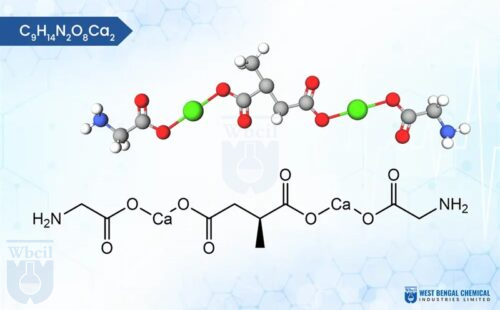
- Chelated Calcium: This involves binding calcium to an amino acid to improve uptake. While chelated calcium vs liposomal calcium shows that chelation is better than basic salts, it still relies on standard absorption pathways that can easily become saturated.
- Liposomal Calcium: Uses a completely different, non-competed pathway for absorption (lipid transport). It offers higher protection and bioavailability than both standard and chelated forms.
For those at high risk of bone weakness, choosing a high bioavailability calcium for osteoporosis risk is crucial, and liposomal calcium currently represents the gold standard in oral delivery.
WBCIL: Pioneering Liposomal Technology in India
At West Bengal Chemical Industries Limited (WBCIL), we recognise that the future of supplementation lies in bioavailability. We aren’t just observing the “calcium paradox”; we are actively engineering solutions for it.
As a leading liposomal calcium manufacturer in India, WBCIL utilises sophisticated high-pressure homogenization techniques to create stable, uniform, nano-sized liposomes. We ensure that the phospholipid bilayer is robust enough to protect the nutrient payload, ensuring that formulations achieve the promised superior absorption.
Conclusion
The “Calcium Paradox” teaches us that you aren’t necessarily what you eat; you are what you absorb. Continuing to bombard the body with high doses of poorly absorbed calcium tablets is not the solution to India’s bone health crisis. By embracing advanced nano calcium delivery systems, we can ensure that essential minerals arrive where they are needed most—our bones—without upsetting the digestive system along the way.

It works by encapsulating the calcium within a microscopic sphere of phospholipids (healthy fats). This fatty shield protects the calcium from stomach acid and digestive enzymes, allowing it to pass easily through the intestinal wall and into the bloodstream, mimicking the body’s natural cell transport mechanisms.
Yes, significantly. Studies on liposomal delivery systems consistently show higher circulating levels of nutrients compared to non-liposomal forms because they bypass the standard digestive hurdles that limit the absorption of regular calcium.
Yes. Because the calcium is “wrapped” in fat, it does not come into direct contact with the stomach lining, making it much gentler and significantly reducing common side effects like bloating, gas, and constipation.
The Recommended Dietary Allowance (RDA) for adults generally ranges from 1000 mg to 1200 mg per day, depending on age and gender. However, because liposomal calcium is better absorbed, you may not need as high a dosage on the label to achieve the same effect in the body compared to standard forms. Always consult a healthcare professional.
Yes, the components—calcium and phospholipids (usually from sunflower or soy lecithin)—are Generally Recognized As Safe (GRAS). In fact, because it reduces the risk of unabsorbed calcium depositing in soft tissues, it may be safer for long-term use than high doses of poorly absorbed calcium salts.