Idunn’s Apples or Liposomal C? The Quest for Cellular Longevity
The Myth of the Golden Apple
In the frozen lands of Norse mythology, the gods did not possess inherent immortality. Unlike the Greek Olympians, Odin, Thor, and Freyja were susceptible to age and decay. Their secret to eternal youth lay in the possession of Idunn, the goddess of spring, and her chest of golden apples. One bite, and the grey hairs would vanish, the skin would tighten, and the vigor of youth would return. Without them, the gods grew old, weak, and wrinkled.
For centuries, humanity has searched for a real-world equivalent to Idunn’s apples. We have scoured the earth for elixirs and fountains, only to be met with disappointment. But perhaps we were looking in the wrong place. The secret isn’t magic; it is molecular.
Today, the quest for eternal youth has moved from the mead halls of Valhalla to the high-tech laboratories of modern nutraceuticals. The modern “golden apple” is Liposomal Vitamin C for cellular longevity. It is not a myth; it is a breakthrough in bioavailability that is redefining how we approach aging, skin health, and immune resilience.
At West Bengal Chemical Industries Limited (WBCIL), we believe that while we cannot offer you a mythological fruit, we can offer the closest scientific alternative: Pharmaceutical grade Liposomal Vitamin C manufacturer capabilities that turn ordinary ascorbic acid into a powerhouse of rejuvenation.
Key Takeaways
- Bypassing the Bottleneck: Traditional Vitamin C absorption is limited by gut transporters, whereas Liposomal Vitamin C for cellular longevity uses a phospholipid vehicle to merge directly with cells, ensuring superior bioavailability.
- Dual-Action Anti-Aging: The liposome delivers high-dose Vitamin C for collagen synthesis and antioxidant defense, while the phospholipid shell itself repairs cell membranes, mimicking the regenerative effects of “Idunn’s Apples.”
- Manufacturing Precision: Not all liposomes are equal; WBCIL uses pharmaceutical-grade phospholipids and precise particle sizing (100-300nm) to create stable Nanoliposomal delivery systems that survive digestion and deliver results.

The Problem with “Ordinary” Apples: Why Traditional Vitamin C Fails
To understand why Liposomal Vitamin C for cellular longevity is the superior choice, we must first look at the limitations of the “old ways.”
Vitamin C (Ascorbic Acid) is the undisputed king of antioxidants. It is essential for collagen production, immune defense, and neutralizing free radicals—the molecular vandals that accelerate aging. However, the human body, much like the Norse gods without their apples, cannot produce Vitamin C on its own. We must ingest it.
The problem lies in absorption. When you swallow a standard Vitamin C tablet or powder:
1. Digestion is Brutal: The harsh acids of the stomach destroy a significant portion of the nutrient before it even reaches the intestine.
2. The Threshold Effect: The gut has a limited number of transport proteins for Vitamin C. Once these transporters are saturated (usually around 200mg), the rest is rejected.
3. The “Expensive Urine” Syndrome: Whatever isn’t absorbed—which can be up to 80% of high doses—is flushed out by the kidneys, often causing gastric distress along the way.
This explains the difference between traditional Vitamin C and liposomal delivery. Traditional supplements are like throwing apples at a fortress wall hoping one gets thrown over. Liposomal Vitamin C for cellular longevity is the Trojan Horse that walks right through the gates.
The Science of the Sphere: What is Nanoliposomal Delivery?
This is where the magic of WBCIL Innovative Nutraceutical Solutions comes into play. We don’t just sell ingredients; we engineer delivery systems.
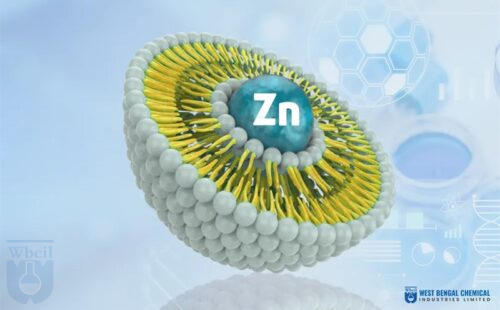
A “liposome” (from the Greek lipos for fat and soma for body) is a microscopic spherical vesicle. It is composed of a phospholipid bilayer—the exact same material that makes up your own cell membranes. By wrapping the water-soluble Vitamin C inside this fat-soluble shell, we create a Nanoliposomal delivery system for Vitamin C.
This structure does three revolutionary things:
1. Protection: It shields the fragile Vitamin C from digestive acids and oxidation.
2. Mimicry: Because the outer shell looks like a human cell, the body recognizes it as “self” rather than a foreign invader.
3. Fusion: The liposome can merge directly with intestinal cell membranes, bypassing the limited protein transporters entirely.
This mechanism answers the critical question: How does liposomal technology improve Vitamin C bioavailability?
It changes the route of entry. Instead of waiting in line for a transporter, the liposome slips through the VIP entrance, delivering high doses of Liposomal Vitamin C for cellular longevity directly into the bloodstream and, ultimately, inside the cells where it is needed most.
Collagen: The Architecture of Youth
Idunn’s apples were famous for keeping the skin of the gods smooth and firm. In biological terms, they were preserving collagen.
Collagen is the structural scaffolding of your skin.
As we age, collagen production plummets, leading to wrinkles, sagging, and joint pain. Vitamin C is the obligatory co-factor for the enzymes (prolyl hydroxylase and lysyl hydroxylase) that stabilize the collagen molecule. Without Vitamin C, collagen cannot form its triple-helix structure; it falls apart.
But here is the catch: skin cells (fibroblasts) need high concentrations of Vitamin C to trigger this process. Standard oral supplements rarely achieve these high tissue levels because of the absorption bottlenecks mentioned earlier.
This is why Liposomal Vitamin C for collagen synthesis is a game-changer. Studies suggest that liposomal encapsulation can deliver far higher concentrations of Vitamin C to the tissues than non-liposomal forms. By ensuring that the fibroblasts are flooded with Liposomal Vitamin C for cellular longevity, we essentially “turn back on” the collagen factories that have been dormant.
Why is liposomal Vitamin C more effective for skin longevity?
Because it ensures the raw materials actually reach the construction site. It transforms the concept of Encapsulated Ascorbic Acid for anti-aging from a marketing buzzword into a measurable physiological reality.
The Guardian of the Cell: Antioxidant Defense
Aging is, fundamentally, a slow process of oxidation—biological rusting. Every day, UV radiation, pollution, and stress generate free radicals that attack our DNA and mitochondria.
Liposomal Vitamin C for cellular longevity acts as the ultimate shield. By entering the cell efficiently, it neutralizes these free radicals at the source. It protects the telomeres (the protective caps at the end of our chromosomes) from shortening too quickly. Long telomeres are associated with biological youth; short telomeres with aging and death.
By maintaining high intracellular levels of antioxidant power, Liposomal Vitamin C for cellular longevity helps preserve genomic stability. It is the closest thing we have to the regenerative power of the mythical golden apples, fighting the entropy that wears down the body over time.
The Critical Role of Phospholipids
The success of a liposome depends entirely on what it is made of. You cannot build a fortress out of straw.
The role of phospholipids in Liposomal Vitamin C stability is paramount. At WBCIL, we utilize high-grade Phosphatidylcholine (PC), often derived from non-GMO sunflower or soy lecithin.
1. Structural Integrity: High-quality phospholipids ensure the liposome doesn’t leak its payload before reaching the target.
2. Liver Health: Phosphatidylcholine itself is a nutrient. It supports liver function and cell membrane repair. When you take Liposomal Vitamin C for cellular longevity, you are essentially getting a two-for-one benefit: the antioxidant for your cells and the phospholipids for your cell membranes.
This synergy is what separates a Pharmaceutical grade Liposomal Vitamin C manufacturer from generic producers who might use low-grade emulsifiers that break down instantly in the stomach.
Size Matters: The Nanoliposomal Advantage
In the world of drug delivery, smaller is often better—up to a point.
What is the best particle size for nanoliposomal Vitamin C? Research indicates that liposomes in the range of 100nm to 300nm offer the sweet spot.
• Too large (>400nm): They may be filtered out by the immune system (the reticuloendothelial system) before they can do their job.
• Too small (<50nm): They may be unstable and leak the Vitamin C.
WBCIL utilizes advanced homogenization technology to achieve a uniform particle size distribution. This “Goldilocks” size ensures that our Liposomal Vitamin C for cellular longevity circulates long enough to be absorbed by tissues but is stable enough to survive the journey. It is precision engineering for the human body.
WBCIL: The Blacksmiths of Modern Nutraceuticals
In Norse myth, the dwarves were the master blacksmiths who created the gods’ greatest treasures. In the modern nutraceutical landscape, West Bengal Chemical Industries Limited (WBCIL) plays that role.
We understand that Liposomal Vitamin C for cellular longevity is not just about mixing powder and oil. It requires:
- High-Shear Encapsulation: To ensure the vitamin is truly inside the liposome, not just floating next to it.
- Stability Testing: To prove that the liposomes don’t fuse or degrade over time on the shelf.
- Purity: Using pharmaceutical-grade Ascorbic Acid and phospholipids to prevent contamination.
As a Pharmaceutical grade Liposomal Vitamin C manufacturer, we are moving beyond the “kitchen sink” approach to supplements. We are providing WBCIL Innovative Nutraceutical Solutions that B2B partners can trust. When a brand puts our liposomal ingredients in their bottle, they aren’t selling hope; they are selling validated science.
The Future of Longevity is Liposomal
The quest for eternal youth will likely never end. But we are getting smarter about it. We no longer need to search for goddesses or magic orchards.
By harnessing the power of Liposomal Vitamin C for cellular longevity, we are utilizing the body’s own language—lipid membranes—to deliver the most vital nutrient for repair and defense. We are enhancing Liposomal Vitamin C for collagen synthesis, boosting immune resilience, and protecting our genetic integrity.
Whether you are formulating the next generation of anti-aging skincare (Cosmeceuticals) or a high-performance immune supplement (Nutraceuticals), the future is clear. The apple of immortality isn’t gold; it’s a nanosphere.
Choose Liposomal Vitamin C for cellular longevity. Choose the science that actually delivers on the promise of youth.

Unlike generic mixtures that often consist of simple emulsions, WBCIL utilizes high-shear homogenization technology to achieve true encapsulation. We validate our Liposomal Vitamin C for cellular longevity using advanced microscopy and zeta potential analysis to confirm that the ascorbic acid is securely entrapped within the phospholipid bilayer, ensuring maximum stability and bioavailability for your finished product.
Absolutely. As a flexible Pharmaceutical grade Liposomal Vitamin C manufacturer, we understand the market demand for allergen-free and non-GMO ingredients. We can formulate Liposomal Vitamin C for cellular longevity using high-purity Sunflower Lecithin to meet “Clean Label” requirements, ensuring your product appeals to health-conscious consumers avoiding soy.
Stability is the cornerstone of WBCIL Innovative Nutraceutical Solutions. We provide comprehensive stability data, including pH monitoring, oxidation rates, and particle size distribution over time. This proves that our Liposomal Vitamin C for cellular longevity does not leak or degrade, giving you the confidence to offer products with robust expiration dates.
We engineer our particles to fall within the optimal nanoliposomal range (typically 100-300nm). This specific size range prevents rapid clearance by the immune system while maximizing cellular uptake. By choosing WBCIL’s Liposomal Vitamin C for cellular longevity, you are ensuring that the nutrient circulates effectively in the bloodstream, delivering superior results compared to larger, unstable liposomes.
Yes. Our R&D team has developed versatile formats. We offer liquid liposomal dispersions for syrups and shots, as well as free-flowing liposomal powders (using advanced drying techniques) suitable for capsules and sachets. This versatility allows you to incorporate Liposomal Vitamin C for cellular longevity into a wide array of product lines without compromising on efficacy.