Protecting Maternal Health: The Critical Need for Bioavailable Calcium in Bangladesh
Addressing calcium deficiency during pregnancy has become one of the most urgent public health priorities of our time. Calcium in maternal health [1, 2] serves as the literal and metaphorical skeleton of a nation’s future, yet calcium deficiency remains a silent “hidden hunger” impacting over half the global population. In South Asia, an estimated 3.5 billion people are at risk of inadequate intake, with calcium deficiency in Bangladesh [3] reaching levels that demand immediate pharmaceutical intervention.
For any mother, the stakes are exceptionally high. Chronic inadequacy during pregnancy does more than just deplete a mother’s own bone density; it creates a ripple effect of health and economic consequences that can persist for generations. As a result, the demand for bioavailable calcium for nutraceuticals has surged, as formulators realize that simply providing “any” calcium is no longer enough to move the needle on public health.
Key Takeaways:
- The Problem: Traditional “rock” calcium is poorly absorbed and often causes stomach issues that lead pregnant women in Bangladesh to stop taking it.
- The Solution: New “Liposomal” technology wraps calcium in a protective layer, increasing absorption to over 90% while eliminating side effects.
- The Impact: Switching to these high-quality supplements can prevent life-threatening pregnancy complications and ensure children reach their full physical and cognitive potential.

The Maternal Health Crisis in Bangladesh
The public health landscape in Bangladesh is heavily burdened by nutritional gaps, where calcium deficiency in Bangladesh is often compounded by chronic Vitamin D insufficiency. For pregnant women, this combination is a recipe for severe clinical risks and long-term developmental setbacks. [1]
The Impact on Pregnancy and Fetal Development
When we discuss the impact of calcium in maternal health, we are talking about life-saving prevention.
- Preeclampsia Risks: Low calcium in maternal health is a primary factor in the development of preeclampsia and gestational hypertension. Ensuring consistent calcium supplementation in pregnancy is one of the most effective ways to lower these risks. [2]
- Stunting and Growth Potential: Children born to mothers with low calcium in maternal health often fail to reach their full genetic growth potential. This physical stunting is a direct result of the fetus being forced to “borrow” calcium from the mother’s depleted stores.
- The First 1,000 Days: The window from conception to a child’s second birthday is critical. A lack of calcium in maternal health during this time causes irreversible physical and cognitive impairments. [3]
Socio-Economic Consequences: The “Calcium Economy”
Maternal health is a pillar of national productivity. When calcium in maternal health is neglected, the “Calcium Economy” suffers.
- Diminishing Labor Productivity: Skeletal morbidities and bone-density issues reduce a woman’s earning potential over her lifetime.
- Increasing Healthcare Costs: Managing musculoskeletal disorders and pregnancy complications related to calcium deficiency in Bangladesh drains the national healthcare budget. [3]
- Restricting Education: Cognitive impairments in children resulting from early-life deficiency limit their future educational attainment and contributions to society.
The Evolution of Calcium Supplementation Trends
Over the last five years, Bangladesh has shown a profound commitment to addressing these challenges. However, there has been a significant paradigm shift. The industry is moving away from low-grade “rock calcium” toward more sophisticated, bioavailable calcium for nutraceuticals. [2]
From “Rock Calcium” to Marine-Derived Sources
Traditional calcium supplementation in pregnancy relied heavily on Calcium Carbonate derived from limestone. While cheap, these inorganic salts have massive limitations:
- Poor Bioavailability: The crystalline structure of rock-based CaCO3 lacks the natural affinity required for bone integration.
- Low Absorption: Most conventional salts offer absorption rates of only 20-40%. [1]
- Adverse Side Effects: To get enough calcium, mothers must take huge doses, which frequently lead to constipation, bloating, and dyspepsia-common reasons why women stop their calcium supplementation in pregnancy.
The Dominance of Coral Calcium
By 2025, Coral Calcium captured over 72% of the sales volume in key regional markets. Unlike limestone, Coral Calcium is biogenic. [5]
When looking for the best bioavailable calcium API for prenatal vitamins [4], formulators are increasingly choosing marine sources because they exist in the aragonite phase, which is highly microporous and more compatible with human biology.
| Feature | Traditional Calcium Carbonate | Coral Calcium |
| Origin | Inorganic (Limestone/Rock) | Biogenic (Fossilized Marine Coral) |
| Structure | Crystalline | Highly Microporous (Aragonite) |
| Absorption | Lower affinity | Rapid ionization |
| Side Effects | High GI distress | Generally well-tolerated |
Liposomal Coral Calcium: The Technological Game Changer
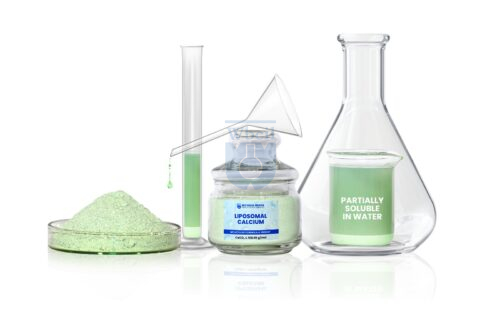
While Coral Calcium was a step forward, the introduction of Lipoedge liposomal coral calcium by West Bengal Chemical Industries Limited (WBCIL) marks the true revolution.
How Liposomal Encapsulation Works
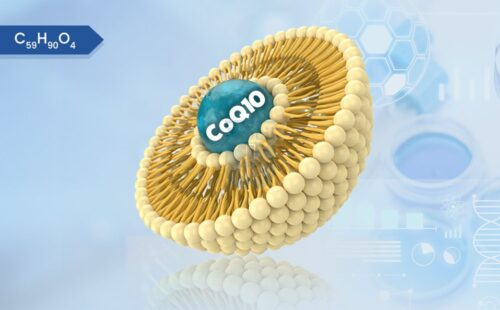
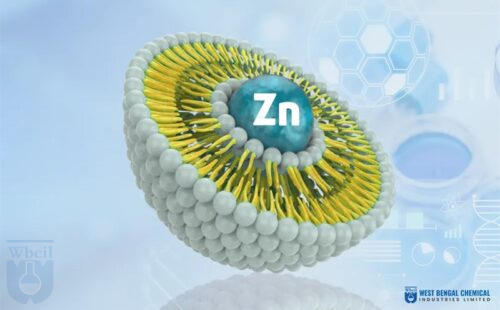
At WBCIL, we don’t just supply minerals; we engineer delivery systems. Our Lipoedge liposomal technology involves wrapping the coral calcium in a phospholipid bilayer. This creates a “Trojan Horse” effect that optimizes calcium in maternal health by:
- Gastric Protection: The lipid layer shields the active calcium from being neutralized by stomach acid.
- Enhanced Absorption: This delivery method enables absorption rates of 90-95%, which is a massive leap for bioavailable calcium for nutraceuticals. [4]
- Direct Cellular Uptake: The liposomes fuse with the intestinal cell membranes, allowing the calcium to enter the bloodstream and even the lymphatic system directly.
Solving the Compliance Barrier
For a pregnant woman in Bangladesh, the biggest hurdle isn’t just access; it’s compliance. If a supplement makes her feel ill, she won’t take it. By choosing WBCIL maternal health ingredients, brands can offer products that virtually eliminate the gastrointestinal distress associated with traditional salts. This is how we ensure that calcium in maternal health protocols is actually followed through to the end of the term.
Market Dynamics: The Role of WBCIL
As the global liposomal market heads toward a $745 million valuation by 2034, WBCIL is positioned as one of the leading calcium API exporters to Bangladesh. We understand that the market is shifting from “volume-based” to “efficacy-based” purchasing.
For local manufacturers in Dhaka or Chittagong, the challenge is improving calcium absorption in prenatal supplements without increasing the pill size. Using a liposomal API allows you to reduce the total elemental dose because the absorption is so much higher.
When companies ask which company supplies the best bioavailable calcium API for the Bangladesh market, the answer lies in our WHO-GMP certified facilities. We provide the best bioavailable calcium API for prenatal vitamins, ensuring every batch is free from the heavy metal contaminants (like lead or mercury) that are often found in low-quality rock-based sources.
Market Dynamics: The Role of WBCIL
As the global liposomal market heads toward a $745 million valuation by 2034, WBCIL is positioned as one of the leading calcium API exporters to Bangladesh. We understand that the market is shifting from “volume-based” to “efficacy-based” purchasing. [2]
For local manufacturers in Dhaka or Chittagong, the challenge is improving calcium absorption in prenatal supplements without increasing the pill size. Using a liposomal API allows you to reduce the total elemental dose because the absorption is so much higher.
When companies ask which company supplies the best bioavailable calcium API for the Bangladesh market, the answer lies in our WHO-GMP certified facilities. We provide the best bioavailable calcium API for prenatal vitamins, ensuring every batch is free from the heavy metal contaminants (like lead or mercury) that are often found in low-quality rock-based sources.
Import Trends in Bangladesh (2020-2025)
Data-Driven Shifts in the Bangladesh Import Landscape (2020–2025)
The strategic management of calcium in maternal health is undergoing a profound transformation. While traditional calcium carbonate still leads in bulk volume totaling over $209 million USD in imports since 2020 its market share for calcium supplementation in pregnancy is contracting.
The market is diversifying into high-performance tiers to combat calcium deficiency in Bangladesh:
- Calcium Carbonate: Retains an industrial base but is losing ground in prenatal care due to poor absorption.
- Calcium Orotate: A high-value, niche import for specialized therapeutic needs.
- Coral Calcium: Showed explosive growth, tripling from 1.5 million units in 2020 to 4.0 million units in 2025. [2]
This surge reflects a demand for bioavailable calcium for nutraceuticals. At WBCIL, we prioritize safety; our Lipoedge liposomal coral calcium is engineered to be free from heavy metals like lead and mercury, often found in low-grade rock sources. By providing the best bioavailable calcium API for prenatal vitamins, WBCIL has become a vital partner for calcium API suppliers for the Bangladesh pharma market.
The Scientific Edge: AI and Advanced Engineering
The future of calcium in maternal health is being written in our labs. We are now utilizing AI-driven formulation of bioavailable calcium to predict how different lipid profiles interact with the aragonite structure of coral. This ensures that when you buy bulk bioavailable calcium API from WBCIL, you are getting a product optimized for stability and shelf-life.
Comparing calcium carbonate vs. bioavailable calcium for prenatal care reveals a stark truth: the latter is a medical necessity, not a luxury. To understand how highly bioavailable calcium prevents maternal mortality, we must examine its role in reducing hypertensive disorders and strengthening the maternal cardiovascular system during the third trimester.
Conclusion: A Strategic Investment in the Future
The transition to high-end calcium in maternal health solutions is more than a trend; it is a national health imperative. By moving away from poorly absorbed salts and embracing bioavailable calcium for nutraceuticals, Bangladesh can:
1. Significantly improve maternal and fetal survival rates.
2. Reduce the long-term economic burden of musculoskeletal disease.
3. Ensure the next generation reaches its full physical and cognitive potential.
WBCIL remains the premier choice for calcium API suppliers for the Bangladesh pharma market, offering the scientific backbone required to solve the calcium crisis. Calcium in maternal health is the foundation of a healthy society, and we are proud to provide the materials that build that foundation.
Ready to elevate your maternal health line? Whether you need to buy bulk bioavailable calcium API or need guidance on how to formulate highly bioavailable maternal health supplements, our R&D team is ready to help.
Partner with WBCIL today for next-generation prenatal nutrition.

- Gerede, A., Papasozomenou, P., Stavros, S., Potiris, A., Domali, E., Nikolettos, N., Eleftheriades, M., & Zafrakas, M. (2025). Calcium Supplementation in Pregnancy: A Systematic Review of Clinical Studies. Medicina, 61(7), 1195. https://doi.org/10.3390/medicina61071195
- Miyake Y, Okubo H, Sasaki S, Tanaka K. Maternal calcium intake during pregnancy and adolescent depressive symptoms: The Kyushu Okinawa Maternal and Child Health Study. Journal of Psychiatric Research [Internet]. 2025 May 6;187:80–4. Available from: https://doi.org/10.1016/j.jpsychires.2025.05.018
- Bromage, S., Ahmed, T., & Fawzi, W. W. (2016). Calcium Deficiency in Bangladesh: Burden and Proposed Solutions for the First 1000 Days. Food and nutrition bulletin, 37(4), 475–493. https://doi.org/10.1177/0379572116652748
- https://storage.googleapis.com/innctech/ejpmr/article_issue/1543646707.pdf
Standard calcium carbonate from limestone is crystalline and lacks structural affinity with human bone. It requires high stomach acid levels to break down, leading to low bioavailability (20-40%) and side effects like constipation, which hurts calcium supplementation in pregnancy.
It exists in the aragonite crystal phase, making it highly porous. It also contains trace minerals like magnesium and strontium, which work synergistically to support calcium in maternal health.
By wrapping the calcium in a lipid bilayer, it bypasses the “absorption ceiling” of traditional transporters, allowing for 90-95% absorption through membrane fusion and passive diffusion.
Yes. Because the calcium is encapsulated, it doesn’t irritate the stomach or intestinal lining, which solves the common problem of non-compliance in calcium supplementation in pregnancy.
It plays a critical role in regulating blood pressure and vascular tone, which significantly reduces the risk of life-threatening preeclampsia and eclampsia.
Absolutely. WBCIL is a WHO-GMP-certified manufacturer providing high-purity, heavy-metal-free bioavailable calcium for nutraceuticals specifically tailored for the South Asian market.