Magnesium Bisglycinate in Neuromuscular Rehabilitation: Formulating for Rapid DOMS Recovery
The Biological Cost of High Performance
When it comes to high-performance athletic recovery, the efficacy of magnesium bisglycinate for nerve and muscle rehabilitation is becoming the gold standard for formulators worldwide. [1] Intense eccentric exercise, the kind that builds elite strength, inevitably leads to Delayed Onset Muscle Soreness (DOMS). While many athletes reach for protein powders and BCAAs (Branched-Chain Amino Acids), the real bottleneck in recovery is often an acute intracellular mineral deficit. Standard recovery supplements often miss the mark by ignoring the electrical and nervous system components of muscle repair.
Utilizing magnesium bisglycinate for nerve and muscle support ensures that athletes don’t just recover superficially, but at a deep cellular and neurological level. By incorporating magnesium bisglycinate into recovery protocols, we address the critical bridge between cellular energy production and neurological calm.
At West Bengal Chemical Industries Limited (WBCIL), we recognize that elite-level sports nutrition requires more than just “magnesium”- it requires a precision-engineered API that can navigate the complex pathways of human physiology.
Experience superior absorption and gentle digestion with our verified pharma-grade magnesium bisglycinate, specifically formulated for maximum bioavailability.
Key Takeaways
- Dual-Action Recovery: Utilizing magnesium bisglycinate for nerve and muscle rehabilitation addresses both physical muscle micro-tears and nervous system hyper-excitability via synergistic glycine binding.
- Unmatched Gastric Tolerance: By bypassing standard ion transport, the bisglycinate chelate eliminates the osmotic issues caused by cheap salts, making it the best magnesium form for athletes’ muscle recovery and tolerance.
- Verified Efficacy: To ensure your product matches the results of a double blind study on magnesium bisglycinate for muscle soreness and performance, formulators must source from a verified pharma grade magnesium bisglycinate manufacturer like WBCIL.

The Pathophysiology of DOMS and the Magnesium Deficit
To formulate effectively, we must understand the trauma of DOMS. During intense training, micro-tears in the muscle fibers trigger an inflammatory cascade. This leads to fluid accumulation and, most critically, a massive influx of calcium into the muscle cells.
The Calcium-Magnesium Tug-of-War
For healthy neuromuscular function, calcium and magnesium act as a biological “on/off” switch. Calcium causes muscle contraction, while magnesium is the essential element required to pump calcium back out of the cell so the muscle can relax. Without sufficient magnesium bisglycinate for nerve and muscle functioning, this pump fails. An acute depletion leads to sustained, painful micro-cramps, significantly exacerbating muscle soreness. Relying on magnesium bisglycinate replenishment allows the cell to restore its electrical balance, effectively “unlocking” the muscle from a state of constant tension. [2]
Neurological Calm: Magnesium Bisglycinate for Neuromuscular Function
Recovery isn’t just a localized tissue event; it is governed by the central nervous system (CNS). High-intensity training leaves the nervous system in a state of hyper-excitability. Magnesium bisglycinate acts as the primary regulator for this systemic stress. [2]
NMDA Receptor Regulation
A key way in which magnesium bisglycinate supports neuromuscular rehabilitation is through its role as an NMDA (N-methyl-D-aspartate) receptor antagonist [2]. By blocking these receptors, magnesium bisglycinate prevents the over-firing of neurons and dampens the transmission of pain signals.
This is why supplements containing magnesium glycinate for muscle and nerve function are vastly superior to other forms. The glycine molecule itself is an inhibitory neurotransmitter. When you utilize magnesium glycinate, you provide a synergistic calming effect that traditional magnesium salts simply cannot match. This dual-action approach that involves relaxing the physical fiber while soothing the nervous system makes magnesium bisglycinate the ultimate tool for neuromuscular function.
Formulating for Absorption: Magnesium Glycinate vs Oxide
The greatest challenge for any product developer is the “Formulator’s Dilemma”: you cannot fix DOMS if the active ingredient never reaches the target tissue. When evaluating magnesium glycinate vs oxide bioavailability for formulation decisions, the choice becomes definitive for developers who prioritize physiological performance over mere cost-efficiency.
Bypassing the Ion Channels
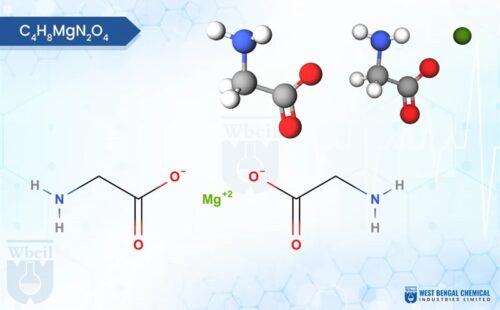
Inorganic salts like magnesium oxide require high stomach acid to dissociate. They rely on ion channels in the gut that are easily saturated, leading to a dismal 4% absorption rate and the dreaded side effect of osmotic diarrhea. In contrast, magnesium bisglycinate is a true chelate. It remains intact, absorbing through specialized dipeptide transport channels (PEPT1) [3]. This allows for a much higher “dose to tissue” ratio.
Because of this stability, supplements containing magnesium bisglycinate for nerve and muscle are widely regarded as the best magnesium form for athletes’ muscle recovery and tolerance. It ensures that the supplement containing magnesium bisglycinate for delayed onset muscle soreness or DOMS does not end in the digestive tract but reaches the muscle.
The Data-Driven Approach: Clinical Efficacy in Sports Nutrition
For a product containing magnesium bisglycinate for nerve and muscle function to succeed in a competitive market, it must be backed by scientific data. Product developers are increasingly looking toward the efficacy of magnesium bisglycinate for muscle recovery stats to validate their labels.
Double-Blind Efficacy
Recent advancements in sports science literature, underscored by a prominent magnesium bisglycinate for muscle soreness and performance double blind study, definitively validate the superiority of this specific chelate. The clinical evidence for magnesium supplementation reducing muscle soreness ratings is robust, often measured via Visual Analogue Scales (VAS). Furthermore, the use of magnesium bisglycinate for DOMS recovery is linked to the accelerated clearance of blood lactate and creatine kinase- key biomarkers of muscle damage.
By using magnesium bisglycinate for nerve and muscle in your formulation, you are aligning with magnesium bisglycinate muscle recovery protocols that are now standard in professional athletic programming.
Formulation Mechanics: Building the Ultimate Recovery Matrix
Working with magnesium bisglycinate for nerve and muscle on the manufacturing floor offers several practical advantages. To optimize magnesium bisglycinate neuromuscular function, formulators often look for synergistic blends.
Synergy in the Blending Tank
Magnesium bisglycinate performs exceptionally well when combined with other actives. We recommend blending magnesium bisglycinate for nerve and muscle with Tart Cherry extract for inflammation, L-Glutamine for gut-muscle axis support, or Zinc Bisglycinate for hormonal health. [3]
Its high water solubility and neutral taste profile make magnesium bisglycinate an ideal candidate for RTD (ready-to-drink) post-workout beverages and electrolyte powders. Whether you are targeting magnesium bisglycinate for DOMS recovery in a capsule or a drink, the versatility of magnesium glycinate for muscle and nerve function is unmatched.
Sourcing Excellence: Your Pharma Grade Magnesium Bisglycinate Manufacturer
The final hurdle in creating an elite product is sourcing. Many “chelates” on the market are actually dry blends of magnesium oxide and glycine. These “fake chelates” will not deliver the results your customers expect when they take magnesium bisglycinate for muscle recovery.
The WBCIL Standard
As a leading pharma-grade magnesium bisglycinate manufacturer, West Bengal Chemical Industries Limited provides vertically integrated solutions. From us, you aren’t just buying a powder; you are securing a WHO-GMP certified, FTIR-verified true chelate.
Our magnesium bisglycinate is engineered for maximum ouput. We ensure that your “magnesium bisglycinate for DOMS recovery” or “magnesium bisglycinate for muscle soreness” claims are backed by an API that actually works!
Final Thoughts on Magnesium Bisglycinate for Nerve and Muscle Function
Choosing magnesium bisglycinate for nerve and muscle is a commitment to quality. It ensures that the benefits are maximized, providing users with the
magnesium bisglycinate for muscle recovery they need to get back to training faster. From magnesium bisglycinate for DOMS recovery to long-term magnesium bisglycinate for muscle soreness management, this molecule is the future of sports nutrition.
With magnesium glycinate at the heart of your product, you ensure that magnesium bisglycinate for nerve and muscle health remains the priority for every athlete you serve. Reach out to WBCIL today to secure the highest quality magnesium bisglycinate for nerve and muscle health in your next blockbuster formulation.
Partnering with a globally recognized West Bengal Chemical Industries, a magnesium bisglycinate manufacturer. We ensure that your product contains the high-purity, fully reacted chelate required to clinically address delayed-onset muscle soreness (DOMS).

- Tarsitano, M. G., Quinzi, F., Folino, K., Greco, F., Oranges, F. P., Cerulli, C., & Emerenziani, G. P. (2024). Effects of magnesium supplementation on muscle soreness in different type of physical activities: a systematic review. Journal of translational medicine, 22(1), 629. https://doi.org/10.1186/s12967-024-05434-x
- Kirkland, A. E., Sarlo, G. L., & Holton, K. F. (2018). The Role of Magnesium in Neurological Disorders. Nutrients, 10(6), 730. https://doi.org/10.3390/nu10060730
- Schuette, S. A., Lashner, B. A., & Janghorbani, M. (1994). Bioavailability of magnesium diglycinate vs magnesium oxide in patients with ileal resection. Journal of parenteral and enteral nutrition, 18(5), 430–435. https://doi.org/10.1177/0148607194018005430
While magnesium citrate acts as an osmotic laxative by drawing water into the intestines, magnesium bisglycinate for delayed onset muscle soreness DOMS is absorbed as a whole dipeptide. This allows the magnesium to reach the muscle tissue faster and more efficiently without causing the digestive distress or “run-through” effect common with citrate forms.
Magnesium oxide has a lower upfront cost and higher elemental weight but an abysmal absorption rate (approx. 4%). In contrast, bisglycinate shows superior absorption means a lower “functional dose” is required to achieve results, leading to higher consumer satisfaction and fewer product returns due to side effects.
As a premier pharma grade magnesium bisglycinate manufacturer, WBCIL utilizes FTIR (Fourier-Transform Infrared Spectroscopy) to verify that the mineral is fully reacted and chemically bonded to the glycine. This ensures it is a true chelate rather than a dry blend of oxide and glycine, guaranteeing the stability and efficacy of the API.
Yes. High-quality magnesium bisglycinate for nerve and muscle support from WBCIL is engineered for high water solubility and a neutral taste profile. This makes it ideal for RTD (Ready-to-Drink) formulas, electrolyte liquids, and clear sports drinks where transparency and flavor stability are critical
Absolutely. The clinical evidence that magnesium supplementation reduces muscle soreness ratings is well-documented in sports science. Studies utilizing Visual Analogue Scales (VAS) consistently show that athletes using bisglycinate report lower pain scores and faster recovery of muscle strength compared to placebo groups.
It works by regulating the NMDA receptors in the brain to prevent nerve hyper-excitability while simultaneously providing the “relaxation signal” needed to pump calcium out of muscle cells. This dual-action approach effectively calms both the nervous system and the physical muscle fibers.