Ferric Derisomaltose Benefits: The Matrix Structure Advantage
NFHS-5 data confirms that two in three children under five and over half of women aged 15-49 in India are anaemic [1]. For patients who are intolerant to, malabsorb, or have an insufficient response to oral iron, intravenous iron is the primary clinical option. More stable IV iron formulations, such as ferric derisomaltose, release iron slowly and allow higher iron doses to be administered in a single visit. For generic drug manufacturers and CDMOs, this is a clinically significant market, and the API you source determines the product you can build.
In this blog, we examine ferric derisomaltose benefits across matrix structure, single-dose clinical evidence, safety comparisons, approved indications, and B2B API sourcing criteria.
Key Takeaways:
Ferric derisomaltose’s matrix structure binds approximately 10 iron molecules per isomaltoside unit, producing the lowest labile iron release among IV iron formulations.
A single 1000 mg infusion matches multi-dose iron sucrose on haemoglobin recovery, with a lower composite cardiovascular adverse event rate in CKD populations.
Ferric derisomaltose produces dramatically lower rates of hypophosphatemia than ferric carboxymaltose, a safety gap with direct formulary and market access implications.
Quick Answer: Ferric derisomaltose delivers full iron repletion in a single infusion, with a lower side-effect profile than older IV iron formulations.

The Matrix Structure: What Sets Ferric Derisomaltose Apart
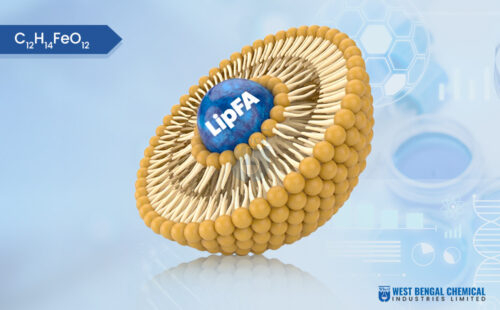
The ferric derisomaltose benefits begin at the molecular level, where its matrix architecture changes how iron is bound, released, and tolerated. Unlike older IV iron formulations that use a carbohydrate shell, this formulation integrates iron directly into a derisomaltose matrix.
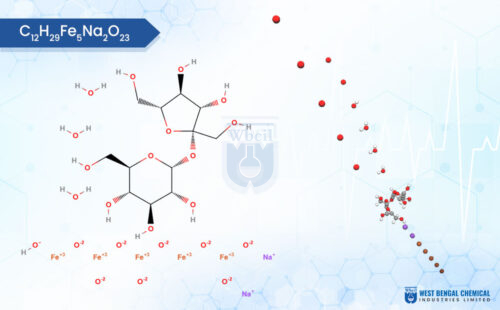
- Matrix Composition: Ferric derisomaltose (FDI) is a complex of iron (III) hydroxide and derisomaltose, containing about 10 iron molecules per isomaltoside oligosaccharide [2]. The ratio forms the structural basis for its controlled iron release and predictable safety profile.
- Controlled Iron Release: The matrix enables slow, controlled release of iron to iron-binding proteins, avoiding toxicity from labile iron accumulation. The ferric derisomaltose vs iron sucrose stability difference is the structural reason FDI supports full therapeutic dosing in a single infusion while iron sucrose cannot.
- Low Labile Iron Content: Iron isomaltoside ranks among IV iron formulations with the lowest labile iron release in physicochemical comparisons. For CDMOs, this low-labile iron profile directly supports prescriber preferences and formulary inclusion decisions.
- Oligosaccharide Architecture: Oligosaccharides form a linear, unbranched structure with low immunogenicity, reducing the risk. The structural characteristic is a clinically significant API attribute for IV iron products across all approved patient populations.
- Single-Dose Capability: Ferric derisomaltose is the only FDA-approved IV iron that allows a full therapeutic dose in a single infusion. It is necessary to verify the supplier’s API specifications include labile iron content data before finalising your finished product dose design.
Single-Dose Convenience: 5 Clinical and Commercial Values
The advantage of iron derisomaltose over older IV iron forms is most visible in one defining clinical capability: full iron repletion in a single visit. For B2B buyers, this high-dose intravenous iron infusion safety profile and single-dose architecture is a core commercial differentiator in procurement decisions.
Here are five clinical and commercial values of ferric derisomaltose:
1. FDA-Approved Single-Dose Administration
Ferric derisomaltose delivers 1000 mg of iron in a single IV infusion, a capability enabled by its matrix structure, which tightly binds iron and slowly releases it [3]. Traditional IV iron forms, such as iron sucrose, require multiple separate infusion visits to deliver the same cumulative dose. For hospital procurement teams, fewer visits mean lower utilisation of infusion chairs, reduced nursing hours, and lower total treatment costs.
2. Non-Inferiority to Iron Sucrose
In a controlled study of 1512 patients, serious or severe hypersensitivity reactions occurred in 0.3% of ferric derisomaltose recipients versus 0.4% with iron sucrose, confirming non-inferiority on the primary safety endpoint [4]. Haemoglobin recovery at week eight was equivalent across both treatment arms, confirming that single-dose FDI is as effective as multi-dose iron sucrose. For CDMOs, this head-to-head data is the clinical foundation supporting generic FDI’s market-entry argument.
3. Haematological Response Across Iron Parameters
Ferric derisomaltose benefits extend beyond acute iron-deficiency anaemia treatment to sustained iron-store repletion across haemoglobin, ferritin, and transferrin saturation parameters. A real-world study of patients across multiple sites confirmed improvements in haemoglobin and ferritin up to 12 months’ post-infusion, with the most pronounced improvements observed in surgical and obstetric populations. The multi-parameter response profile strengthens the clinical case for formulary inclusion across CKD, obstetrics, and gastroenterology indications.
4. Healthcare Resource Advantage
Single-infusion iron repletion eliminates adherence concerns from multi-dose regimens and reduces healthcare resource utilisation across outpatient and hospital settings. In India’s public hospital system, where infusion chair availability and nursing capacity are constrained, this single-visit model has direct operational value for procurement decision-makers. Generic FDI manufacturers who demonstrate this resource efficiency hold a meaningful position in institutional tender submissions.
5. Cardiovascular Safety in CKD Populations
In CKD patients, composite cardiovascular adverse events were lower in the ferric derisomaltose group than in the iron sucrose group, an outcome reflecting the controlled iron-release profile. The cardiovascular safety signal is significant in CKD populations, where cardiac comorbidity rates are high and treatment-related risk is a prescriber concern. Source ferric derisomaltose API with cardiovascular safety data available, as this strengthens your medical affairs and market access strategy.

Hypophosphatemia Safety: Ferric Derisomaltose vs. Ferric Carboxymaltose
When two IV iron formulations deliver equivalent haemoglobin correction, the safety profile becomes the deciding factor in hospital formulary decisions. On hypophosphatemia, ferric derisomaltose and ferric carboxymaltose are not comparable; the clinical data consistently place FDI as the safer choice.
Here’s a tabular representation to understand the difference between the two:
| Parameter | Ferric Derisomaltose (FDI) | Ferric Carboxymaltose (FCM) |
| Hypophosphatemia Incidence | Below 5% across multiple prospective trials | Approximately 47% in a pooled analysis of 42 clinical studies. |
| Severe Hypophosphatemia | 0.0% of FDI patients developed severe hypophosphatemia in PHOSPHARE data. | 11.3% of FCM patients developed severe hypophosphatemia (<1.0 mg/dL) [5]. |
| FGF-23 Mechanism | FDI induces a markedly smaller FGF-23 increase, limiting renal phosphate excretion | FCM triggers a pronounced FGF-23 surge, sustaining phosphate excretion well beyond the infusion window |
| Regulatory Consequence | No phosphate monitoring requirement on the FDI label | Symptomatic hypophosphatemia was added to FCM’s US label in 2020 [6]. |
| Health Economic Impact | FDI results in cost savings over 5 years, with no costs for phosphate monitoring or supplementation. | FCM requires additional phosphate monitoring and supplementation, adding to total treatment expenditure |
Ferric Derisomaltose Benefits Across Key Clinical Indications
Ferric derisomaltose benefits span multiple approved indications, making it a commercially versatile IV iron API for generic manufacturers across therapeutic areas.
- Chronic Kidney Disease: KDIGO guidelines recommend IV iron for non-dialysis CKD patients who cannot tolerate oral iron. FDI’s single-dose architecture reduces clinic visits for patients with high outpatient attendance.
- Post-Bariatric Surgery: Malabsorption after bariatric procedures makes IV iron the only reliable repletion route for patients. In post-bariatric patients, 73.1% of FDI recipients required only a single administration to reach therapeutic iron levels.
- Heavy Menstrual Bleeding and Obstetric IDA: Iron deficiency is the primary cause of anaemia in women of reproductive age globally. FDI delivers rapid haemoglobin recovery in a single visit for obstetrics and gynaecology departments.
- Inflammatory Bowel Disease: IV iron is preferred in IBD patients where oral iron is ineffective, not tolerated, or absorption is severely limited. FDI’s low hypophosphatemia profile gives it a clear advantage over ferric carboxymaltose in IBD patients.
- Oral Iron Intolerance Across Indications: FDI is suitable for all patient populations in which oral iron is ineffective or poorly tolerated. For CDMOs, this broad indication coverage supports multiple product registration pathways across therapeutic areas.
Sourcing Ferric Derisomaltose API: What CDMOs Must Verify
CDMOs sourcing ferric derisomaltose in bulk require a supplier whose patent status, certification depth, and documentation quality support multi-market regulatory submissions. WBCIL holds registered patents for ferric derisomaltose, ferric carboxymaltose, iron isomaltoside, and ferric citrate, confirming proprietary expertise in complex injectable iron APIs.
WBCIL API products are manufactured under WHO-GMP and ICH guidelines, with ferric derisomaltose produced to a carbohydrate matrix specification that ensures the complete absence of free ferric ions. CTD-format Drug Master Files are available per market requirement, alongside batch-specific CoAs, labile iron content data, and accelerated stability documentation as standard qualification deliverables.
Final Thoughts
Ferric derisomaltose represents a clinically significant advancement in IV iron therapy, where the matrix structure directly determines patient safety and treatment convenience. The evidence across single-dose efficacy, hypophosphatemia safety, and broad indication coverage gives formulators a well-substantiated API to build generic injectable iron products around.
Before you finalise your next IV iron programme, verify that your API supplier provides patent-backed manufacturing documentation, WHO-GMP certification, and full regulatory dossier support for your target markets. WBCIL manufactures ferric derisomaltose under GMP-certified processes, with technical and regulatory support available for CDMOs across India and international markets.

- Rukmini S (2024). Anaemia in India. [online] Data For India.
- Craft, B.M. and Baker, D.E. (2020). Ferric Derisomaltose. Hospital Pharmacy, [online] 58(4), pp.329–335.
- Auerbach, M., Henry, D. and DeLoughery, T.G. (2021). Intravenous ferric derisomaltose for the treatment of iron deficiency anemia. American Journal of Hematology, 96(6), pp.727–734.
- Auerbach, M., Henry, D., Derman, R.J., Achebe, M.M., Thomsen, L.L. and Glaspy, J. (2019). A prospective, multi‐center, randomized comparison of iron isomaltoside 1000 versus iron sucrose in patients with iron deficiency anemia; the FERWON‐IDA trial. American Journal of Hematology, 94(9), pp.1007–1014.
- Schaefer, B., Zoller, H. and Wolf, M., 2022. Risk factors for and effects of persistent and severe hypophosphatemia following ferric carboxymaltose. The Journal of Clinical Endocrinology & Metabolism, 107(4), pp.1009-1019.
- Pollock, R.F. and Muduma, G. (2021). An Economic Analysis of Ferric Derisomaltose versus Ferric Carboxymaltose in the Treatment of Iron Deficiency Anemia in Patients with Inflammatory Bowel Disease in Norway, Sweden, and Finland. ClinicoEconomics and Outcomes Research, Volume 13, pp.9–18.
Ferric derisomaltose binds approximately 10 iron molecules per isomaltoside unit, enabling controlled, slow iron release. Iron sucrose uses a looser shell structure, limiting each infusion to a fraction of the full therapeutic dose.
Ferric derisomaltose induces a markedly smaller FGF-23 response, which limits renal phosphate excretion after infusion. Ferric carboxymaltose triggers a pronounced FGF-23 surge, with hypophosphatemia incidence reaching approximately 47% in pooled clinical data.
Approved populations include non-dialysis CKD, post-bariatric surgery, IBD, heavy menstrual bleeding, and obstetric anaemia patients. Its single-dose capability makes it particularly suitable for patients with malabsorption conditions or high outpatient attendance.
Request CTD-format Drug Master Files, batch-specific CoAs, labile iron content data, and ICH Q1A(R2) stability reports. WHO-GMP and market-specific certifications, such as EU-GMP or US DMF registration, are essential for regulated-market submissions.
WBCIL holds a registered patent for ferric derisomaltose and manufactures it under WHO-GMP-certified, proprietary processes at its Dahej facility. Full CTD-format DMF support and batch-specific regulatory documentation are available for multi-country submissions.