Is The Nutraceutical Market Facing the Shift in the USA?
The American nutraceutical landscape is no longer just about filling “nutritional gaps.” In 2026, the industry has pivoted toward a proactive, data-driven “precision health” model. The USA consumers are moving away from the one-size-fits-all multivitamim. They are looking forward to functional solutions aligning with their specific biological data and lifestyle demands. For nutraceutical brands and CDMOs, staying ahead of these shifts is critical. At WBCIL, we see these trends reflected in the increasing demand for high-purity, GMP-certified ingredients that support specialized health goals—from metabolic recovery to cognitive performance.
Key Takeaways
- The Rise of Companion Nutrition: A major growth driver in 2026 is “GLP-1 support” supplements that address the side effects of modern weight-loss drugs, such as muscle preservation and gut health.
- Mainstream Adaptogens & Nootropics: Ingredients like Ashwagandha and Creatine have successfully moved from “gym-culture” into everyday “brainergy” products for focus and stress management.
- Precision over Generalization: The market is shifting from mass-market multivitamins to AI-powered, personalized supplement stacks based on individual biomarkers and digital health data. [5]

The 2026 Market Snapshot: Growth by the Numbers
A significant financial trajectory underscores the dietary supplement trends in the USA 2026. The U.S. dietary supplement market is projected to reach approximately $50.5 billion to $79.28 billion by the end of this forecast cycle, growing at a steady CAGR of 5.8% to 6.3%. As the U.S. landscape matures for nutraceutical market in 2026, “Delivery Science” has transitioned from a niche pharmaceutical concept to a mainstream retail expectation. [1]
This is particularly evident in the rapid adoption of Liposomal and Chelated delivery systems, which are outperforming traditional tablets and powders in year-over-year growth. Brands that anchor their value proposition in validated bioavailability are securing a disproportionate share of the projected $79.28 billion valuation. And it is moving the industry away from “commodity” vitamins toward high-performance “biomimetic” nutrition. [2]
Which supplement categories are growing fastest in the US in 2026?
- Metabolic & GLP-1 Support: With the explosion of GLP-1 weight-loss medications, a new “companion nutrition” category has emerged.
- Women’s Targeted Health: Specialized support for perimenopause, hormonal balance, and “beauty from within” is outperforming general wellness.
- Mental Performance (Brainergy): Supplements for focus and stress resilience (nootropics) are seeing double-digit growth. [3]
Top Supplement Ingredients in 2026: Beyond the Basics
You may think- what are the top supplement trends in the USA in 2026 when it comes to the label?
The “Big Four” of 2026—Protein, Creatine, Ashwagandha, and Colostrum—have transcended their original niches. [5]
1. The Renaissance of Creatine and Protein
Creatine is no longer just for bodybuilders. In 2026, it is recognised as a staple for healthy ageing and cognitive health. Likewise, protein has become the “anchor” ingredient. We are seeing a massive trend of “protein-maxxing” where protein is being fortified into everything from morning coffees to evening snacks.
2. The Rise of Ashwagandha and Adaptogens
Most nutraceutical brands from the USA are now shifting to highly standardized extracts to ensure efficacy and “clean label” transparency.
Right now “Brainergy” (Brain health + Energy) becomes a core consumer priority in the USA, ashwagandha remains the leading adaptogen. [3]
3. Colostrum and Gut-Lung Axis Support
Immunity has evolved. In 2026, consumers are focused on the “gut-lung axis” and intestinal permeability. Colostrum, once a niche athlete supplement, is now a mainstream favorite for immune resilience and digestive integrity. [4]
Why Functional Ingredients are Moving into Foods and Beverages in 2026
“Pill fatigue” is a real phenomenon in 2026. This has led to a massive shift, with nutraceutical trends USA 2026 moving into the “Better-for-You” (BFY) food and beverage space.
- Prebiotic Sodas: Fiber is the “new protein,” with “fiber-maxxing” driving the success of functional sparkling waters.
- Nootropic Coffees: Caffeine is being “stacked” with L-Theanine and Magnesium to provide energy without the jitters.
- Ready-to-Drink (RTD) Protein: Convenience is king. Consumers want 30g of protein in a shelf-stable, delicious format. [4]
How are supplement brands responding to personalisation and wellness?
Segmentation is through technology. We have moved from “Take this because it’s good for you” to “Take this because your DNA/Bloodwork says you need it.”
The shift in the United States toward liposomal delivery systems is not merely a marketing trend but a response to the biological limitations of traditional oral supplementation. Conventional tablets and capsules often face “First-Pass Metabolism” and degradation by gastric acid, resulting in a bioavailability rate that can be as low as 10% to 20% for sensitive antioxidants like Glutathione.
Scientifically, liposomes are nano-sized spherical vesicles composed of a phospholipid bilayer—the same material that makes up human cell membranes. This structural mimicry allows the encapsulated nutrient to bypass the harsh digestive environment and fuse directly with the intestinal lining (enterocytes), entering the bloodstream via the lymphatic system. This “Trojan Horse” mechanism ensures that the active ingredient remains intact until it reaches the cellular matrix.
The Role of WHO GMP Manufacturing and Quality
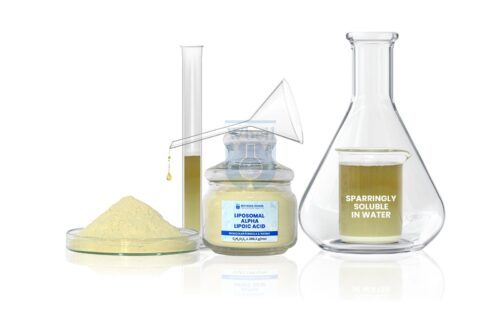
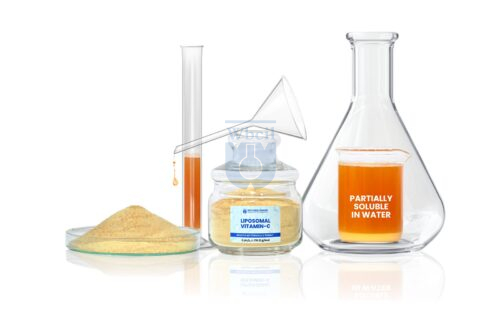
As the market becomes more crowded, WBCIL WHO GMP manufacturing stands as a beacon of trust. We, a 64-year-old API manufacturing company, have launched a nutraceutical brand named Cellular Prime. We have introduced a range of liposomal nutraceuticals incluing liposomal glutathione capsules, liposomal vitamin C capsules and melatonin capsules.
The statistics surrounding liposomal efficacy are compelling. Clinical studies comparing Liposomal Vitamin C to standard high-dose oral ascorbic acid show that liposomal versions can achieve up to 1.77 times higher plasma concentrations. In the case of Glutathione—often called the “Master Antioxidant”—traditional oral forms are almost entirely broken down by enzymes in the gut. However, data indicates that liposomal delivery can increase systemic glutathione levels by over 100% within just 1-2 weeks of consistent use.
For the 2026 American consumer focused on “Biohacking” and performance, these results translate to faster recovery times, enhanced immune resilience, and measurable improvements in oxidative stress markers that traditional supplements simply cannot match.
Conclusion:
The rise of liposomal technology represents the most significant leap in nutritional science for the 2026 American market. By overcoming traditional barriers like low absorption and gastric degradation, brands can finally deliver the cellular-level results that modern “biohackers” and health-conscious consumers demand. WBCIL’s new launched Cellular Prime a prominent liposomal nutraceutical brand is now leading this charge, merging 64 years of pharmaceutical expertise with cutting-edge delivery systems to ensure maximum efficacy.
As the industry moves toward precision health, the focus remains on high-purity, standardized ingredients that offer a measurable impact on wellness. Ultimately, the future of the U.S. supplement market belongs to those who prioritize scientific integrity and superior bioavailability.

While capsules remain popular for precision, gummies, powders, and “melt-away” strips are growing rapidly due to their convenience and taste.
Consumers on GLP-1 medications often face muscle loss and nutrient gaps. Supplements focusing on muscle retention (Leucine/Creatine) and digestive health (Fiber/Probiotics) are specifically targeting this demographic.
The industry has shifted to “Positive Aging” or “Longevity.” The focus is now on healthspan—staying active and mentally sharp—rather than just looking younger.